Ageing Well After 40: Nutrients You Need Every Day
Table of Contents
- Why Nutrition After 40 Matters
- Ingredients Deep Dive: Nutrients Your Body Craves
- Quora QnA Insights: What Experts and Users Say
- Building Your Daily Plate After 40
- How to Read Nutrition Labels After 40
- Daily Hydration: More Important as You Age
- Frequently Asked Questions
Why Nutrition After 40 Matters
Imagine feeling energetic, strong, and healthy as you turn forty and beyond. That’s possible, but only if you pay close attention to what you eat. After 40, your metabolism slows down, muscle mass naturally reduces, and bones may get weaker. You become more vulnerable to health issues like low energy, weak immunity, and joint aches. That’s why getting the right nutrients every day matters so much.
- Protein is needed to protect your muscles.
- Calcium and Vitamin D work together to keep your bones strong[1].
- Vitamin K2 can help your bones stay healthy, even more than calcium alone[6].
- Omega-3 fatty acids, B12, and fiber support your mind, heart, and digestion.
With all the buzz about ai news today and nutrition trends, don’t forget that body basics matter first!
Ingredients Deep Dive: Nutrients Your Body Craves
Let’s explore what’s truly essential after 40, how each helps, and easy ways to add these nutrients to your meals.
1. Protein
- Why needed? Maintains muscles, repairs cells, and supports immunity.
- Sources: Lentils, beans, paneer, eggs, dairy, nuts, seeds, peas, and soy products.
- How much? About 1 gram per kilogram of body weight every day.
Protein is the building block for your body, especially when muscle loss speeds up after 40. Read more in our men’s nutrition guide: Men's Nutrition Needs Balanced Diet.
2. Calcium
- Why needed? Keeps bones and teeth strong, helps nerve and heart function.
- Sources: Dairy, ragi, sesame seeds, almonds, leafy greens, tofu, fortified foods.
- Pair with vitamin D for best absorption.
Calcium alone is not enough—combining it with K2 and vitamin D makes a real difference[6].
3. Vitamin D
- Why needed? Helps the body absorb calcium, strengthens bones, boosts immune system, and regulates mood.
- Sources: Sunlight (15–30 minutes daily), mushrooms, fortified milk, supplements when needed.
- Sunlight alone isn’t always enough, as the body also controls how vitamin D is built up and broken down[1].
Some people need extra support, especially during winter or if you spend little time outdoors[3].
4. Vitamin K2
- Why needed? Vital for moving calcium into bones (not arteries), and protecting against bone loss.
- Sources: Fermented foods (natto, tempeh), cheese, some greens, and supplements.
- Vitamin K2 works best alongside calcium and vitamin D[6].
5. Vitamin B12
- Why needed? Supports brain health, red blood cell formation, improves memory, prevents confusion.
- Sources: Dairy, eggs, fortified cereals, nutritional yeast.
- Vegetarians may need supplements, as B12 from plant sources is limited.
6. Omega-3 Fatty Acids
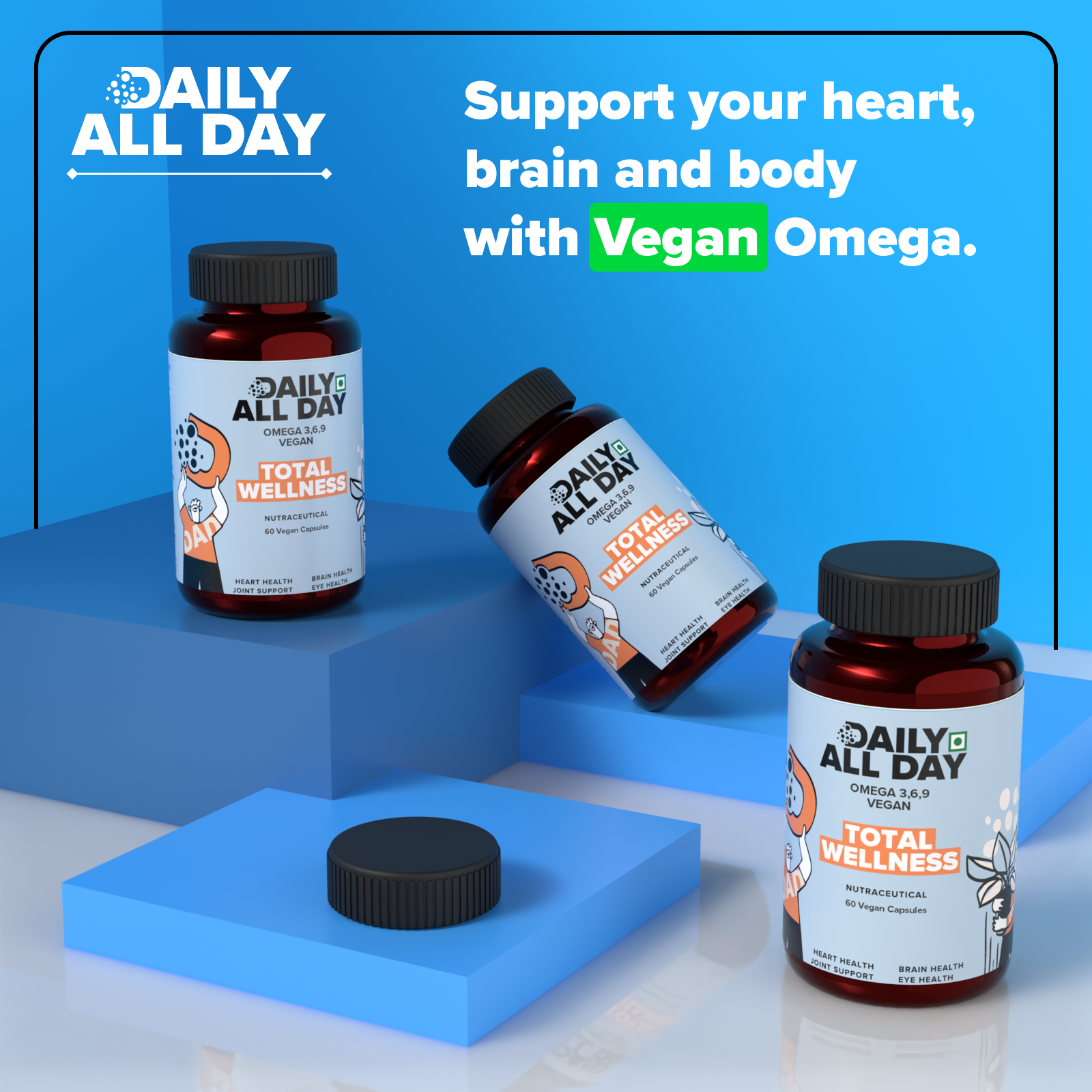
- Why needed? Helps your heart, reduces inflammation, and may protect your mind against ageing.
- Sources: Walnuts, flaxseeds, chia seeds, canola oil, fish oil supplements if needed.
7. Fiber
- Why needed? Keeps digestion smooth, reduces cholesterol, and manages blood sugar.
- Sources: Fruits, vegetables, whole grains, beans, pulses, oats, and seeds.
- Tip: Start slow to avoid stomach problems if adding more fiber.
8. Potassium
- Why needed? Maintains heart rhythm, balances blood pressure, and supports cell functioning.
- Sources: Bananas, spinach, sweet potato, coconut water, beans.
9. Water and Hydration
- Why needed? Keeps you energized, supports all body processes, helps brain and digestion.
- Tip: Drink a glass of water every hour during the day.
- Feeling tired mid-day? Hydration may be the answer. Learn more in Hidden Nutrient Gaps in Everyday Indian Diets.
10. Antioxidants & Micronutrients
- Why needed? Fights cell damage, supports aging, keeps skin and immunity strong.
- Sources: Colorful fruits (berries, oranges, pomegranate), nuts, green leafy veggies.
Want more on micronutrients? Check out Hidden Hunger & Micronutrients in Daily Diets.
Quora QnA Insights: What Experts and Users Say
We found helpful answers from Quora about ageing, food, and nutrients needed after 40:
-
What's the ideal healthy food for people over 40?
- Include protein (meat, fish, dairy, beans, and nuts).
- Carbohydrates from whole grains for steady energy.
- Healthy fats (oils, seeds, nuts).
- Plenty of vitamins, minerals, and water every day.
-
Most important nutrients for healthy aging
- Protein, calcium, vitamin D, potassium, omega-3, fiber, vitamin B12, vitamin E, and water.
- These help bones, immunity, digestion, and energy levels.
-
What should be the nutrient diet for people above 40?
- Focus on the Mediterranean diet: more veggies, fruits, fish, olive oil, seeds, and nuts. Less red meat and processed foods.
-
Which vitamins to watch most?
- Watch for D3, K2, and B12, which often decline as we age.
-
How to start healthy eating in your 40s?
- Eat all food groups (protein, carbs, fats, minerals, and vitamins).
- As you age, appetite and needs may decrease, so focus on quality, not quantity.
Building Your Daily Plate After 40
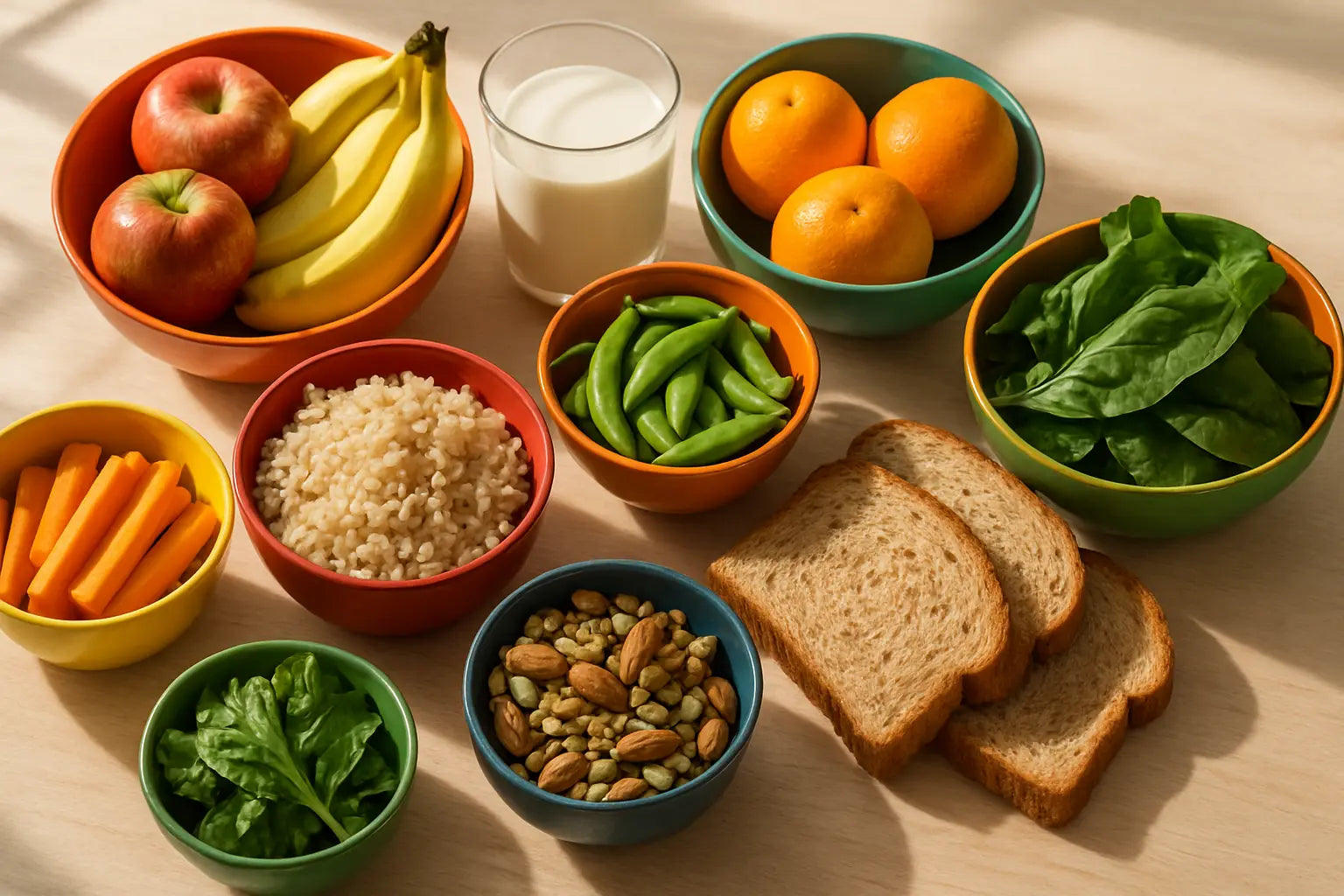
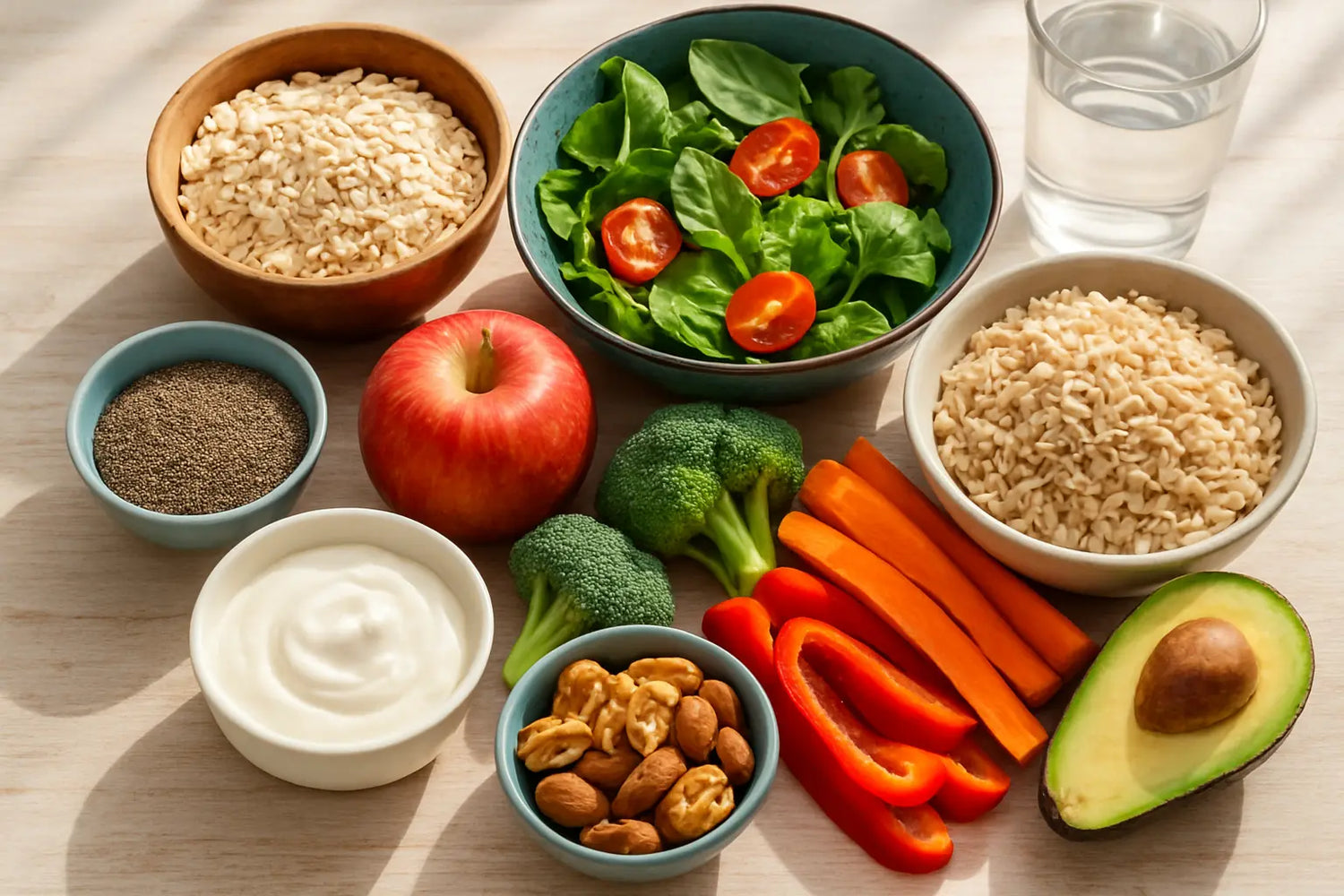
You don’t need a complicated meal plan. Every day should include:
- 1 serving of protein in every main meal (dal, paneer, tofu, eggs, or Greek yogurt)
- 2-3 servings of vegetables (cooked and raw for maximum nutrients)
- 1-2 servings of fruit (colorful for antioxidants and vitamins)
- Mostly whole grains (brown rice, whole wheat roti, millet, oats)
- Handful of nuts or seeds (good fats + minerals)
- A glass of milk, fortified plant milk, or curd daily
- Plenty of water (at least 2 liters/day)
Remember, the Mediterranean or plant-based diet is the gold standard for ageing well, as also suggested in Quora QnA above.
How to Read Nutrition Labels After 40
Many people are curious about how to read nutrition labels:
- Protein: Should be at least 6–10g per serving
- Calcium: 10–20% of daily value per serving is ideal
- Fiber: Choose foods with more than 2–3g per serving
- Sugars and sodium: Less is always better
- Avoid unfamiliar additives or long ingredient lists
Daily Hydration: More Important as You Age
Did you know that feeling tired, confused, or dizzy could simply mean you’re not drinking enough?
- Water helps with digestion, brain function, and keeping skin glowing.
- Natural drinks like coconut water add potassium and minerals.
- Carry a water bottle and remind yourself to sip every 30–60 minutes.
Frequently Asked Questions
-
What is Ashwagandha?
Ashwagandha is an ancient plant used in traditional medicine. It is called an adaptogen, meaning it helps your body deal with stress and supports overall health. -
How does Ashwagandha help with stress?
It helps lower cortisol, the ‘stress hormone,’ and may make you feel less anxious and more calm. -
Is Ashwagandha safe for everyone?
Most healthy people can take Ashwagandha. However, pregnant women and people with thyroid or autoimmune conditions should check with a doctor first. -
Can I get all key nutrients from food only after 40?
You can get most nutrients from a balanced diet, but as you age, it may be difficult to absorb enough vitamin D, B12, or omega-3s, so supplements could help. -
How do I start eating better if I’m not used to healthy foods?
Start small—swap one meal a day for a healthier plate, increase your veggie intake, and drink more water. Stick with easy steps until they become habits. -
Will a daily multivitamin cover my needs?
A regular multivitamin can help with small gaps but won’t replace a diet rich in proteins, vegetables, healthy fats, and whole grains.
Conclusion
Ageing well after 40 is not about making huge or impossible diet changes. It’s about understanding the nutrients your body needs and being mindful of what you eat every day. With more birthdays come new nutritional needs, and focusing on protein, calcium, vitamin D, vitamin K2, omega-3s, fiber, B12, and water can help you keep energy high and health issues far away. [1] [2] [3] [4] [5] [6]
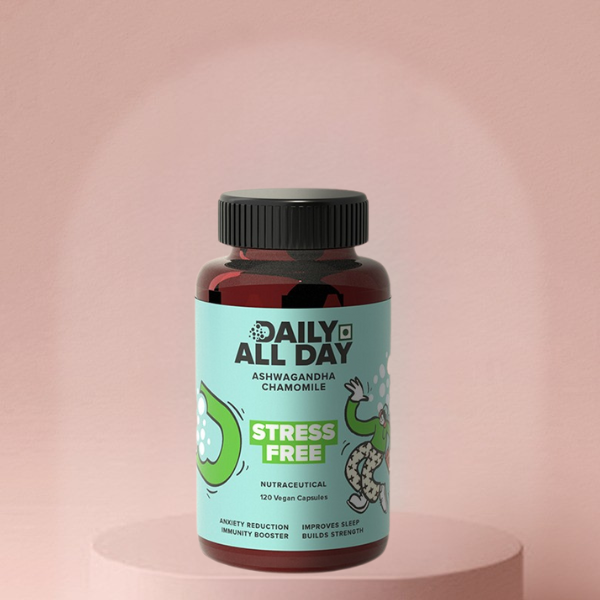
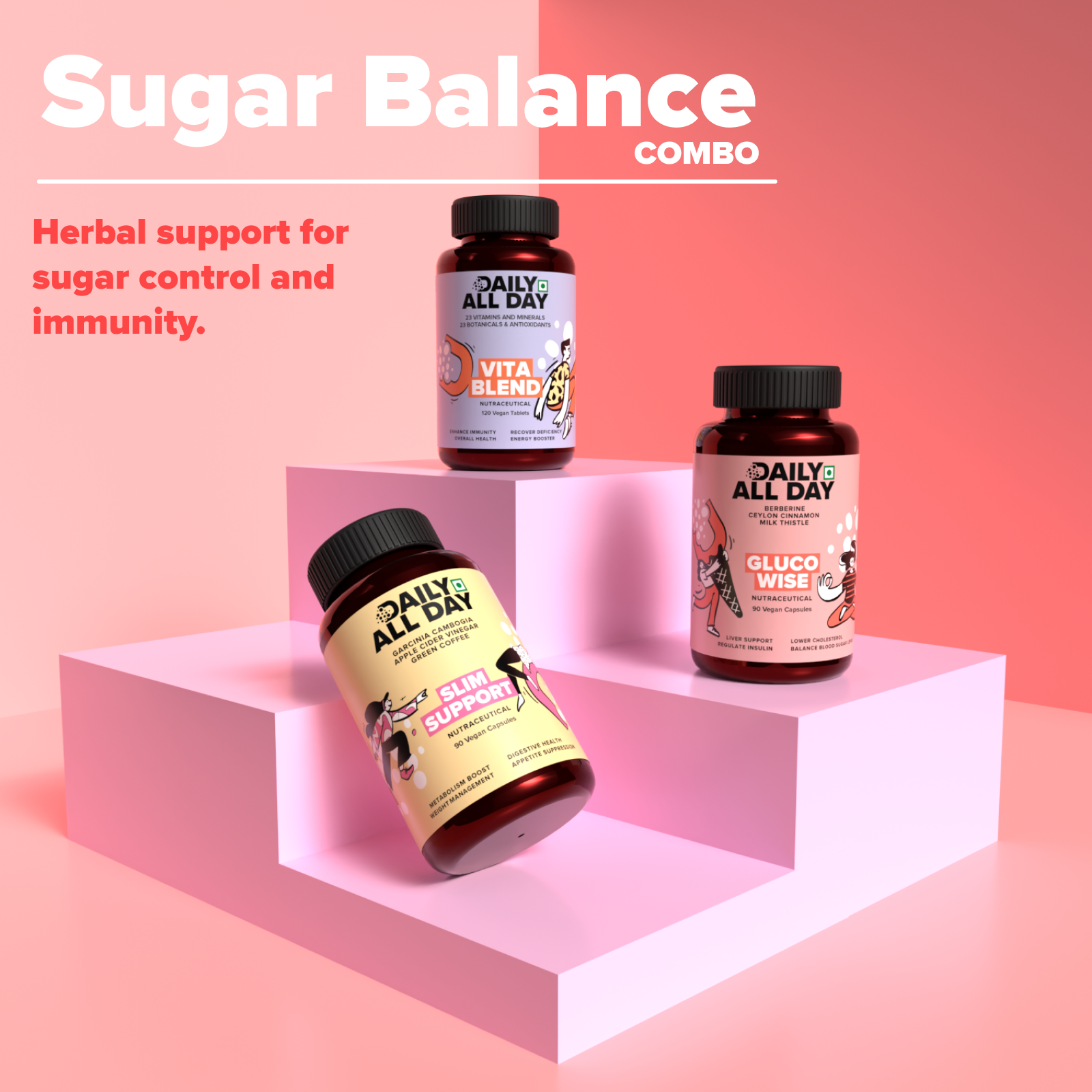
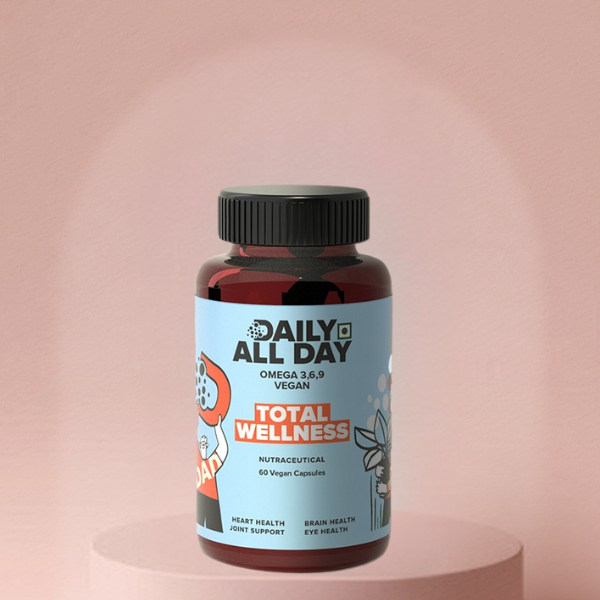
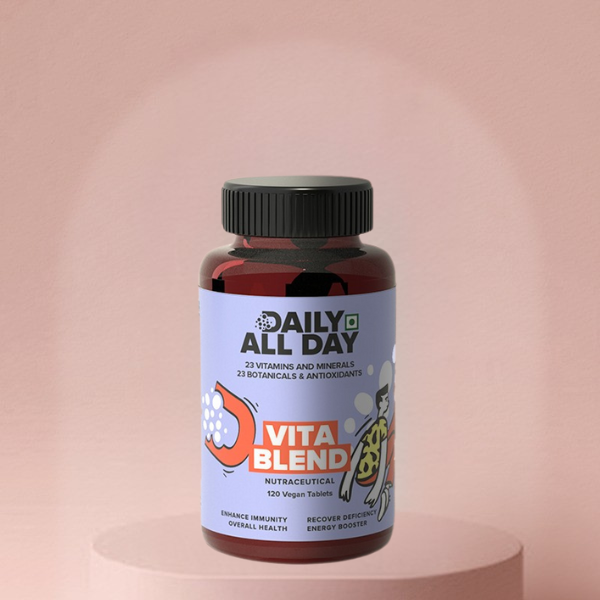
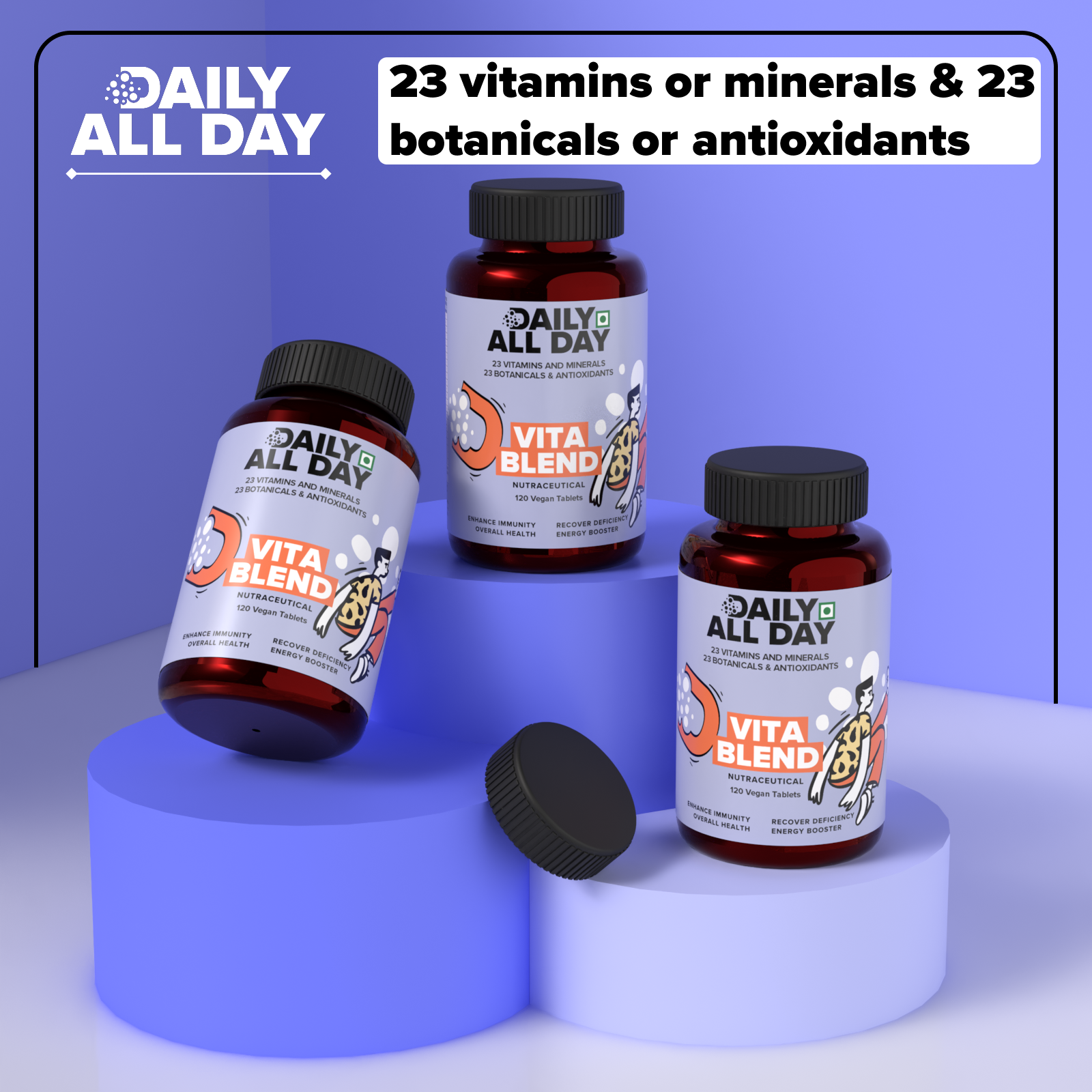
If you are looking to fill the gaps or want targeted support, Daily All Day provides nutritional blends and ingredient-based solutions so you can meet your special needs after 40. Remember, even with the best foods, some nutrients may still be missing, so personalized supplements could be helpful sometimes. Make these small but consistent changes, stay hydrated, and let every decade be full of energy. Keep learning from trusted sources! Want more on protein, women’s daily needs, or bone health? Explore our other blogs:
Make the most of 40 and beyond with the right nutrition for your life, every day!