Can Curcumin Help With Uric Acid Joint Pain in Men?
Share
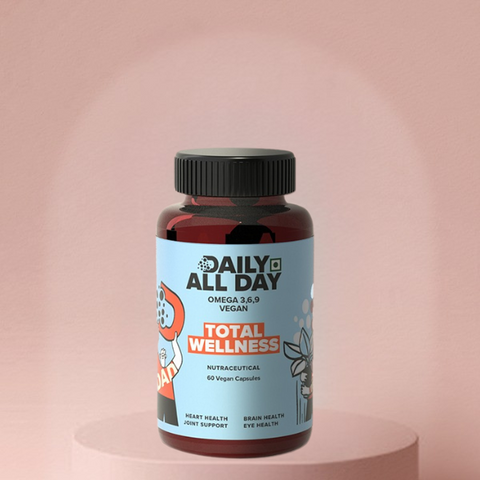
Quick answer: Curcumin, the active compound in turmeric, may help support joint comfort and manage inflammation linked to high uric acid in Indian men by blocking key inflammatory pathways. Daily All Day's Total Wellness Vegan Omega 3 6 9 pairs these benefits with essential fatty acids for broader anti-inflammatory support.
Can Curcumin Help With Uric Acid Joint Pain in Men?
Table of Contents
- A Real Story: The Early Big Toe Warning
- Why Gout Happens: Uric Acid and Indian Lifestyles
- The Science: Uric Acid, Inflammation, and Men's Health
- Joint Care and Omega 3-6-9: Gentle, Daily Support
- Ingredients Deep Dive: How They Help
- Treating Gout and Flare-Ups: Direct Answers
- Managing Gout Through Diet and Lifestyle in India
- Frequently Asked Questions
A Real Story: The Early Big Toe Warning
It's 11 PM after a long client dinner in Bangalore. The biryani was good, the beer flowed, and now Arjun, 35, is waking up at 3 AM with a hot, throbbing big toe. Not the first time this month. His father had gout. His desk job, the late dinners, the weekend drinks — they're all quietly adding up in his blood as uric acid.
Sound familiar? You're not alone. Thousands of Indian men between 30 and 50 are quietly dealing with rising uric acid, morning joint stiffness, and a creeping fear that full-blown gout is just one bad meal away. The good news: there's real science behind curcumin for joint pain and high uric acid in men in India, and acting early makes a genuine difference.
This post fills three specific gaps that almost every article on this topic misses. First, how curcumin interacts with typical Indian meal patterns and staples like dal, ghee, and dahi. Second, who specifically should NOT take curcumin supplements (pregnancy, thyroid medication, BP drugs). Third, what Indian-population data actually says, not just global studies done on Western diets.
Why Gout Happens: Uric Acid and Indian Lifestyles
Gout is driven by hyperuricemia: too much uric acid in the blood forming sharp urate crystals in joints. The big toe is usually the first casualty, but knees and ankles suffer too.
- Purines from red meat, organ meats, certain dals (like masoor and chana in excess), alcohol, and fructose-heavy cold drinks break down into uric acid.
- Stress, poor sleep, and sitting in an AC office for 10 hours daily reduce the kidney's ability to flush uric acid efficiently.
- Men, especially those who are overweight or have metabolic syndrome, carry significantly higher risk. [1]
- Festive eating cycles — think Diwali sweets, Eid biryani, or post-exam celebration meals — often trigger the first noticeable flare in men already borderline high.
How Big Is the Problem in India?
Indian urban men are particularly vulnerable. Sedentary work-from-home routines, late metro dinners, and rising rates of metabolic syndrome have pushed gout from a "rich man's disease" of the past into a genuine public health concern for the 30-50 age group. Studies in Indian clinical populations have consistently found elevated uric acid in men with co-existing obesity and hypertension, two conditions that are rising sharply in tier-1 and tier-2 Indian cities alike.
The Science: Uric Acid, Inflammation, and Men's Health
Here is where most articles stop at "turmeric reduces inflammation" without explaining the mechanism. Let's be more specific.
Curcumin works by inhibiting NF-kB, a key protein that switches on inflammatory genes. It also suppresses COX-2 enzymes , the same pathway that ibuprofen targets, but without the gastric side effects associated with long-term NSAID use. For Indian men managing uric acid, this matters because the inflammation from urate crystals in joints is primarily NF-kB driven.
- A 2022 meta-analysis (L. Zeng et al., cited by 205 studies) covering arthritis patients confirmed that curcumin and Curcuma longa extract showed consistent safety and supported reduction in pain and inflammation severity across multiple trials.
- Tart cherry polyphenols (a related anti-inflammatory compound) reduced both C-reactive protein and serum uric acid by 23-37% in a controlled trial. [2]
- Older Indian adults with elevated uric acid showed higher risk markers for cardiovascular complications and cognitive decline, underscoring why managing uric acid early matters beyond just joint comfort. [3]
- Omega-3 fatty acids contribute by reducing leukotriene B4, another inflammatory mediator active during gout flares. [4]
The science on curcumin for joint pain and high uric acid in men in India is still growing, but the existing evidence for inflammatory support is solid enough to make it a sensible daily addition alongside doctor-supervised care.
One critical gap in most Indian articles: bioavailability. Plain turmeric powder has very poor absorption. Curcumin needs piperine (black pepper extract) to become meaningfully bioavailable. This is why quality matters enormously in a turmeric supplement for uric acid in India.
Joint Care and Omega 3-6-9: Gentle, Daily Support
Daily All Day's Total Wellness Vegan Omega 3 6 9 is designed for exactly this kind of inflammatory lifestyle. It combines essential fatty acids from plant sources, making it a practical omega 3 for gout inflammation in India without requiring fish oil (which many vegetarian and Jain households avoid).
Pairing curcumin with omega 3-6-9 makes practical sense. Curcumin works at the cellular level on inflammatory signalling. Omega-3s reduce the prostaglandins and leukotrienes that amplify joint swelling. Together, they address inflammation from two complementary angles.
Timing with Indian meals matters. This is something almost no article on this topic covers. Both curcumin and omega-3 fatty acids are fat-soluble. This means they absorb significantly better when taken with a fat-containing meal. In an Indian context, that means:
- Take your supplement with lunch (dal-sabzi with a teaspoon of ghee) rather than on an empty stomach first thing in the morning.
- If you have a light breakfast (just chai and toast), taking it then will reduce absorption substantially.
- The traditional practice of adding turmeric to warm milk with ghee at night is not accidental. The ghee genuinely enhances curcumin absorption. Modern supplements replicate this with piperine instead.
- Dahi (curd) at lunch also contains fat , a perfectly reasonable meal pairing.
For more on how joint supplements pair with Indian diet and activity patterns, read our guide on curcumin for knee pain in runners.
Try Total Wellness- Vegan Omega 3 6 9 →Ingredients Deep Dive: How They Help
What Goes Into Effective Ayurvedic Joint Care for Early Gout Symptoms
- Turmeric Root Extract (345mg per capsule): Traditionally used in Ayurveda for centuries as a Vata-Kapha pacifier, it contains curcuminoids that support the body's natural inflammatory response. Traditional Ayurvedic use frames this as Haridra, one of the most researched herbs in modern phytotherapy.
- Curcumin (95% Curcuminoids, 150mg): The concentrated active fraction. At 95% standardisation, this is many times more potent than raw turmeric powder. This is the key ingredient in curcumin for joint pain and high uric acid in men in India discussions.
- Boswellia Serrata (Shallaki, 100mg): Another Ayurvedic classic. Shallaki inhibits 5-lipoxygenase, an enzyme linked to joint cartilage breakdown. Useful for both inflammatory and degenerative joint concerns.
- Black Pepper Piperine (5mg): Increases curcumin bioavailability by up to 2000% according to widely cited pharmacokinetic research. Without this, most curcumin passes through unabsorbed.
- Plant-Based Capsules: No gelatin. Suitable for vegetarians and vegans. Relevant for a large portion of the Indian market.
What This Combination Supports
- Everyday joint comfort in knees, toes, and ankles
- A healthy inflammatory response after physical activity or dietary triggers
- Cartilage integrity over time with consistent use
- Muscle and ligament recovery after exertion
Omega 3 for gout inflammation in India is particularly relevant for men who don't regularly eat fatty fish, flaxseeds, or walnuts. The vegan omega 3-6-9 formulation fills that gap cleanly. [5]
Treating Gout and Flare-Ups: Direct Answers
If you're in the middle of a flare, supplements are not your first line. Here is a clear, practical breakdown:
- For acute gout attacks, doctor-prescribed medications like colchicine or short-course NSAIDs are the standard approach. Do not delay seeing a doctor.
- For big toe pain specifically: rest and elevate, apply ice (not heat during acute flare), hydrate aggressively, and avoid the dietary triggers that brought it on.
- The Arthritis Foundation's guidance on supplements notes that curcumin and omega-3s may support long-term inflammation management, but are not substitutes for acute flare treatment.
- Supplements work best as a consistent, daily strategy between flares, not as an emergency rescue during one.
Also worth reading for Indian families concerned about joint health in younger members: early knee niggles in overweight teens and joint mobility support.
Managing Gout Through Diet and Lifestyle in India
Diet is where Indian men have the most immediate control. A few targeted changes make a real difference.
Indian Diet Changes That Actually Help
- Reduce high-purine foods: red meat, mutton, organ meats (liver, kidney), prawns, and sardines. These are common in North and coastal Indian diets.
- Limit fructose. Packaged juices and cold drinks are a bigger culprit than most people realise, more so than dal.
- Most regular dals (moong, toor, masoor) in moderate amounts are fine. Don't cut them entirely , they are your protein base.
- Increase amla, cherries, and citrus. Vitamin C has modest evidence for supporting uric acid excretion.
- Ghee in small amounts is not the enemy. As noted above, it actually helps fat-soluble supplements like curcumin absorb better.
- Hydrate well. Eight to ten glasses of water daily helps kidneys flush uric acid. In monsoon months when you sweat less, this becomes even more important to maintain consciously.
- Seasonal note: in peak Indian summer (April to June), dehydration risk rises sharply, which can concentrate uric acid in blood. Increase water intake proactively during these months.
30 / 60 / 90 Day Support Timeline
Here is a realistic picture of what consistent supplementation alongside diet changes may look like. These are not medical predictions. Individual results vary.
30 days: Most users notice reduced morning stiffness and slightly less joint discomfort after meals. Sleep quality often improves because inflammation-related discomfort settles down. Digestive adjustment to omega-3s typically completes by week two.
60 days: Anti-inflammatory support from curcumin builds gradually. Many men report better post-exercise recovery and less knee discomfort after long commutes or stair climbing. This is also when dietary changes begin to show measurable impact on energy levels.
90 days: With consistent use, curcumin for joint pain and high uric acid in men in India typically shows its most meaningful results at this point. Joint flexibility improves. Some users report that their follow-up uric acid checks show values moving toward the normal range, particularly when diet changes have been maintained. Always confirm with your doctor before adjusting any prescribed medication.
Frequently Asked Questions
Should I take curcumin supplement before or after Indian meals, and does it matter?
Yes, it matters quite a bit. Curcumin is fat-soluble, meaning it absorbs poorly on an empty stomach. Take it with your main meal of the day, ideally lunch or dinner, where there is some fat present. Dal with ghee, sabzi cooked in oil, or dahi at the side all work. Avoid taking it with plain chai or a dry snack , you'll get a fraction of the benefit. This timing tip is almost never mentioned in standard articles on turmeric supplements for uric acid in India.
I take thyroid medication (levothyroxine) or blood pressure tablets. Is curcumin safe to combine?
This is a genuine concern for many Indian men over 35, since hypothyroidism and hypertension are increasingly common in urban India. Curcumin at supplement doses may interact with blood-thinning medications and could potentially affect how some thyroid medications absorb. If you are on levothyroxine, it is advisable to take your thyroid medication on an empty stomach in the morning and your curcumin supplement separately at lunch, maintaining at least a 3-4 hour gap. For BP medications like amlodipine or atenolol, current evidence does not show direct interaction, but checking with your cardiologist or GP before starting is strongly recommended. Never adjust your prescription medication based on supplement use.
Is this an FSSAI product or an AYUSH-licensed medicine? Does it matter which one I buy?
This confuses a lot of Indian buyers. FSSAI-registered supplements (like Daily All Day products) are regulated as food/nutraceutical products. They support general wellness but cannot legally claim to treat or prevent any disease. AYUSH-licensed products are regulated as traditional medicines under the Ministry of AYUSH and carry stricter manufacturing standards tied to classical formulations. Neither is "better" across the board , it depends on what you need. For daily nutritional support of joint health and inflammation, an FSSAI-compliant supplement with lab-tested, standardised ingredients is appropriate and legal. If you have a diagnosed condition, your doctor may recommend an AYUSH-licensed formulation or a pharmaceutical option alongside. Do not confuse marketing claims with regulatory status when buying online.
Does curcumin for uric acid joint pain work differently in summer vs. monsoon in India?
Seasonality genuinely affects uric acid levels, though most articles ignore this. In Indian summer months (April to June), dehydration is a key trigger , concentrated blood means higher uric acid per unit volume. During this period, both hydration and anti-inflammatory support become more important. In monsoon months, the humidity and reduced outdoor activity (less walking, more sitting indoors) can aggravate joint stiffness, particularly in knees. Classic Ayurvedic seasonal frameworks (ritucharya) acknowledge this Vata aggravation in the rainy season. Maintaining your supplement routine consistently through both seasons, rather than starting and stopping, gives better results than seasonal bursts.
Who should NOT take curcumin or omega 3-6-9 supplements?
Several groups should consult a registered doctor or qualified Ayurvedic practitioner before starting. Pregnant women and those who are nursing should not take these supplements without medical supervision , curcumin in supplement doses (not culinary turmeric amounts) has not been established as safe in pregnancy. Anyone scheduled for surgery should stop curcumin at least two weeks beforehand, as it may affect platelet function. People on prescription blood thinners (warfarin, aspirin in therapeutic doses) need physician clearance. Those with active gallstones or bile duct obstruction should avoid curcumin supplements as they can stimulate bile production. Children under 12 should not use adult supplement formulations.
Can I use these supplements instead of allopurinol if my uric acid is high?
No. Allopurinol is a prescription urate-lowering therapy. It works by inhibiting xanthine oxidase, directly reducing uric acid production. Curcumin and omega-3s support a healthy inflammatory response and general wellness , they do not lower uric acid through the same mechanism and are not substitutes for prescribed urate-lowering therapy. Think of them as supportive additions to a broader strategy, not replacements. If your doctor has prescribed allopurinol, take it as directed and discuss adding supplements separately. Never stop prescription medication to try a supplement instead.