Table of Contents
- A Real Story: The IT Professional’s Daily Hustle
- Why Does Daily Nutrition Matter for Working Professionals?
- Ingredients Deep Dive: What to Put on Your Plate
- The Ideal Daily Routine: QnA Wisdom from Quora
- Science-Backed Benefits: What Research Tells Us
- Smart Snacking for the Office
- Frequently Asked Questions
A Real Story: The IT Professional’s Daily Hustle
Sneha, an IT manager working 10+ hours a day, often felt tired before lunchtime. Her solution? She switched from random snacking to a balanced diet—adding more complex carbohydrates, eggs, and seasonal fruits like bananas and mangoes. Quickly, she noticed more sustained energy throughout her day.
Why Does Daily Nutrition Matter for Working Professionals?
- Busy professionals often skip meals, snack on junk, or rely on caffeine. This leads to poor concentration, midday fatigue, and long-term health issues.
- Your brain and muscles both need smart fuel, not just calories.
- Food isn’t just energy; it’s also how your body recovers, builds, and fights daily stress[2].
- Summer food choices and hydration, such as watermelon and fresh salads, can help you feel more alert.
Ingredients Deep Dive: What to Put on Your Plate
Understanding what goes into your food can transform your health and energy. Let’s break down the best options for busy office goers:
1. Carbohydrates: More Than Just Energy
- Complex carbs from brown rice, oats, potatoes, or whole wheat are slow to digest, providing steady energy and preventing that post-lunch crash.
- Learn more about carbs and the balanced diet.
- Potato nutrition: Potatoes give both carbs and potassium, helping in nerve and muscle function.
- Green peas nutrition: High in fiber, protein, and micronutrients.
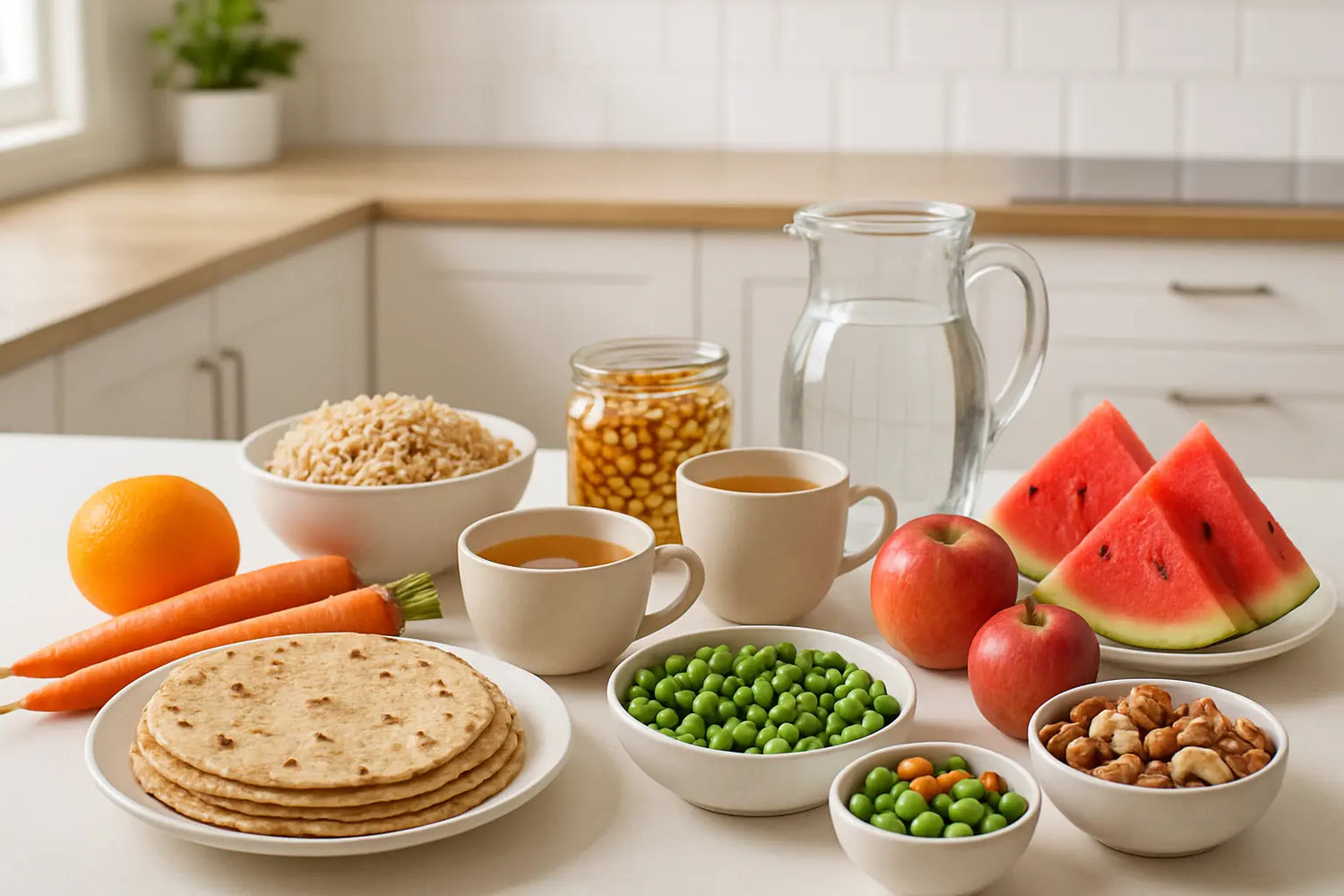
- Foods rich in carbohydrates: Rice, bananas, whole wheat, chana (chickpeas), peas, apples, carrots.
2. Protein: For Muscle and Mind
- Eggs: Egg nutrition facts show that eggs are high in protein (5 egg whites give about 15 grams of protein), vitamin B12, and choline—great for brain health.
- Chana protein per 100g is roughly 19g—great for vegetarians.
- 100 gm chicken protein: ~27g (for those who eat chicken).
- Apple nutrition: While apples are not high in protein (1 apple protein ≈ 0.5g), they’re full of fiber and vitamins—a great snack!
- Pulses and sprouts: Budget-friendly and packed with protein.
3. Healthy Fats: Fuel Your Brain
- Avocado, nuts like almonds, walnuts, and seeds provide omega fatty acids, supporting brain function.
- Plant-based oils (olive, mustard, groundnut) help you absorb vitamins like A, D, E, and K.
4. Fiber and Superfoods
- Fiber from whole grains, pulses, greens, and fruits keeps digestion smooth and helps fight tiredness.
- Nutritional value of mushrooms: Mushrooms are rich in B vitamins, selenium, and antioxidants, supporting your immune system.
- Carrots nutrition: High in beta-carotene, which supports your eyes and skin.
- Banana nutrition facts: Bananas are loaded with potassium, vitamin C and natural sugar—making them a great mid-morning snack.
5. Hydration: The Secret to Staying Sharp
- Dehydration can make you feel tired and affect memory or focus. Water, coconut water, and fruits like watermelon are essential for peak performance.
- Watermelon nutrition: Over 90% water, with vitamin C and antioxidants. A go-to in Indian summer food for fighting fatigue.
6. Antioxidants and Plant Bioactives
- Red seaweed extracts and plant seeds like Citrullus colocynthis are being studied for their immune and antioxidant benefits for busy people.[1] [5]
- These bioactives support cell health and can help offset some stress effects from long work hours.
- Polyphenols, flavonoids, plant antioxidants (in fruits and many seeds) may help with brain fatigue and overall immunity.
7. Food Storage and Bioavailability
- Storage can impact the nutritional value of foods, especially ingredients like nuts and seeds. Keeping them at cooler temperatures can preserve their health benefits[3].
- Modern techniques use encapsulation or natural ways to keep nutrients stable in products.
The Ideal Daily Routine: QnA Wisdom from Quora
Curious how real professionals keep nutrition simple? Here’s what trending Quora answers suggest:
- Start with a large breakfast: Oats, eggs, fruit, and nuts. This provides much-needed energy to kick off your workday and avoids heavy cravings later.
- Focus on 3–4 meals only: Large breakfast, sandwich/fruit for lunch, and a protein-rich dinner. Avoid constant snacking.
- Snack thoughtfully: Carrots, plain yogurt, a handful of almonds, or a banana. Minimize sweets and fried foods.
- Go 90% plant-based when possible: Best for energy, digestion, and steady weight. Add a multivitamin for B12 if needed.
- Choose high-fiber, high-carb meals: Chana, peas, dal, seasonal fruits, and rotis.
Science-Backed Benefits: What Research Tells Us
- Red seaweed is being studied for its immunity and energy-boosting compounds, which can help busy professionals fight stress and minor infections[1].
- Plant extracts such as those from Aegiceras corniculatum defend against cell stress, supporting brain and nerve health[2].
- Proper storage preserves nutrient power—cold, dark, airtight is best for nuts, seeds, and oils[3].
- Micelles: New ways of protecting plant antioxidants allow your body to absorb them better[4].
- Seeds like Citrullus colocynthis deliver powerful antioxidants which help your body fight the side effects of long-term stress and poor sleep[5].
- Explore more about nutrition for longevity here.
Smart Snacking for the Office
- Eat fruit (apples, bananas, oranges).
- Have nuts or roasted chana handy.
- Try low-fat yogurt, salads, or raw carrots.
- Avoid sugary, greasy, or ultra-processed snacks; choose nutrition over empty calories.
- Hydrate more: Always keep a water bottle at your desk.
Frequently Asked Questions
-
What is Ashwagandha?
Ashwagandha is an ancient adaptogenic herb, often used to lower stress and help with energy and mental balance. -
How does Ashwagandha help with stress?
It reduces cortisol (a stress hormone) and supports calmness, focus, and energy. -
Is Ashwagandha safe for everyone?
For most people, yes, but it should be avoided by pregnant women or those with specific medical conditions (consult a doctor). -
How do I read nutrition labels for busy professionals?
Look for high protein, fiber, and vitamin content, and avoid high added sugar and unhealthy fats. Choose foods that list real, whole ingredients. -
How much water should I drink daily at work?
Aim for at least 8–10 glasses (about 2–2.5 liters). Drink more if you are active or it’s hot.
Want to dig deeper into ingredient power, micronutrient gaps, and fatigue solutions? Visit related topics on Daily All Day: Fatigue & Deficiency, Nutrition After 40, and Balanced Diet at Home.
For working professionals, achieving daily nutrition is not only about eating more, but eating smart. Prioritizing a balanced diet with foods high in complex carbohydrates, quality proteins, good fats, and plenty of fiber helps fuel your body and mind for busy, stressful days. Including plant-based choices, antioxidant-rich vegetables and fruits, and even bioactives from sources like red seaweed or seeds can play a key role in supporting immunity, energy, and resilience against stress-induced fatigue. Managing snacking, staying hydrated, and keeping meals regular helps your body maintain rhythm and perform at its best. Products from Daily All Day focus on supporting these needs with clean, potent, plant-forward ingredients, helping bridge any nutritional gaps. Remember, your well-being is an investment in your productivity and happiness—making smart choices today will pay dividends down the road.
- Daily All Day blogs offer more on balanced diets at home, combatting fatigue, and ageing well with nutrition.
- Explore the health benefits of bioactives and antioxidants in studies such as red seaweed’s immune support ([1]) and the powerful anti-fatigue potential of plant extracts ([2]).
- Always pay attention to food storage and preparation to preserve nutrients as research shows ([3]).
- If you seek to strengthen your immune system or reduce fatigue, consider evidence-based dietary upgrades supported by the latest research ([4], [5]).