Table of Contents
- Why Coastal India Diets Matter: Flavor Meets Nutrition
- Ingredient Deep Dive: The Mineral Powerhouses
- Traditional Cooking: Keeping the Minerals Locked In
- Nature’s Role: Blue Carbon, Mangroves, and Seagrass
- Modern Balance: Daily All Day Sea Buckthorn Juice
- Coastal Diets & Indian Nutrition: Real Q&A from Quora
- Frequently Asked Questions
Why Coastal India Diets Matter: Flavor Meets Nutrition
When you stroll along the Indian coast, the air brims with the scent of spicy curries and grilled fish. But these meals are more than tasty—they’re key to a natural mineral balance. Coastal Indian diets have long relied on the ocean’s bounty: fresh fish, bivalves (like clams and mussels), and an emerging star—seaweed. Thanks to these foods, people in these regions often enjoy high intakes of essential minerals like iodine, calcium, and iron, all crucial for health and development. Maintaining this mineral balance is not just tradition, but a foundation for energy, strong bones, glowing skin, and lifelong wellness.
Ingredient Deep Dive: The Mineral Powerhouses
1. Seafood: The Essential Source
-
Protein Galore: Fish like Indian mackerel and sardine are staples in coastal diets, providing lean protein for muscle strength, growth, and repair.
— Indian mackerel (Rastrelliger kanagurta): About 140 µg iodine/100g
— Anchovy (Stolephorus commersonii): Around 80 µg iodine/100g [GeoJournal] - Calcium Champions: Some fish provide even more calcium than most dairy foods! Torpedo scad gives up to 670 mg calcium/100g, supporting strong teeth and bones.
- Fatty Acids for Heart & Brain: Anchovies, sardines, mackerel—rich in omega-3s—help your heart and sharpen your mind [1].
2. Bivalves: Ocean’s Superfoods
- Clams, oysters, mussels—these are packed with protein and full of iron, zinc, and selenium.
- These "blue foods" have been linked to a 20–30% lower risk of major heart problems and stroke.
- They are also excellent for vitamin B12, a nutrient that helps keep your blood and nerves healthy [1].
3. Seaweeds: The Future of Mineral Nutrition
- Sea lettuce (Ulva lactuca) and other native seaweeds are now appearing in cooking, granting calcium, magnesium, and even iron in one serving.
- Just 8 grams of some seaweeds offer about 37% of your daily calcium needs.
- Adding seaweed boosts bone health and helps prevent mineral deficiencies [2].
4. Spices & Veggies: Keeping the Balance
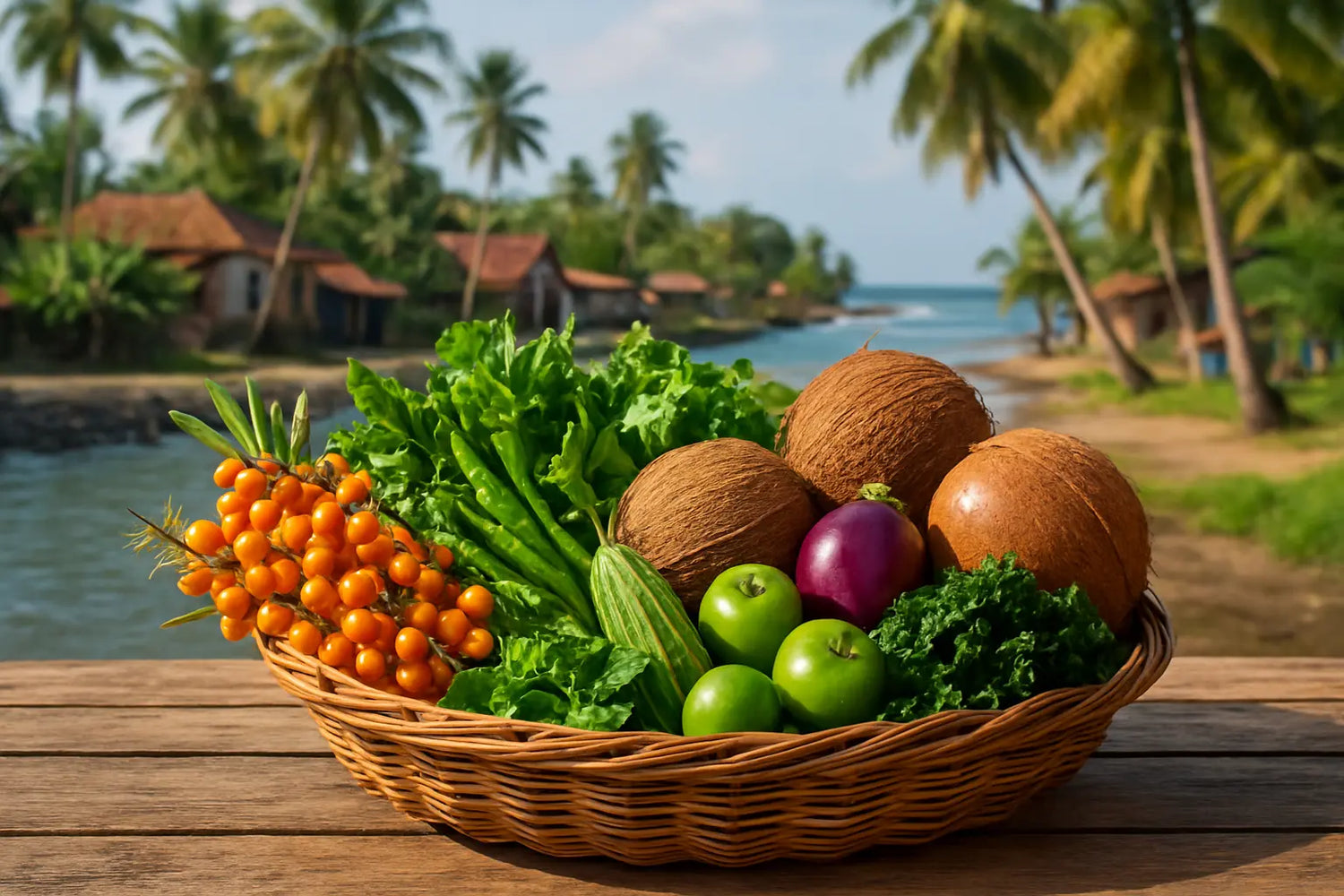
- Coastal dishes are never dull—they’re loaded with ginger, garlic, turmeric, and fresh vegetables. These don’t just add taste; they help with digestion and bring vitamins and fiber for gut health. Interested in Indian digestive health? Check out our Indian gut health digest for more tips.
- Fresh fruits like coconut and mango are also rich in electrolytes and antioxidants.
5. Natural Ecosystem Nutrition
- Seagrass and mangroves not only support marine life but help maintain water quality, indirectly improving the mineral availability of local foods [1] [2].
Traditional Cooking: Keeping the Minerals Locked In
- Most seafood is steamed, roasted, or lightly grilled. This keeps minerals intact, unlike frying or boiling, where some nutrients are lost [1].
- Spices in curries enhance absorption—turmeric helps the body use minerals better.
- Examples: Kori Gassi (Coastal Karnataka), Solkadhi (Maharashtra), and Fish Curry from Kerala are classic recipes that combine proteins, good fats, and minerals.
- Emphasis on simple, home-cooked meals—a foundation for total wellness (Read about balanced home-cooked Indian meals).
Nature’s Role: Blue Carbon, Mangroves, and Seagrass
Healthy marine ecosystems, such as mangroves and seagrass beds, help coastal diets by:
- Supplying diverse fish and bivalves
- Enhancing local mineral content by supporting species with rich nutritional profiles
- Buffering against pollution, helping preserve food quality
- Sequestering carbon—making coasts more resilient to climate change [1] [2]
But, be aware: Overfishing or water pollution disrupts these natural mineral cycles. Land changes, like aquaculture and ground compaction, can also affect groundwater iodine and mineral balance [5].
Modern Balance: Daily All Day Sea Buckthorn Juice
To enhance traditional diets or fill any gaps, Daily All Day offers Sea Buckthorn Juice:
- Key Nutrients: Rich in Omega 3, 6, 9, and rare Omega 7, Vitamin C, E, flavonoids, carotenoids.
-
Main Benefits:
- Boosts skin glow and hair strength
- Supports immunity and fights oxidative stress
- Helps heart and digestive health
- Improves hydration, even for sensitive skin
- All-natural, plant-based, and lab-tested
- How to Consume: Mix 3 spoons in a glass of water, twice daily (not on empty stomach). For best results, use 6–8 weeks.
Want to learn about other dietary supports? Explore: Daily nutrients for health after 40 or key nutrients for women!
Coastal Diets & Indian Nutrition: Real Q&A from Quora
- How healthy is a typical North Indian diet? — Many North Indian diets focus more on vegetables and dairy, but can lack the rich mineral diversity of coastal seafood. Read more.
- What do the diets of Northern vs Southern Indians tell us about health? — South and coastal Indians are often non-vegetarian, with fish as a major part of meals—giving regular boosts of iodine and good fats. North Indians are mostly vegetarian and may miss out on certain minerals found in marine foods. Details here.
- Is the Indian diet healthy? — In all regions, balance is key: proteins, carbs, fats, vitamins, and minerals need to be present. Coastal diets ensure mineral intake thanks to seafood variety. Find out more.
- Common Indian foods assumed healthy? — Rice, dal, and veggies in Indian meals provide carbs, proteins, fibre, and minerals. But in coastal areas, adding fish, seaweed, and shellfish brings in minerals like iodine and calcium, setting these diets apart. See the full answer.
Frequently Asked Questions
-
What is Ashwagandha?
Ashwagandha is an adaptogenic herb used in traditional Indian medicine, especially for reducing stress and boosting overall health. Want to read more? Check how Himalayan herbs support immunity. -
How does Ashwagandha help with stress?
It helps lower cortisol (the stress hormone) and promotes a sense of calm and emotional balance. -
Is Ashwagandha safe for everyone?
Though usually safe, it should be avoided during pregnancy or for anyone with certain health conditions. Always check with your doctor. -
What are the top minerals coastal diets provide?
Iodine (for thyroid function), calcium (bone health), iron (energy), zinc (immunity), selenium (antioxidant power), and omega-3 fatty acids (heart, brain) are all found in coastal foods [1] [2]. -
Can I get all needed minerals from vegetarian coastal meals?
Yes, but you’d need to emphasize seaweed, certain pulses, and fortified foods to match the iodine, calcium, and iron levels found in seafood. Consider supplementing with products like Daily All Day Sea Buckthorn Juice for that extra boost.
Coastal India diets are a treasure chest of natural minerals, thanks to the abundant seafood, bivalves, and even emerging superfoods like seaweed. These local foods not only bring unique flavors but also ensure essential nutrients like iodine, calcium, iron, and omega fatty acids are part of everyday meals. Cooking styles such as steaming, roasting, and grilling help maintain these nutrients for better health. Healthy ecosystems like seagrass and mangroves even contribute by nourishing food chains and naturally balancing mineral content in coastal environments, keeping the benefits flowing from nature to plate [1].
For those seeking a modern boost, Daily All Day's Sea Buckthorn Juice directly supports skin, heart, and immune health, leveraging nature's best—packed with vitamin C, E, Omega 3, 6, 9, and the unique Omega 7. This juice fits into the time-tested tradition of mineral-rich diets for improved wellbeing.
To maximize the mineral balance, combine traditional coastal foods with functional products like Sea Buckthorn Juice and balanced herbal blends. Together, this approach supports glowing skin, sharp brain function, and overall resilience in a natural, simple way.
- Explore more on Ayurvedic gut health and Ayurvedic body types to see how regional diets fit your wellness journey!