South Indian Food Wisdom: Why Fermented Foods Are Gut-Friendly
Table of Contents
- What Makes Fermented Foods So Gut-Friendly?
- South Indian Fermented Superstars
- Ingredient Deep Dive: The Heroes in Everyday Fermented Foods
- Modern Science Meets Tradition: What Research Says
- Top Benefits of Fermented Foods
- How Daily All Day Products Can Help
- Your Questions Answered: Ouora QnA Highlights
- Frequently Asked Questions
What Makes Fermented Foods So Gut-Friendly?
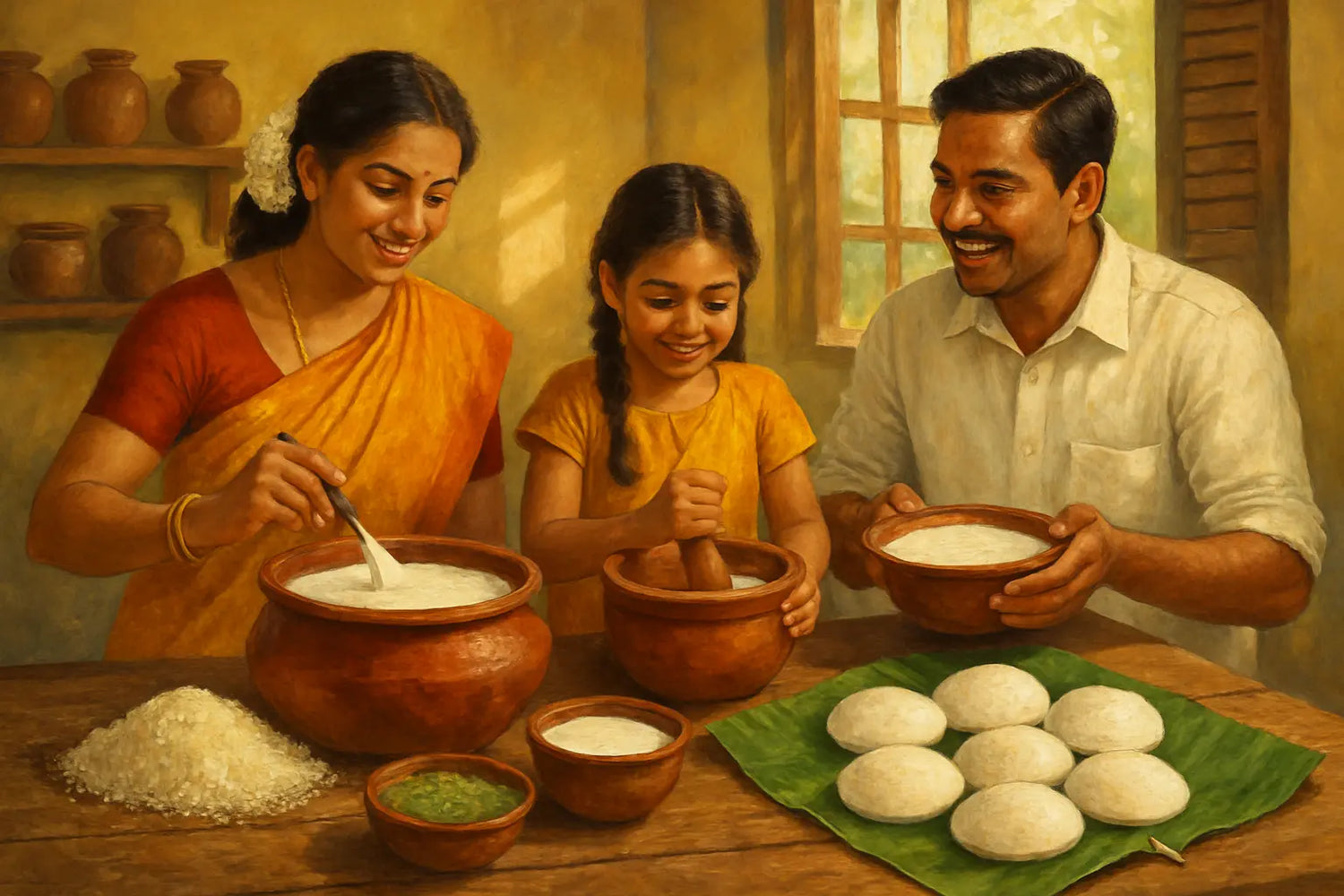
Fermentation is an age-old method where micro-organisms like lactic acid bacteria or yeast break down food components. This process makes foods easier to digest and increases their nutrient value. South Indian dishes like idli, dosa, and even buttermilk are full of fermented goodness.
- Fermented foods contain probiotics (good bacteria) that keep your digestive system healthy and your belly happy.
- They help balance the good and bad bacteria in your gut, which is important for digestion and immunity.
- Fermentation also makes grains and pulses easier to digest and increases their protein quality.
- Adding sambar, chutney, or raw veggies gives even more fiber and nutrition.
Why is this important?
Modern research highlights the role of gut bacteria in immune health, energy, even your mood [1]!
South Indian Fermented Superstars
- Idli: Soft, fluffy steamed cakes made from fermented rice and urad dal.
- Dosa: Thin, crispy crepes—made from the same batter as idli but cooked differently.
- Uttapam: Thick, savory pancakes with toppings like onions and tomatoes.
- Curd (Dahi): Indian yogurt, an easy probiotic food easily made at home.
- Buttermilk (Neer Mor): A soothing, cooling summer drink.
- Paniyaram, Appam, and more: Each brings its own flavor and gut friendliness.
Not Just South India!
Dhokla (from Gujarat), fermented onion, and drinks like kombucha and kefir are gaining worldwide fame.
Ingredient Deep Dive: The Heroes in Everyday Fermented Foods
1. Urad Dal & Rice (Idli/Dosa)
- Rich in protein (urad dal) and carbs (rice).
- Fermentation boosts B-vitamins, protein quality, and helps break down anti-nutrients.
- Contains lactic acid bacteria, vital for your gut [2].
2. Dahi (Curd/Yogurt)
- High in live cultures (Lactobacillus, Streptococcus, Bifidobacterium).
- Helps digest milk sugars (lactose) and improves immunity.
- Perfect for sensitive tummies and for balancing gut flora.
3. Chutneys & Side Sauces
- Usually made fresh with herbs like avaram poo and digestive greens.
- Boost flavor, add more fiber, and support a more diverse gut bacteria environment.
4. Buttermilk & Other Fermented Drinks
- Cools the stomach after spicy foods.
- Light and hydrating; supports digestion and contains helpful bacteria, much like kombucha or fermented pineapple drinks.
Modern Science Meets Tradition: What the Latest Research Says
- Modern studies prove that lactic acid bacteria in fermented Indian foods reinforce the gut barrier, regulate immunity, and have anti-inflammatory and antioxidant properties [1].
- Research shows that a steady, regular consumption of a select few fermented foods (like idli/dosa and curd) is more gut-friendly than eating a wide random variety [3].
- Fermented foods are rich in postbiotics which also support gut and immune health.
- LAB (lactic acid bacteria) can be traced in both traditional and modern foods, from sauerkraut to idli to yogurt [2].
- Fermented milk products carry unique umami peptides, enhancing flavor and dietary satisfaction [4].
Top Benefits of Fermented Foods
- Easier Digestion: Enzymes break down food, reducing bloating and stomach discomfort.
- Boosted Immunity: Stronger gut means better resistance to illnesses [1].
- Reduced Food Allergies: By balancing gut bacteria and promoting better breakdown of food components.
- More Energy: Improved absorption of nutrients means you feel energetic all day [5].
- Good Mood: The gut-brain connection is real! A healthy gut can boost your mood and calm your mind [3].
- Better Taste and Aroma: Umami peptides in fermented foods add wonderful flavor to your meals [4].
How Daily All Day Products Can Help
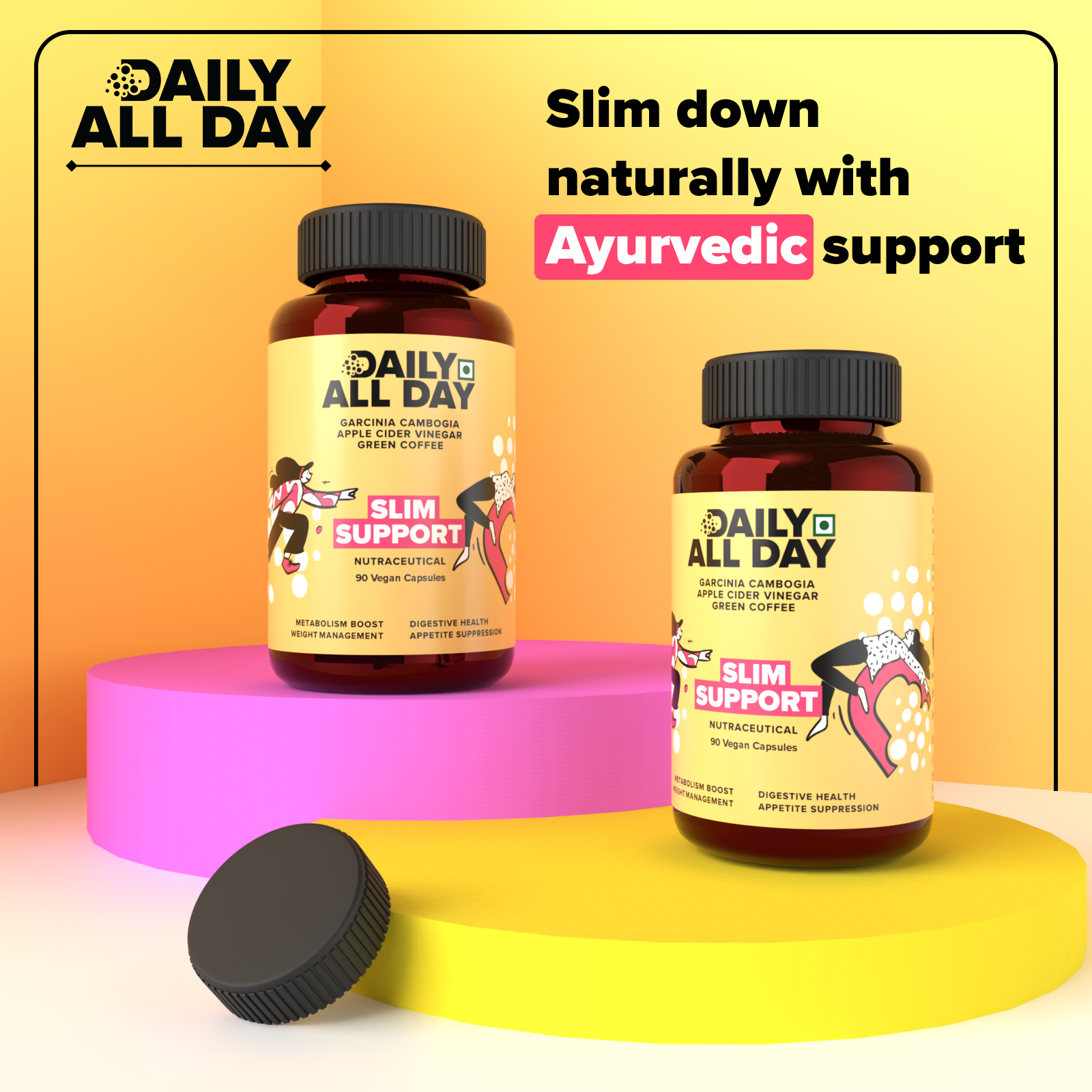
Pairing your everyday fermented foods with Daily All Day Slim Support Capsules and Daily All Day Sea Buckthorn Juice can elevate your gut health journey:
- Slim Support: Contains apple cider vinegar, ginger, methi (fenugreek), triphala, and garcinia cambogia for better digestion, metabolism, and weight balance. Supports fat burn and appetite control too.
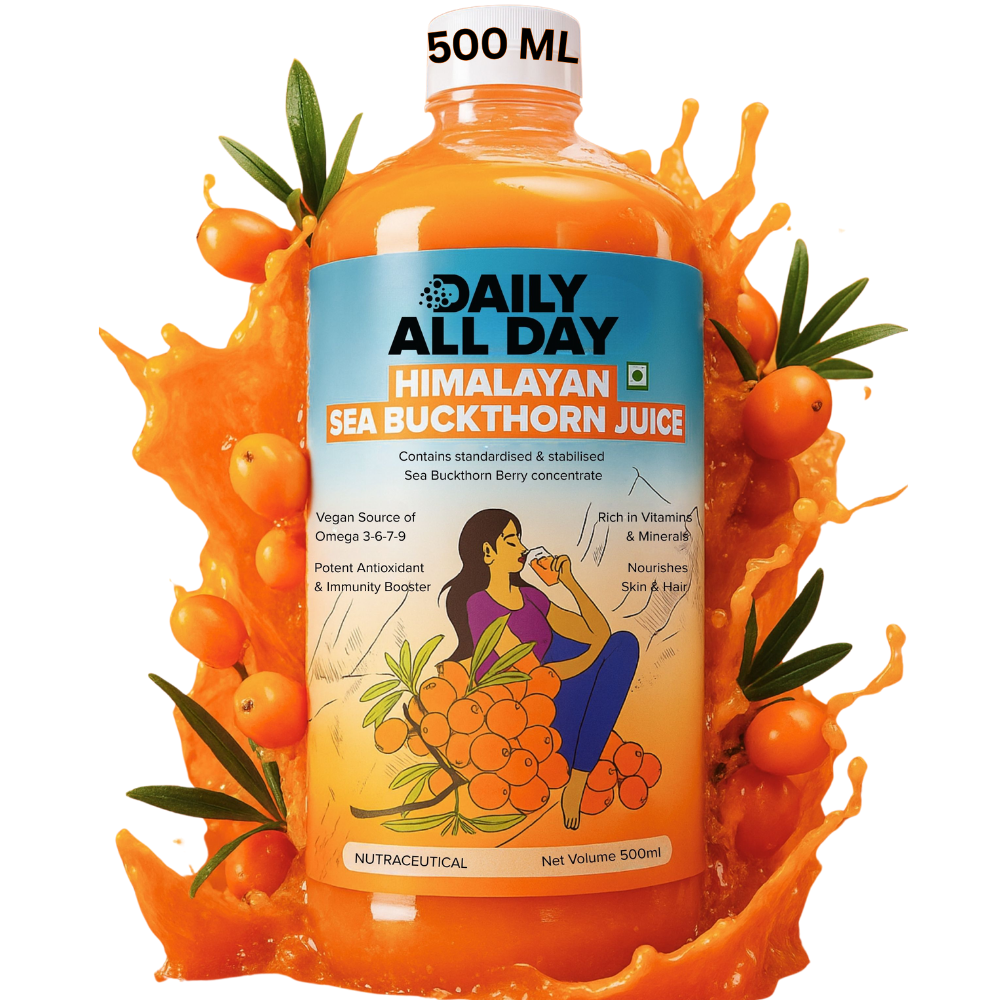
- Sea Buckthorn Juice: High in omega fatty acids and antioxidants, this juice supports skin health, gut health (important for IBS), and reduces digestive discomfort.
These products are 100% vegetarian and based on both modern research and Ayurvedic wisdom. Make your gut-friendly diet even more powerful and easy!
Curious about triphala, Ayurvedic detox, or body types? Dive into our other blogs for more ancient gut secrets.
Your Questions Answered: Ouora QnA Highlights
-
Why are fermented Indian foods like idli & dhokla considered gut superfoods?
- They’re full of probiotics that help good bacteria in your tummy.
- Fermentation boosts protein quality, B-vitamins, and makes foods lighter on your stomach.
- Pairing them with pulses, chutneys, and veggies increases overall fiber, nutrition, and gut friendliness. (Source)
-
What Indian foods are good for gut health?
- Idli, dosa, dhokla, curd, buttermilk, and some pickles are excellent for the gut due to the presence of healthy bacteria. (Quora)
-
How do fermented foods help your gut?
- They introduce beneficial probiotics, balance your gut flora, and improve digestion. This helps with better absorption of nutrients. (Quora)
-
Do Indian people eat a lot of fermented foods?
- Yes! From idli, dosa, uthappam in South India to dhokla in the West, and other regional variants, fermentation is a daily tradition. (Quora)
-
Why is eating fermented food beneficial for the gut?
- They help replenish your gut's good bacteria, aid in digestion, and are super useful for dealing with complex carbs. (Quora)
Frequently Asked Questions
-
What is a probiotic?
Probiotics are live, helpful bacteria found in fermented foods like yogurt, idli, dosa, and buttermilk. They support digestion and help keep your gut healthy. -
Is fermented food safe for everyone?
For most people, yes! But if you have a weak immune system or severe food allergies, check with your doctor first—especially with home-fermented items. -
Are South Indian fermented foods good for weight loss?
Yes! They’re filling, low in fat, and rich in fiber and protein. When combined with good habits and natural support like Slim Support Capsules, they’re even better! -
How often should I eat fermented foods?
Research suggests that regular, steady intake (like daily idli or curd) is better than eating them rarely or in huge amounts. -
Do fermented foods help if I have IBS or bloating?
Many people find that foods like idli, dosa, and curd are gentle on their stomach and can ease IBS symptoms, especially when supported by products with natural digestion-aiding ingredients.
The wisdom of South Indian cuisine truly shines through its love for fermented foods like idli, dosa, and curd. These traditional dishes are more than just tasty—they supply your gut with powerful probiotics, help maintain a balanced microbiome, and make digestion smoother. Scientific studies have highlighted how lactic acid bacteria, present in fermented foods, strengthen your gut barrier, aid metabolism, and even support immune responses [1]. Remember, consistency is key: eating a focused set of fermented foods regularly is better for your gut and mind than random choices.
Daily All Day’s products like Slim Support Capsules and Sea Buckthorn Juice complement your diet by promoting digestion, metabolism, and overall wellness. By embracing both age-old food wisdom and modern nutrition, you can enjoy better gut health, more energy, and a happier you. For more, dive into our blogs on Triphala and ancient ways to keep a happy belly.
- See research on postbiotics and indigenous lactic acid bacteria
- Learn about lactic acid bacteria and food safety
- Study on fermented foods, constipation, and mental health
- Discover umami and taste in fermented milk
- Flavor science in fermented soy sauce
- Carotenoids from fermentation processes
Trust the wisdom of your kitchen—your gut will thank you!