
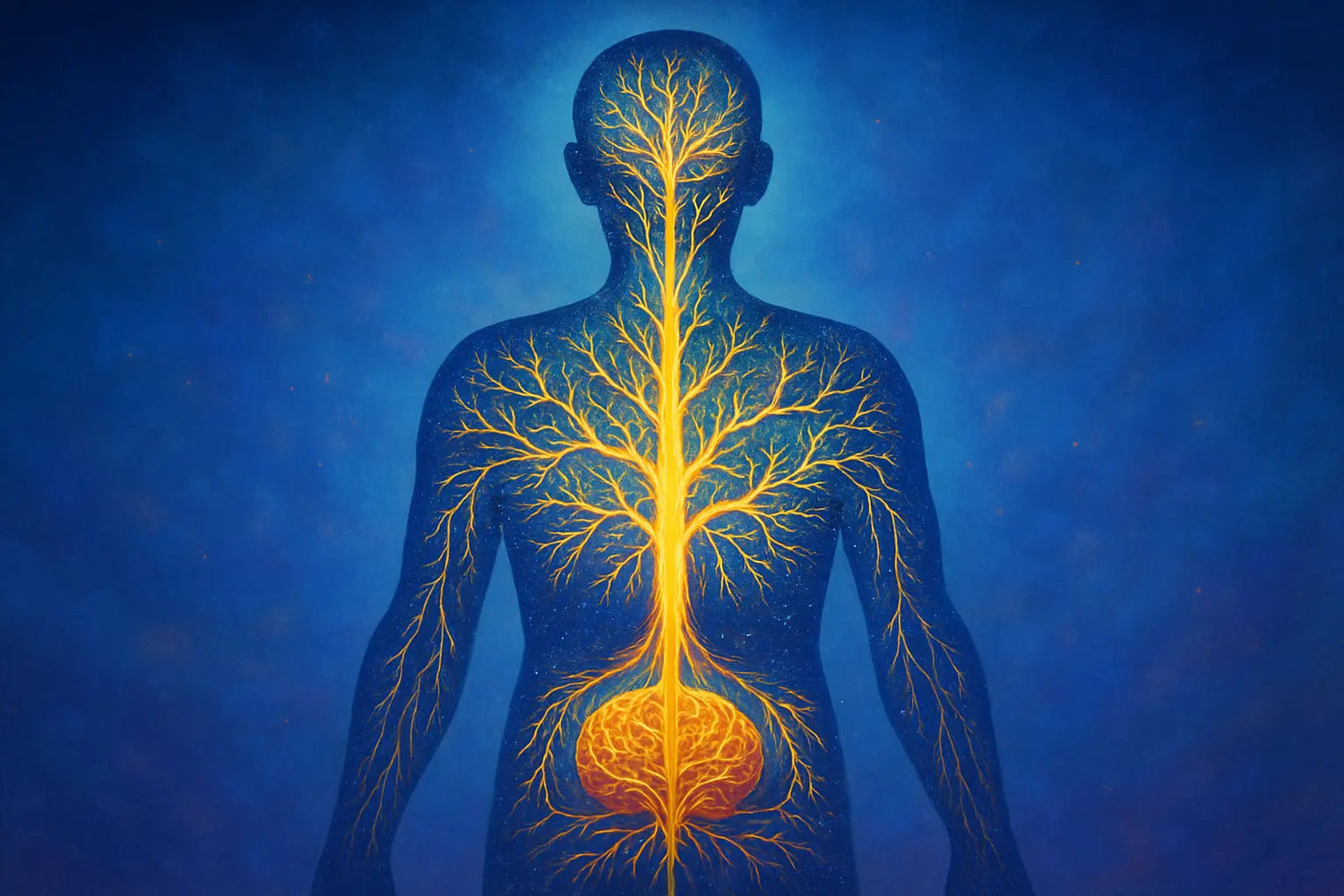
Ever feel like you're a tightly wound spring, ready to snap at the slightest touch? One moment you're fine, and the next, a ringing phone or a simple question makes you jump. That feeling of being constantly 'on alert' is your body's superhighway—your nervous system—working overtime. It’s the master control system for everything you do, think, and feel. Understanding how it works is the first step to helping it, and you, find a little more peace and quiet in a noisy world.
Table of Contents
- What Exactly is the Nervous System?
- The Two Teams: Central and Peripheral Nervous Systems
- Running the Show Automatically: The Autonomic Nervous System
- What Happens When Stress Takes Over?
- Holistic Ways to Keep Your Nervous System Happy
- Ingredients Deep Dive: Nature’s Helpers for a Calm Mind
- Your Daily Support System for Stress and Wellness
- What People Are Asking on Quora
- Nervous vs. Hormonal Systems: A Quick Comparison
- Frequently Asked Questions
What Exactly is the Nervous System?
Imagine your body is a bustling city. Your nervous system is the complete communication network—the internet, phone lines, and traffic signals all rolled into one. It sends lightning-fast messages from your brain to your body and back again. It tells your heart to beat, your lungs to breathe, and your legs to walk. The human nervous system is made up of specialized cells called neurons, which act like tiny messengers carrying signals everywhere.
The Two Teams: Central and Peripheral Nervous Systems
To make things simple, let's divide this massive network into two main teams.
- The Central Nervous System (CNS): This is the headquarters. It consists of your brain and spinal cord. Your brain is the CEO, making all the big decisions. The spinal cord is the main highway connecting the brain to the rest of the body. The CNS central hub processes information and gives out commands.
- The Peripheral Nervous System (PNS): This team is made up of all the other nerves that branch out from the spinal cord to every part of your body, like your arms, legs, and organs. These are the field agents, carrying messages to and from headquarters.
Running the Show Automatically: The Autonomic Nervous System
Within the Peripheral Nervous System, there's a very special branch called the autonomic nervous system. This is the part that runs on autopilot. You don't have to think about digesting your food or making your heart beat—it just happens! This system is crucial for our survival, and it has two famous divisions that work like a gas pedal and a brake.
- Sympathetic Nervous System (SNS): This is your body's gas pedal or alarm system. It’s responsible for the "fight-or-flight" response. When you face a stressful situation—like a big exam or a scary movie—the sympathetic nerve network kicks in. Your heart rate increases, your breathing quickens, and you get a rush of energy. It prepares you to take action.
- Parasympathetic Nervous System (PSNS): This is your body's brake pedal. Its job is to calm things down, often called the "rest-and-digest" system. After the stress has passed, the parasympathetic nervous system helps your heart rate slow down, your breathing return to normal, and your body relax. It conserves energy and helps with daily functions like digestion.
A healthy life requires a good balance between the sympathetic and parasympathetic nervous system. You need the gas pedal to get going, but you also need the brake to slow down and recharge.
What Happens When Stress Takes Over?
In today's world, many of us live with our foot stuck on the gas pedal. Constant deadlines, social pressures, and endless notifications keep our sympathetic nervous system activated. When this happens, our bodies are flooded with stress hormones like cortisol. This can lead to a feeling of being constantly on edge, which is a big part of how mental stress affects health. This chronic state of alert can lead to:
- Anxiety and irritability
- Trouble sleeping or insomnia
- Digestive problems
- Muscle tension, including back and neck pain
- Brain fog and difficulty concentrating
- A weakened immune system
This is where breaking the cycle of stress and burnout becomes essential for your well-being.
Holistic Ways to Keep Your Nervous System Happy
The good news is that you can learn to apply the brakes and support your parasympathetic nervous system. It’s about creating balance through simple, daily habits.
- Nourish Your Nerves: Your nervous system needs the right fuel. A balanced diet rich in vitamins and minerals is key. Healthy fats are especially important. Omega-3 fatty acids, found in foods like flax seeds, are building blocks for your brain and nerve cells. B vitamins also play a huge role in mood and nerve function. The connection between food and mood is very real.
- Move Your Body: Regular, gentle exercise like walking, yoga, or swimming can help release physical tension and reduce stress hormones. Exercise boosts feel-good chemicals in your brain, helping to calm your entire system.
- Prioritize Sleep: Sleep is when your nervous system repairs and recharges. Aim for 7-9 hours of quality sleep per night. Creating a relaxing bedtime routine can signal to your body that it’s time to wind down.
- Practice Mindfulness: Techniques like deep breathing, meditation, or simply spending time in nature can activate your parasympathetic nervous system, telling your body it’s safe to relax.
Ingredients Deep Dive: Nature’s Helpers for a Calm Mind
Certain herbs and nutrients have been used for centuries to support a calm and balanced nervous system. Let's look at some of the superstars found in Daily All Day Stress Free.
- Ashwagandha: This ancient herb is an adaptogen, which means it helps your body adapt to stress. It works by helping to regulate cortisol (the primary stress hormone), promoting a sense of calm without making you drowsy.
- Chamomile: Think of a warm cup of chamomile tea before bed. This flower is famous for its gentle, calming properties. It contains antioxidants that can promote sleepiness and reduce insomnia, helping you get that restorative rest your nervous system craves.
- Green Tea: While it contains some caffeine, green tea is also rich in an amino acid called L-theanine. L-theanine promotes relaxation and reduces stress by increasing calming brain chemicals, all while helping you stay focused.
- L-Arginine: This is another amino acid that helps your body produce nitric oxide, a molecule that relaxes blood vessels. Better blood flow means more oxygen and nutrients can get to your brain, supporting overall cognitive function.
- Vitamin B6: This essential vitamin is a key player in creating neurotransmitters like serotonin and dopamine, which are crucial for regulating mood. Having enough Vitamin B6 can help reduce feelings of stress and anxiety.
Your Daily Support System for Stress and Wellness
Combining a healthy lifestyle with targeted nutritional support can make a world of difference. At Daily All Day, we've created holistic, plant-based formulas to help you find your balance.
Daily All Day Stress Free (120 Capsules)
Our unique formula is designed to be your go-to for managing daily pressures. It’s the only stress relief blend that combines the power of Ashwagandha, Chamomile, and L-Arginine to gently calm your mind and body. It helps reduce stress, promotes a relaxed state of mind, and improves sleep quality. If you struggle with sleep disorders or stress-related pain, this can be a game-changer. Plus, our capsules are 100% plant-based and non-toxic.
Find your calm with Daily All Day Stress Free today!
Daily All Day Total Wellness Omega 3 6 9 (60 Capsules)
Feed your nervous system from the inside out. Our Omega 3 6 9 is sourced entirely from flax seeds, making it a powerful vegan and marine-friendly option. These essential fatty acids are crucial for brain health, reducing inflammation, and supporting your joints and muscles. If you experience joint pain, back pain, or brain fog, supporting your body with healthy fats can provide significant relief.
Support your brain and body with Total Wellness Omega 3 6 9!
What People Are Asking on Quora
Many people are looking for ways to support their nervous system. Here are some common questions and answers from Quora:
-
What are holistic practices to help keep your nervous system well?
The key is a balanced lifestyle. Eating well with healthy fats (like avocados and fish oil) and proper nutrition is crucial. Regular exercise and good quality sleep are also fundamental pillars for a healthy nervous system. -
What are the best ways to protect one's nervous system?
A simple approach is best: eat a reasonably healthy diet. If your diet is lacking in certain nutrients, consider supplementing them to fill the gaps. -
How can we strengthen our nervous system?
Focus on a well-balanced diet. A great rule of thumb is: "Eat food. Not too much. Mostly plants." Cooking from scratch and reducing processed, starchy foods can make a big difference. -
What nutrients help form the nervous system?
Essential nutrients for nervous system development and function include omega-3 fatty acids, vitamins B6 and B12, vitamin E, and magnesium.
Nervous vs. Hormonal Systems: A Quick Comparison
You might have heard about the hormonal (endocrine) system as another control system in your body. So, what's the difference?
- Speed: The nervous system is like sending a text message—it's incredibly fast, with signals traveling in milliseconds. The hormonal system is like sending a letter in the mail—it's much slower, as hormones travel through the bloodstream.
- Duration: The effects of the nervous system are short-lived. The effects of hormones can last for minutes, hours, or even days.
- Target: Nerves target specific cells or muscles. Hormones travel throughout the body and can affect many different organs at once.
Both systems work together to keep your body in balance, but they do it in very different ways.
Frequently Asked Questions
- 1. What is the main function of the nervous system?
- The main function of the nervous system is communication. It acts as the body's command center, controlling and coordinating all actions and functions. It receives information from your senses (like sight and touch), processes it in the brain, and sends out instructions to your muscles and organs.
- 2. Why is sleep so important for my nervous system?
- Sleep is like a nightly maintenance session for your brain and nervous system. During deep sleep, your brain clears out toxins that build up during the day. It also consolidates memories and allows your nerve cells to repair themselves. Without enough quality sleep, your nervous system can become overworked, leading to brain fog, irritability, and a heightened stress response.
- 3. Can stress really cause physical pain?
- Absolutely. When you're stressed, your sympathetic nervous system triggers muscle tension as part of the fight-or-flight response. If you're chronically stressed, your muscles can remain in a constant state of tightness, leading to headaches, back pain, and shoulder pain. Reducing stress can often alleviate this type of physical discomfort.
- 4. Are the Daily All Day supplements safe to take?
- Yes, our supplements are made with pure, natural ingredients. They are 100% vegetarian, non-toxic, and lab-tested. Our products are FSSAI approved and certified by ISO, HACCP, and GMP. However, they are not recommended for pregnant or lactating mothers, and you should consult a doctor if you are on medication or have known allergies.
- 5. How long does it take to see results from these supplements?
- Consistency is key! For best results, we recommend using the supplements for at least 6-8 weeks. Everyone's body is different, and results can vary. Supplements work best when they are part of a balanced diet and a healthy lifestyle that includes regular exercise and good sleep.

Your Journey to a Calm and Balanced Life
Think of your nervous system as the ultimate command center, the intricate superhighway that keeps every part of you connected and functioning. When traffic gets jammed with stress, everything can feel overwhelming. But as we've explored, you have the power to clear the congestion and find your flow. It all starts with simple, holistic practices: eating nourishing foods, moving your body, and prioritizing restful sleep. These are the foundations of a resilient nervous system.
Sometimes, though, we need a little extra support to navigate life's bumps. That's where nature's wisdom comes in. Ingredients like Ashwagandha and Chamomile in our Daily All Day Stress Free capsules are like gentle guides, helping your body adapt to stress and find tranquility. They calm the mind, improve sleep, and restore balance. Similarly, providing your brain with the right fuel, like the essential fatty acids in our vegan Daily All Day Total Wellness Omega 3 6 9, is like paving your neural pathways with gold, ensuring smooth communication and sharp cognitive function.
Taking care of your nervous system isn't a complex task; it's about making small, consistent choices that honor your body's needs. By embracing a balanced lifestyle and incorporating targeted, plant-based support from Daily All Day, you're not just managing stress—you're building a foundation for lasting mental clarity, emotional well-being, and vibrant health.