Picture this: It's a Sunday afternoon, the smell of barbecue is in the air, and a perfectly cooked beef steak is calling your name. Or maybe it’s a comforting bowl of mutton stew that feels like a hug from the inside. We all have those food cravings. But have you ever stopped to think about what happens inside your body after you eat meat? Deep inside your gut, there's a bustling city of trillions of tiny organisms, and they have a lot to say about your food choices.
Your gut is more than just a food processing plant; it’s a complex ecosystem that affects everything from your mood to your immune system. Today, we’re going to dive into how different foods, especially popular choices like red meat and carbs, impact this inner world and what you can do to keep it happy and healthy.
Table of Contents
- Your Gut Microbiome: What Is It?
- The Carb Conundrum: Friend or Foe to Your Gut?
- The Meat of the Matter: From Brisket to Broiler Chicken
- Finding a Healthy Balance for a Happy Gut
- Ingredients Deep Dive: Nature's Support System
- Our Natural Solutions for Total Wellness
- Frequently Asked Questions
Your Gut Microbiome: What Is It?
Imagine a tiny, bustling city inside your intestines. This city is home to trillions of microorganisms, like bacteria, fungi, and viruses. This community is called the gut microbiome. Don't worry, most of these tiny residents are friendly! They help you digest food, produce important vitamins, protect you from infections, and even influence your mood. A healthy gut has a diverse population of these good guys. When the balance gets disturbed, it can lead to problems like bloating, gas, and other digestive issues. Maintaining this balance is key, and your diet is the number one factor that influences it.
The Carb Conundrum: Friend or Foe to Your Gut?
Carbohydrates often get a bad rap, but they are your body's main source of energy. The trick is to choose the right kind. There are two main types:
- Simple Carbs: Found in sugary drinks, white bread, and pastries. They break down quickly, causing blood sugar spikes.
- Complex Carbs: Found in whole grains, vegetables, and beans. They are packed with fiber, which is like a superfood for your good gut bacteria.
When you eat a lot of fiber-rich carbs, your gut bacteria ferment them and produce short-chain fatty acids (SCFAs). These SCFAs are amazing! They provide energy for your gut cells, reduce inflammation, and keep your gut lining strong.
But what if you're constantly craving carbs? According to a Quora discussion, this could be your gut bacteria calling the shots!
How does eating a lot of carbohydrates affect your gut microbiome?
"Yes, it produces more of the bacteria that enjoys breaking them down. If you are craving carbs all the time it is because of this reason." - Read more on Quora
So, feeding your gut healthy, complex carbs helps the good guys flourish. A diet high in simple, sugary carbs, however, can feed the less desirable bacteria, leading to an imbalance.
The Meat of the Matter: From Brisket to Broiler Chicken
Now, let's talk about meat. From delicious pork ribs and lamb chops to everyday roasted chicken, meat is a staple in many diets. The internet is filled with meat-related queries, from the simple "what is gyro meat?" to the more bizarre, like the historical "Kentucky meat shower" incident. People are curious about everything from fancy Wagyu beef and venison (deer meat) to finding the best mutton near me.
But how does all this cow meat, goat meat, and pork meat affect our gut? The impact of meat depends on the type and how it's prepared. Lean proteins like chicken steak and fish can be great for your health. However, a diet high in red meat (like beef, veal, and lamb meat) and processed meats (like sausage, salami, and bacons) can be a different story.
Some studies suggest that high consumption of red meat can lead to the growth of gut bacteria that produce a compound called trimethylamine N-oxide (TMAO). High levels of TMAO are linked to an increased risk of heart problems. Processed meats, often high in salt and preservatives, can also disrupt the gut balance.
Contrary to some beliefs, meat itself doesn't just destroy gut bacteria. As one Quora user explains:
How does meat destroy your stomach's gut bacteria?
"To the best of my knowledge, eating meat does not destroy gut bacteria. However, heavy use of antibiotics will. On the other hand, excessive [consumption]..." - Read more on Quora
The key takeaway is that moderation and balance are crucial. Enjoying a T-bone steak or some Champaran mutton occasionally is fine, but making it the centerpiece of every meal might not be the best for your gut's long-term health. For a healthier gut, check out our guide on the best diet for gut health.
Finding a Healthy Balance for a Happy Gut
So, how do you create a gut-friendly diet without giving up everything you love? It’s simpler than you think:
- Eat the Rainbow: Fill your plate with a variety of colorful fruits and vegetables. They are packed with fiber and nutrients that your good bacteria love.
- Choose Lean Proteins: Opt for chicken, fish, and plant-based proteins like beans and lentils more often.
- Limit Processed Foods: Reduce your intake of processed meats, sugary snacks, and refined grains.
- Add Healthy Fats: Foods rich in Omega-3, 6, and 9 fatty acids, like flaxseeds and avocados, are great for reducing inflammation throughout the body, including in the gut. These fats are essential for overall health, and you can learn more about them in our ultimate guide to Omega supplements.
Ingredients Deep Dive: Nature's Support System
Sometimes, even with a good diet, our bodies need a little extra support. This is where powerful natural ingredients come in. Two such powerhouses are Flaxseed and Sea Buckthorn.
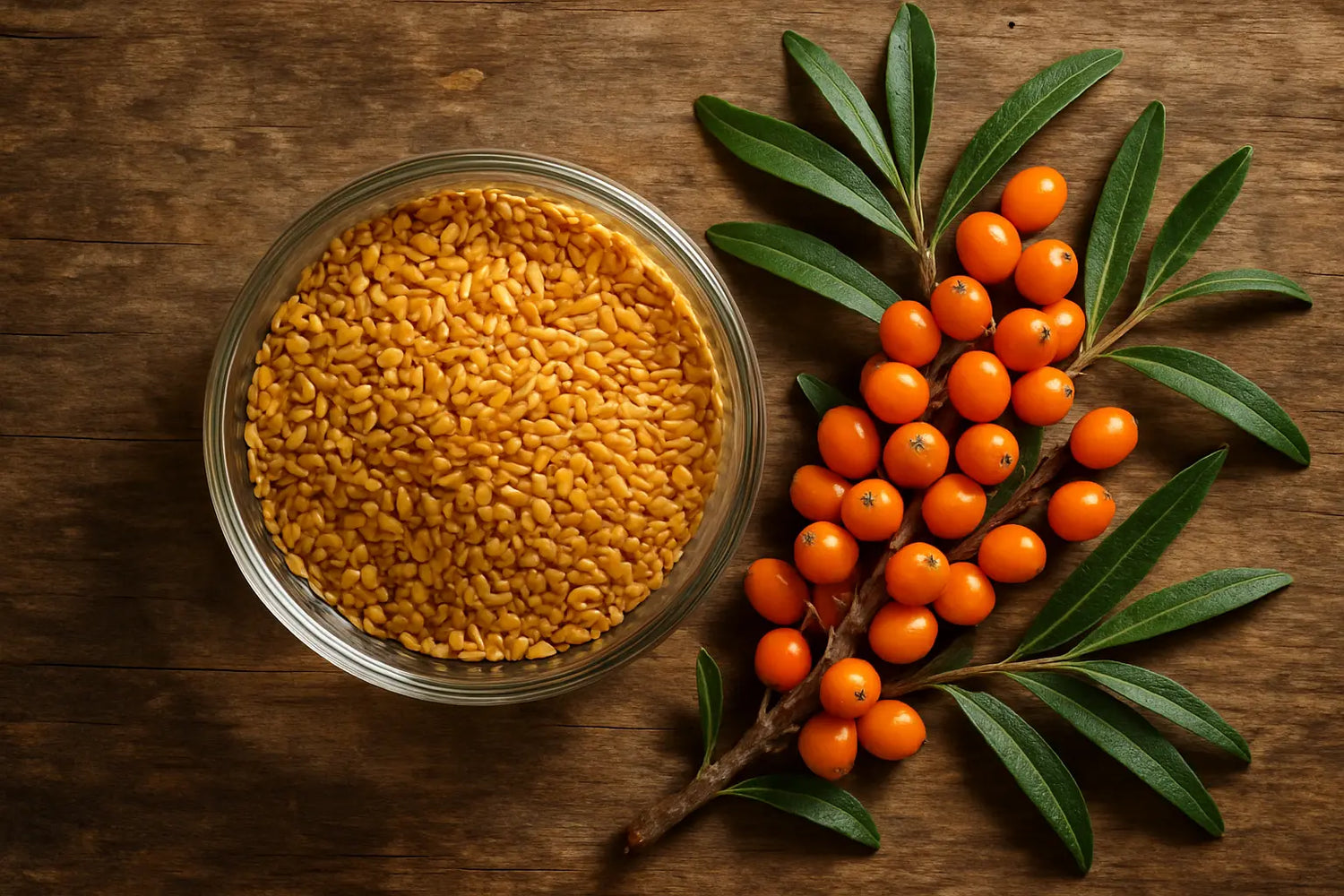
- Flaxseed: These tiny seeds are an incredible plant-based source of Omega-3 (ALA), Omega-6 (Linoleic Acid), and Omega-9 (Oleic Acid). These fatty acids are superstars for health. They fight inflammation, which is a root cause of many issues like joint pain. They also support brain function, keep your heart healthy, and even help build stronger muscles.
- Sea Buckthorn: This vibrant orange berry is a nutritional goldmine. It's one of the few plant sources of all four omega fatty acids: 3, 6, 9, and the rare Omega-7. Omega-7 is fantastic for skin hydration and cellular health. Sea Buckthorn is also loaded with Vitamin C, E, and other antioxidants that boost your immune system, protect your heart, and give your skin a natural, healthy glow. It works as a natural lubricant for the body's mucous membranes, which can help with issues like dry eyes and digestive discomfort.
Our Natural Solutions for Total Wellness
At Daily All Day, we harness the power of these incredible ingredients to create products that support your health from the inside out.
Daily All Day Sea Buckthorn Juice (500ml)
Our Sea Buckthorn Juice is made from pure, raw pulp to give you the maximum benefits of this superfruit. It’s a perfect addition to your daily routine for vibrant health.
- Key Ingredients: Raw Sea Buckthorn Pulp, rich in Omega 3, 6, 9, and the rare Omega 7, plus vitamins and antioxidants.
-
Benefits:
- Glowing Skin & Hair: Boosts collagen and hydration for a natural glow.
- Boosts Immunity: High antioxidant content protects your body.
- Supports Heart Health: Helps maintain healthy cholesterol levels.
- Solves Acne problem: The antioxidants and omega fatty acids help clear breakouts.
- Aids Digestion: Soothes the gut lining and can help with discomfort from issues like IBS.
- Unique Point: Our juice is 100% natural, made from raw pulp with no added sugar or artificial ingredients.
- How to Consume: Mix 3 spoons of juice in a glass of water, twice a day after meals.
- Link: Daily All Day Sea Buckthorn Juice
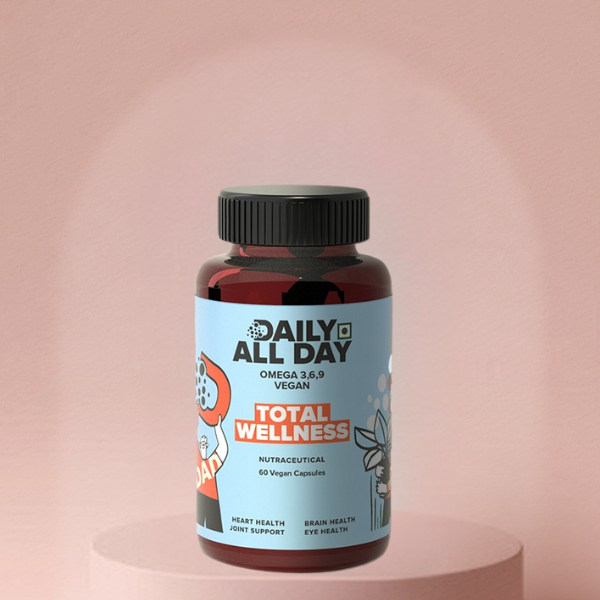
Daily All Day Total Wellness Omega 3 6 9 (60 Capsules)
Get your complete dose of essential fatty acids with our 100% vegetarian capsules. Sourced from pure flaxseed oil, this is a cruelty-free and marine-friendly way to support your whole body.
- Key Ingredients: Flaxseed oil providing Alpha Linolenic Acid (ALA), Linoleic Acid, and Oleic Acid.
-
Benefits:
- Supports Brain & Heart Health: Enhances cognitive function and cardiovascular wellness.
- Relieves Joint Pain: Reduces inflammation to ease discomfort in knees and back.
- Strengthens Muscles: Aids in muscle recovery and strength.
- Improves Flexibility: Acts as a natural lubricant for joints and supports ligaments.
- Unique Point: A truly vegan Omega 3-6-9 supplement. Our capsules are made from plant-based cellulose, not animal-derived gelatin. It's a powerful way to get these essential nutrients without harming marine life. Many people lack key nutrients, which can lead to vitamin deficiency issues; this supplement helps fill those gaps.
- How to Consume: Take 2 capsules twice daily, after meals.
- Link: Daily All Day Total Wellness Omega 3 6 9
Frequently Asked Questions
- 1. Does all red meat harm gut health?
- Not necessarily. The key is moderation and quality. Grass-fed, unprocessed red meat consumed in moderation can be part of a healthy diet. It's the high consumption of processed meats (like bacon and salami) and fatty cuts of red meat that is more strongly linked to negative changes in the gut microbiome.
- 2. How can I quickly improve my gut microbiome?
- The fastest way to improve your gut health is by changing your diet. Increase your intake of fiber from diverse sources like fruits, vegetables, whole grains, and legumes. Add fermented foods like yogurt and kimchi. Reduce sugar and processed foods. Consistency is more important than a one-time fix.
- 3. Are plant-based Omegas as effective as fish oil?
- Yes, they are highly effective. Plant-based Omega-3 (ALA) from sources like flaxseed is converted by the body into the longer-chain fatty acids, EPA and DHA, found in fish oil. For people following a vegetarian or vegan lifestyle, or those concerned about marine contaminants, plant-based Omega supplements are an excellent, safe, and sustainable choice.
- 4. Can diet changes really fix digestive issues like bloating and gas?
- Absolutely. Many common digestive problems are directly related to an imbalance in the gut microbiome caused by diet. By shifting to a diet rich in fiber and whole foods and reducing inflammatory foods, many people experience significant relief from bloating, gas, and irregular bowel movements.
- 5. What are the first signs of an unhealthy gut?
- Common early signs include frequent gas, bloating, constipation, diarrhea, and heartburn. However, an unhealthy gut can also manifest in less obvious ways, such as fatigue, skin irritation (like acne), sugar cravings, and even mood swings or trouble concentrating.

The Final Takeaway: Eat Smart, Live Well
So, what's the verdict on the great meat debate? It's not about giving up your favorite beef brisket or mutton stew forever. It's about balance. Our gut is a complex world, and what we feed it matters immensely. A diet heavy in processed red meats and simple carbs can throw this delicate ecosystem off balance, leading to inflammation and discomfort. On the other hand, a balanced diet rich in fiber, lean proteins, and healthy fats helps our good gut bacteria thrive.
Remember, supporting your body isn't just about avoiding certain foods; it's also about adding the right nutrients. This is where nature-powered supplements can make a real difference. For instance, incorporating a high-quality vegan omega supplement can help manage the inflammation that often comes with a meat-heavy diet, supporting your joints, heart, and brain.
Daily All Day’s Total Wellness Omega 3 6 9 capsules, sourced entirely from plants like flaxseed, are a perfect, cruelty-free way to get these essential fatty acids. They help lubricate your joints, reduce back and knee pain, and even support clear skin.
Similarly, for overall gut health and a radiant glow, the antioxidants and rare Omega-7 in our Sea Buckthorn Juice can work wonders. It helps soothe the digestive tract, boosts your immunity, and gives your skin and hair a natural vibrancy. By making mindful choices and incorporating powerful, natural allies like these, you can enjoy the foods you love while keeping your gut happy and your body healthy. It's all about finding that delicious, sustainable balance for total well-being.