Ever have one of those days where you just feel… off? Maybe you’re feeling bloated, your energy is low, or your mood is all over the place. You might blame it on a bad night's sleep or a stressful day, but what if the answer lies somewhere deeper? What if your gut is trying to tell you something?
Your gut is more than just a digestive tube; it's a bustling city of trillions of tiny microorganisms. This inner world, known as your gut microbiome, plays a huge role in your overall well-being. That's why achieving good gut health is so important. Two key players in this mission are prebiotics and probiotics. They sound similar, but they have very different jobs. Let's dive in and uncover the secrets to a happier, healthier you, starting from the inside out.
Table of Contents
- What's All the Buzz About Gut Health Anyway?
- Meet the Players: Probiotics vs. Prebiotics
- The Key Difference: A Simple Breakdown
- Ingredients Deep Dive: Nature's Gut Supporters
- Hot Topics on Quora: Your Questions Answered
- Practical Tips for a Healthier Gut
- A Quick Note on Gut Health Supplements
What's All the Buzz About Gut Health Anyway?
Think of your gut as a garden. For the plants (your body) to thrive, the soil needs to be healthy and full of good stuff. In your gut, this “good stuff” is a diverse community of bacteria, fungi, and other microbes. A healthy gut has a good balance of friendly bacteria and not-so-friendly bacteria.
When this balance is right, it helps with:
- Digestion: Breaking down food and absorbing nutrients.
- Immunity: About 70% of your immune system lives in your gut!
- Mood: Your gut and brain are constantly talking. This connection is called the gut brain axis, and it explains why gut problems can sometimes lead to anxiety or low mood.
- Skin Health: Issues like acne and eczema are often linked to an unhappy gut.
When the bad bacteria start to take over, it can lead to problems like gut bloating, gas, and even a condition known as a leaky stomach, where the gut lining becomes weak. This is where prebiotics and probiotics come to the rescue.
Meet the Players: Probiotics vs. Prebiotics
Even though they sound alike, they have very distinct roles. Let’s break it down in a way that’s super easy to remember.
Probiotics: The “Good Guys”
Probiotics are live, friendly bacteria. They are the actual good microorganisms that you can introduce into your system to boost the population of helpful microbes in your gut. Think of them as reinforcements arriving to help your existing army of good bacteria fight off the bad guys.
You can find probiotics for gut health in fermented foods. These are foods that have gone through a process where bacteria break down sugars.
Common Probiotic Foods:
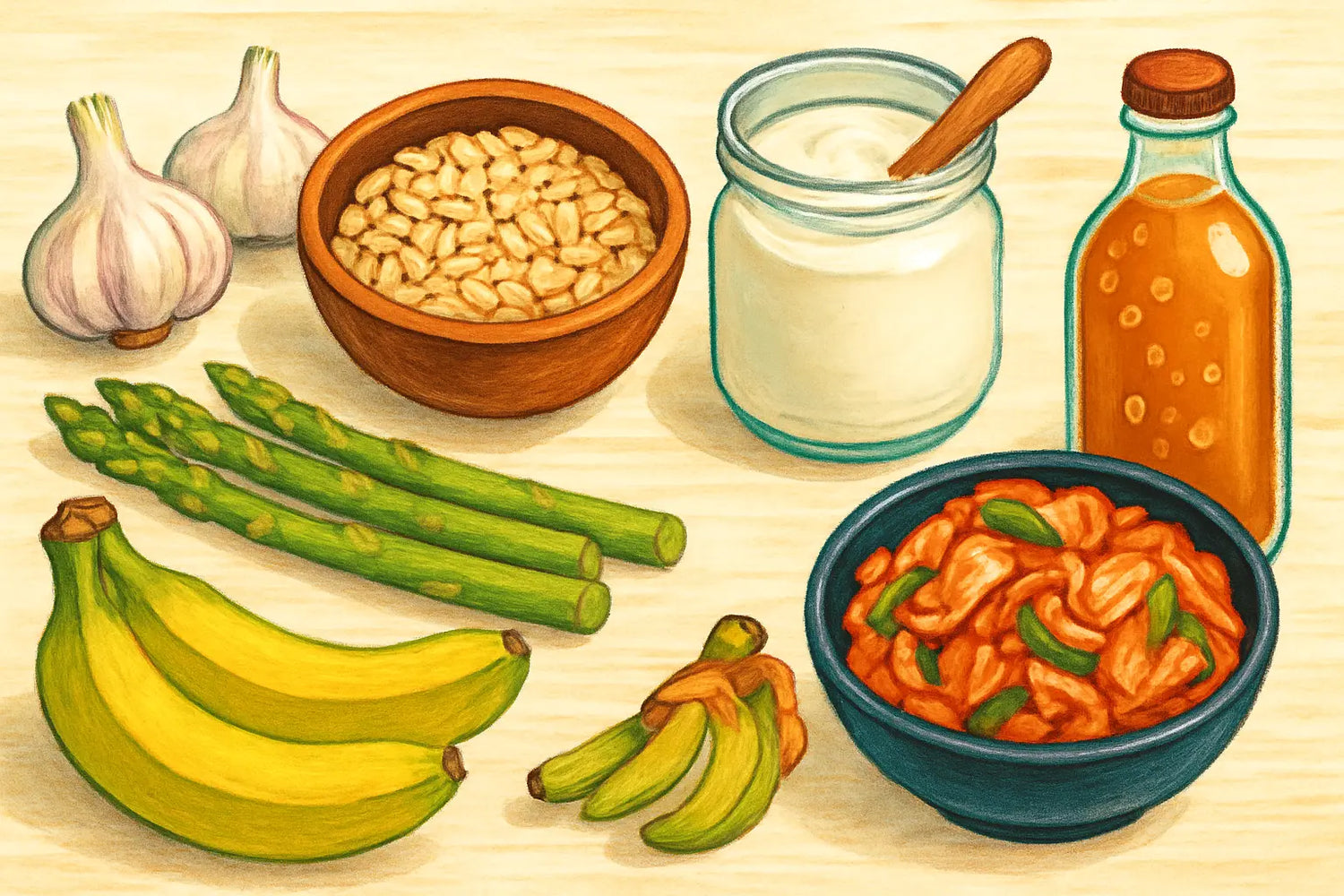
- Yogurt (look for “live and active cultures”)
- Kefir (a fermented milk drink)
- Sauerkraut (fermented cabbage)
- Kimchi (a spicy Korean side dish)
- Kombucha (fermented tea)
- Miso and Tempeh
Prebiotics: The Food for the “Good Guys”
Prebiotics are special plant fibers that your body can't digest. But that’s a good thing! Instead of being broken down, these fibers travel to your lower digestive tract, where they act as food for the good probiotic bacteria. They are the fuel that helps your good gut bacteria thrive, multiply, and do their job effectively.
Essentially, if probiotics are the flowers in your gut garden, prebiotics are the fertilizer that helps them grow strong. A gut health diet should be rich in these fibers.
Common Prebiotic Foods:
- Garlic, Onions, and Leeks
- Bananas (especially slightly unripe ones)
- Oats
- Apples
- Asparagus
- Flaxseeds
- Chicory Root
The Key Difference: A Simple Breakdown
Still a bit confused? Here’s a simple chart to make it crystal clear:
| Feature | Probiotics | Prebiotics |
|---|---|---|
| What are they? | Live, beneficial bacteria. | Indigestible plant fibers (food for bacteria). |
| What's their job? | Add more good bacteria to your gut. | Feed the existing good bacteria in your gut. |
| Where do you find them? | Fermented foods like yogurt and kimchi. | High-fiber foods like garlic, bananas, and oats. |
So, the takeaway is: probiotics and gut health go hand-in-hand, but prebiotics are just as crucial because they make the probiotics work better. You need both for the best diet for gut health.
Ingredients Deep Dive: Nature's Gut Supporters
While the foods listed above are staples, some natural ingredients offer incredible support for your gut.
Sea Buckthorn: The Gut-Lining Protector
Sea Buckthorn is a superfruit that’s a powerhouse of nutrients. It's especially rich in Omega 3, 6, 9, and the rare Omega 7 fatty acids. These nutrients are fantastic for supporting the mucous membranes that line your digestive tract. A strong gut lining is essential for preventing a leaky stomach and ensuring you absorb all the good nutrients from your food.
Daily All Day's Sea Buckthorn Juice is made from pure, raw pulp, preserving all its benefits. It helps:
- Support Digestion: By promoting a healthy gut environment.
- Improve Hydration: It helps keep internal linings, including the gut, moisturized and healthy.
- Promote Glowing Skin: A healthy gut often translates to clear, glowing skin, highlighting the powerful gut-skin connection.
Berberis Aristata (Daruhaldi): The Metabolic Balancer
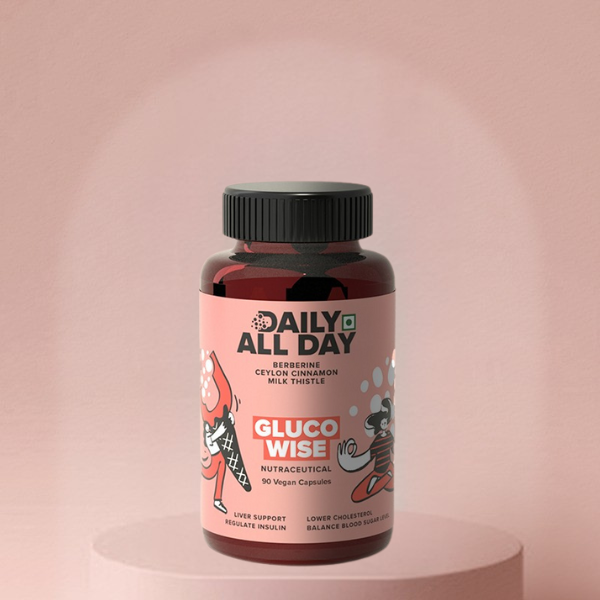
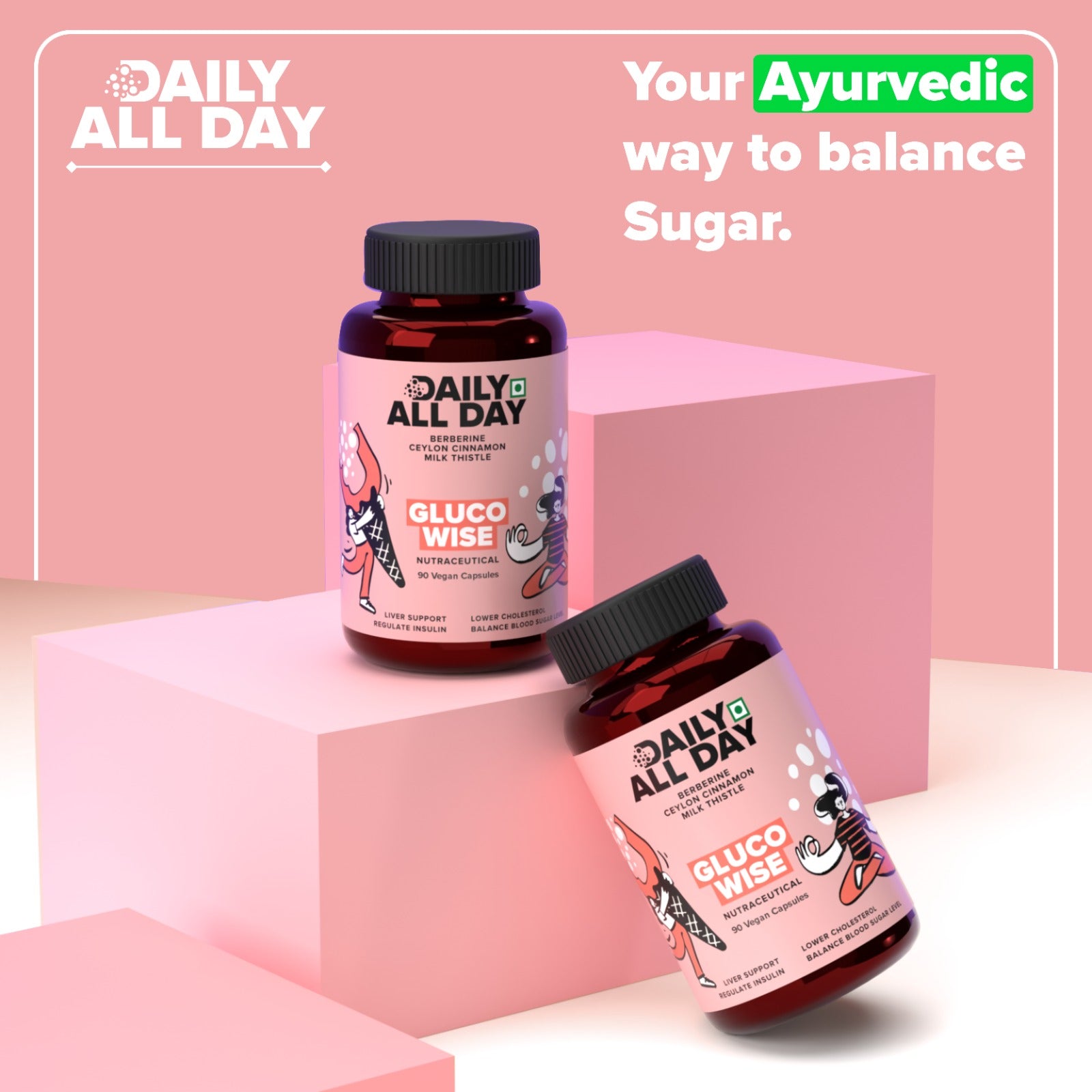
A healthy metabolism and a healthy gut are deeply connected. Ingredients that support metabolic function can help your digestive system work more efficiently. Berberis Aristata, also known as Daruhaldi, is an Ayurvedic herb that supports healthy blood sugar levels and liver health. The liver plays a critical role in digestion and detoxification.
While not a direct prebiotic or probiotic, ingredients like this, found in supplements such as Daily All Day's Gluco Wise, work holistically to support systems that are vital for good gut function. When your metabolism and liver are happy, your gut is often happier too.
Hot Topics on Quora: Your Questions Answered
Many people are curious about prebiotics and probiotics. Here are some top questions from Quora, answered simply:
- What are prebiotics and probiotics and their role in gut health? - Probiotics are the good bacteria themselves, while prebiotics are the specific sugars they need to live and thrive in your gut. Both are essential for a healthy intestinal tract. Source
- Is it better to only take a probiotic or only take a prebiotic? - They are both important. Prebiotics feed the good bacteria already in your gut, while probiotics can add new beneficial strains and help reduce inflammation. They work best as a team. Source
- What is the difference between prebiotics and probiotics? - The main difference is that prebiotics are special plant fibers that help healthy bacteria *grow*, while probiotics *are* the healthy bacteria. Prebiotics make your digestive system work better by feeding the good guys. Source
- Which one is better for digestion, prebiotics or probiotics? - Again, both are important for different reasons. Prebiotics nourish your gut's existing good bacteria, and probiotics can help modulate your immune system and tame inflammation. For optimal digestion, a combination is ideal. Source
Practical Tips for a Healthier Gut
Improving your gut health doesn't have to be complicated. Here are some simple, actionable steps:
- Eat the Rainbow: A diverse diet leads to a diverse microbiome. Try to eat a wide variety of fruits, vegetables, and whole grains to get plenty of prebiotics.
- Incorporate Fermented Foods: Add a serving of yogurt, kefir, or sauerkraut to your diet a few times a week to get a dose of probiotics.
- Stay Hydrated: Water is essential for helping prebiotic fiber do its job and for overall digestive health.
- Manage Stress: High stress levels can negatively impact your gut bacteria. Try activities like meditation, yoga, or even just a walk in nature.
- Get Enough Sleep: Poor sleep can disrupt your gut microbiome. Aim for 7-9 hours of quality sleep per night.
A Quick Note on Gut Health Supplements
The market is flooded with gut health supplements and every kind of supplement probiotic imaginable. While they can be helpful for some, it’s important to be a smart consumer.
- Food First: The best way to support your gut is through a healthy, balanced diet.
- Regulation: The U.S. Food and Drug Administration (FDA) doesn't regulate these supplements in the same way it regulates medicine. This means quality can vary.
- Talk to a Pro: Before starting any new supplement, it’s always a good idea to chat with your healthcare provider. They can help you decide if it’s right for you, especially if you have any existing health conditions.
Conclusion: Your Path to a Happy Gut
Prebiotics and probiotics are a dynamic duo for your digestive system. By understanding their unique roles—prebiotics as the fuel and probiotics as the friendly bacteria—you can make informed choices to create a thriving gut environment. A healthy gut diet isn't about perfection; it's about consistency and balance. Start by adding more plant-based, fiber-rich foods and some fermented goodies into your routine, and your gut will thank you with better digestion, improved mood, and overall vitality.
Frequently Asked Questions
- 1. What's the main difference between prebiotics and probiotics?
- The simplest way to remember it is: Probiotics are the live, beneficial bacteria that you add to your gut. Prebiotics are the special plant fibers (food) that feed the good bacteria already living there. Probiotics are the *workers*, and prebiotics are their *lunch*.
- 2. Can I get enough prebiotics and probiotics from food alone?
- Yes, for most healthy people, a balanced diet rich in high-fiber fruits, vegetables, whole grains, and fermented foods can provide enough prebiotics and probiotics. A healthy gut diet focused on whole foods is the best foundation. Supplements should be considered an addition, not a replacement.
- 3. How long does it take to improve gut health?
- It varies for everyone. You might notice small improvements in digestion and bloating within a few days of making dietary changes. However, making significant, lasting changes to your gut microbiome can take several weeks to months of consistent effort. Patience and consistency are key.
- 4. Are there any side effects of taking prebiotics or probiotics?
- For most people, they are very safe. When you first start increasing your intake of prebiotic fiber or probiotic foods, you might experience some temporary gas, bloating, or digestive discomfort as your system adjusts. It's best to start with small amounts and increase gradually. If you have a compromised immune system or a serious illness, you should consult a doctor before taking them.
- 5. Do prebiotics and probiotics help with gut bloating?
- Yes, they can be very effective. Gut bloating is often caused by an imbalance of gut bacteria. By introducing more good bacteria (probiotics) and feeding them well (prebiotics), you can help restore balance, improve digestion, and reduce the production of gas, which leads to less bloating over time.

Your Journey to a Healthier Gut Starts Now!
To wrap things up, understanding the difference between prebiotics and probiotics is a game-changer for your overall health. Think of it this way: probiotics are the friendly soldiers you send into your gut, and prebiotics are the nutritious food that keeps them strong and ready for battle. You need both for a thriving gut microbiome.
Focusing on a balanced, fiber-rich diet is the best way to get these gut-loving nutrients. Incorporating a variety of fruits, vegetables, and fermented foods will build a strong foundation for your digestive system and beyond, influencing everything from your mood to your skin. For an extra boost, consider natural supplements that support your gut lining and overall wellness.
Our Daily All Day Sea Buckthorn Juice is a fantastic way to support your gut. Made from raw pulp, it’s packed with Omega fatty acids and antioxidants that help maintain a healthy gut lining and promote digestive balance. Similarly, supporting your metabolism with ingredients like those in Daily All Day Gluco Wise contributes to a holistic sense of well-being. Remember, a happy gut is the cornerstone of a happy life. Start making small, conscious choices today, and your body will thank you for it!