
Table of Contents
- A Taste of Royalty: The Rajasthani Plate
- Ingredients Deep Dive: The Stars of the Show
- The Ghee Story: A Double-Edged Sword?
- The Spice Effect: Flavorful Friend or Fiery Foe?
- The Absorption Puzzle: Are You Getting Your Vitamins?
- What People Are Asking About Ghee Online
- Finding Balance in a Modern World
- Frequently Asked Questions
A Taste of Royalty: The Rajasthani Plate
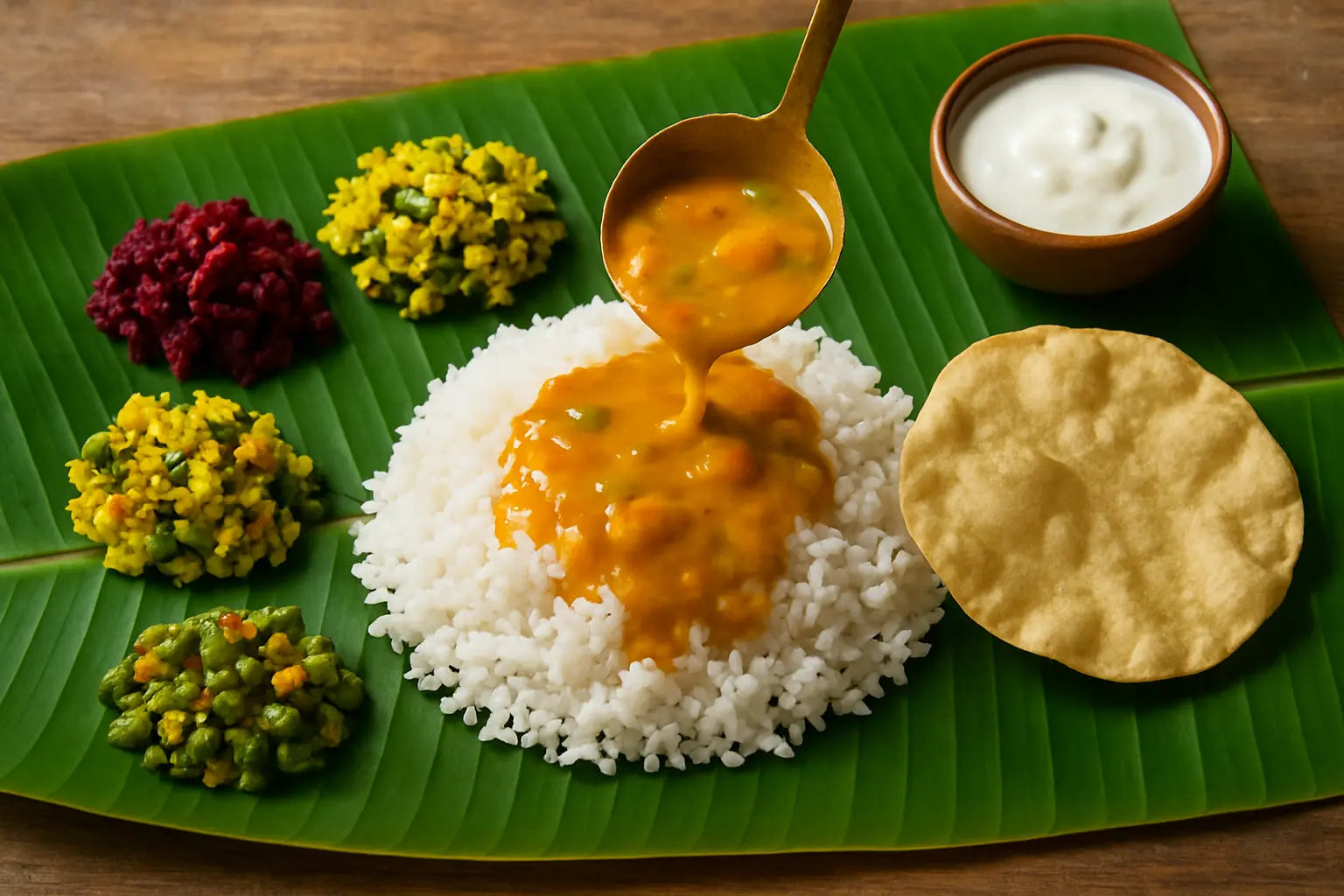
Picture this: a grand thali from Rajasthan. In front of you sits a crispy, round Dal Baati, glistening as it soaks up a generous spoonful of golden, liquid sunshine. Next to it, a bowl of Gatte ki Sabzi swims in a spicy, vibrant gravy, and the fiery red of Laal Maas promises a flavor explosion. The air is thick with the aroma of cumin, coriander, and asafoetida. This isn't just food; it's a story of deserts, warriors, and kings. A key character in this story is desi ghee, used not just for cooking, but for drenching, drizzling, and defining the very essence of the cuisine.
For centuries, this high-ghee, high-spice diet has sustained the people of Rajasthan. But as our lifestyles change, a question pops up: Is this traditionally rich diet good for our modern bodies? Specifically, how does this delicious indulgence affect our gut health and our ability to absorb essential vitamins? Let’s unravel this flavorful mystery.
Ingredients Deep Dive: The Stars of the Show
To understand the Rajasthani diet, we need to get to know its main players. It’s not just about what’s used, but how it’s used.
- Ghee (Clarified Butter): This is the soul of Rajasthani cooking. Whether it's cow ghee, buffalo ghee, or the prized A2 Gir cow ghee, it's used for deep-frying, sautéing, and as a final topping. Ghee is made by simmering butter to remove the milk solids and water, leaving pure butterfat. This process of making ghee from butter gives it a high smoke point and a rich, nutty flavor.
- Red Chili (Mathania): Rajasthan is famous for its fiery red chilies, especially the Mathania variety. They provide not just heat but a brilliant red color to dishes like Laal Maas.
- Cumin & Coriander: This duo forms the earthy, aromatic base of most curries and dry vegetable dishes. They are known to aid digestion.
- Turmeric: The golden spice, valued for its color and health properties, particularly its anti-inflammatory compound, curcumin.
- Asafoetida (Hing): A pungent spice used in small quantities, especially in lentil dishes (dals), to add a unique savory flavor and prevent gas.
The Ghee Story: A Double-Edged Sword?
Ghee has a revered place in Indian culture and Ayurveda. It's considered a superfood, but like any hero, it has a complex story. Let's look at both sides.
The Bright Side of Ghee
- Gut-Friendly Fuel: Desi ghee is one of the best natural sources of butyric acid, a short-chain fatty acid. Why does this matter? Your colon cells use butyric acid as their primary source of energy! It helps strengthen the gut wall, reduces inflammation, and can improve digestion.[1]
- Vitamin Vehicle: Ghee is rich in fat-soluble vitamins like A, E, D, and K. These vitamins need fat to be absorbed by your body. So, adding a dollop of ghee to your dal or vegetables can actually help you get more out of them.
- High Smoke Point: Unlike many oils that can break down into harmful free radicals at high temperatures, ghee is very stable. This makes it a safer choice for Indian-style cooking which often involves high heat.
The Potential Pitfalls
- The Calorie Question: Ghee is pure fat, which means it’s very high in calories. In the past, the physically demanding lifestyle in Rajasthan meant these calories were easily burned. Today, with more sedentary jobs, excessive ghee can contribute to weight gain.
- Saturated Fat Concerns: Ghee is high in saturated fat. While recent studies show that the relationship between dietary saturated fat, cholesterol, and heart disease is more complex than we thought, health organizations still recommend moderation. An extremely high intake without a balanced diet could potentially affect cholesterol levels.
- Gut Microbiome Imbalance: A diet excessively high in fat can sometimes alter the balance of bacteria in your gut. This imbalance, called dysbiosis, can lead to digestive issues and inflammation.[4]
The Spice Effect: Flavorful Friend or Fiery Foe?
The spices in Rajasthani food do more than just add a kick; they have their own health stories.
The Power of Spices
- Anti-Inflammatory Heroes: Turmeric is the most famous example. Its active compound, curcumin, is a powerful anti-inflammatory agent.[2]
- Digestive Aids: Spices like cumin, coriander, and fennel have been used for centuries to stimulate digestion and reduce bloating.
When the Heat is Too Much
- Gut Irritation: The star of the spice box, red chili, gets its heat from a compound called capsaicin. While capsaicin has some health benefits, in large amounts, it can be a major irritant to the stomach lining. For some people, a high-spice diet can trigger acid reflux, heartburn, or even gastritis.[3]
- Masking the Flavor: Sometimes, the heat can be so overpowering that it masks the subtle flavors of the other ingredients. Balance is key to a truly delicious and healthy meal.
The Absorption Puzzle: Are You Getting Your Vitamins?
So, how does this combination of high ghee and high spice affect your body’s ability to absorb nutrients? It’s a bit of a puzzle.
On one hand, the ghee helps in absorbing fat-soluble vitamins. But on the other hand, if the high spice level is constantly irritating your gut lining, it can lead to chronic, low-grade inflammation. An inflamed gut doesn't work efficiently. This inflammation can damage the tiny, finger-like projections in your intestines (called villi) that are responsible for absorbing most nutrients from your food.
This means you might be eating nutritious food, but your body could be struggling to absorb vital water-soluble vitamins like Vitamin B12 and minerals like iron and calcium. This is particularly concerning as deficiencies in these nutrients are already widespread in India.
What People Are Asking About Ghee Online
We browsed Quora to see what people are curious about regarding ghee and its health benefits. Here’s a quick rundown:
- What are the traditional health benefits of consuming desi ghee? People highlight that ghee is a great source of essential vitamins and contains Butyric Acid, which helps the body produce T-cells to fight diseases.
- Why is ghee good for the heart and gut health? The consensus is that ghee is rich in antioxidants and healthy fats. While fats should be consumed in moderation, these healthy fats are considered beneficial for both heart and gut.
- Why is ghee a healthy addition to a diet plan? Users point out that ghee contains vitamins and minerals that help regulate and repair the gut lining, which is also important for brain health.
- What are the advantages and disadvantages of eating ghee? The main advantage cited is its role in repairing the gut lining. The disadvantage often mentioned is its high-calorie content, stressing the need for moderation.
Finding Balance in a Modern World
So, should you stop eating Rajasthani food? Absolutely not! The key is balance and supporting your body to handle this rich cuisine.
A diet heavy in fats and carbs can put a strain on your liver and affect your blood sugar and cholesterol levels. To help your body manage this, a targeted supplement can make a big difference.
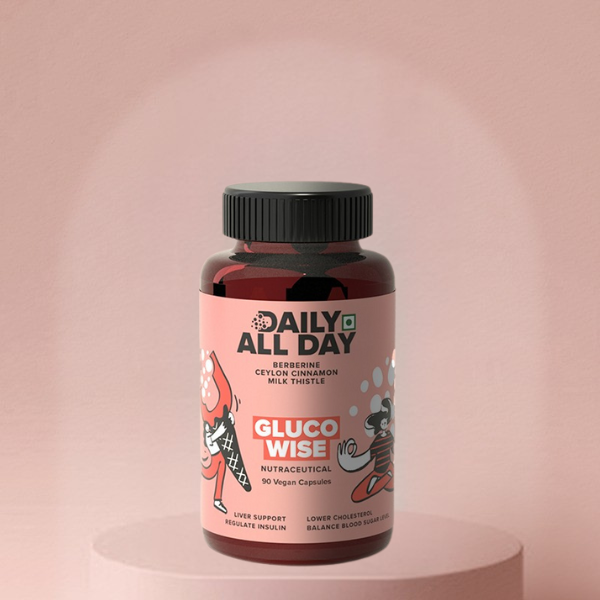
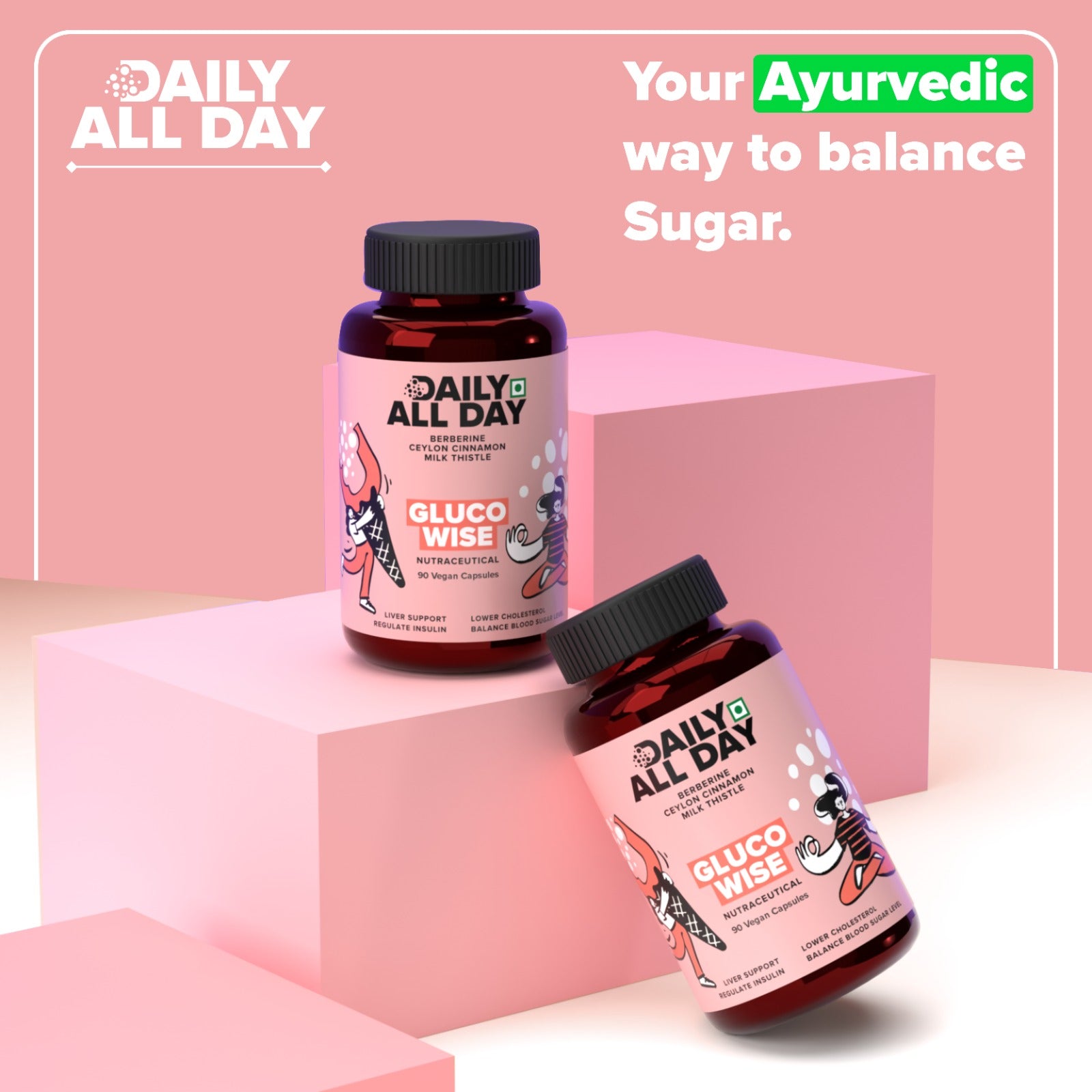
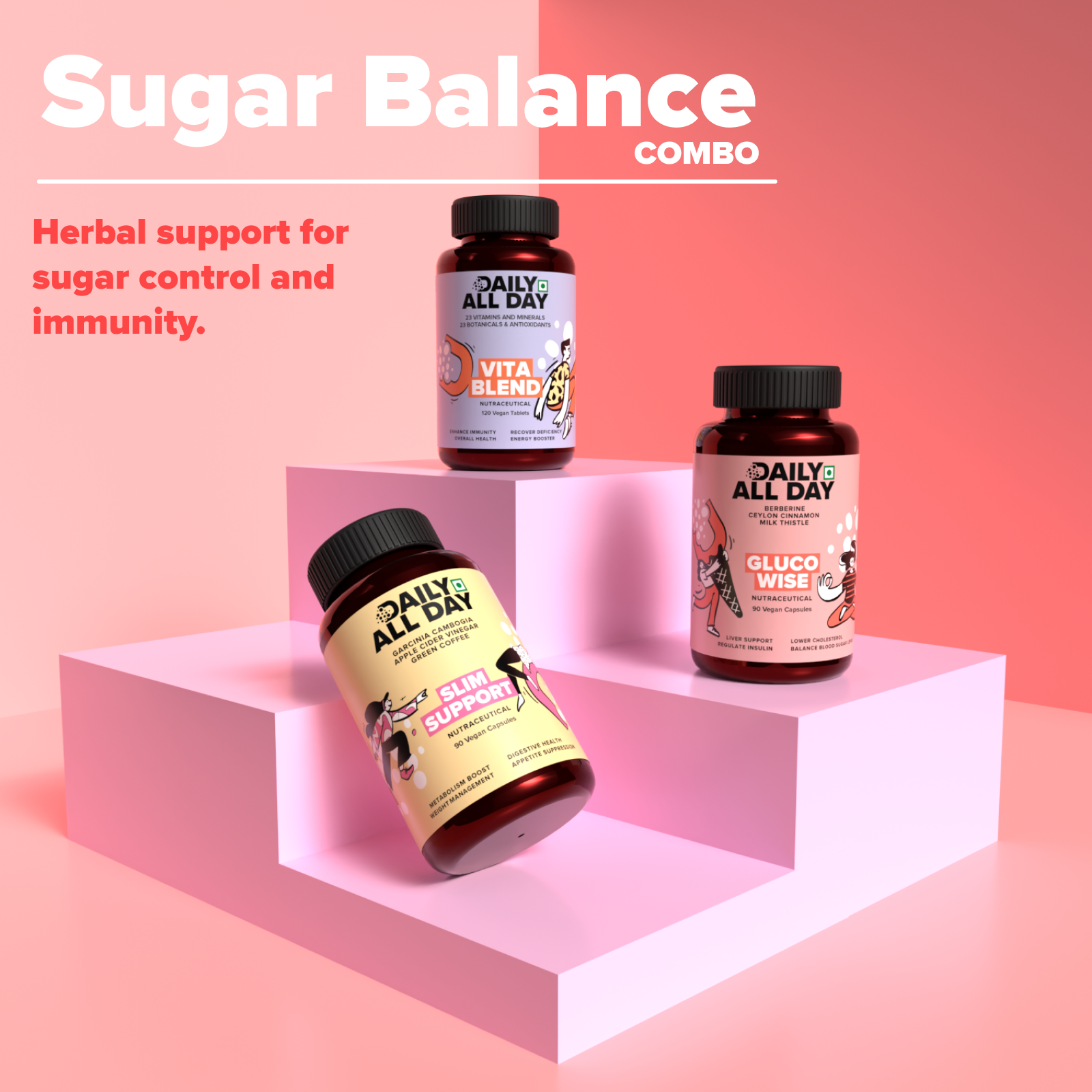
For Metabolic and Liver Support: Daily All Day Gluco Wise
This supplement is a unique combination of Berberine, Ceylon Cinnamon, and Milk Thistle. Here’s how it helps:
- Manages Cholesterol: Supports healthy cholesterol levels, crucial when consuming a high-ghee diet.
- Balances Blood Sugar: Helps regulate blood sugar and insulin, which can be affected by carb-heavy meals like Baati.
- Supports Your Liver: Milk Thistle is a star ingredient for liver health, aiding in detoxification and helping manage fatty liver, which can be a risk with high-fat diets.
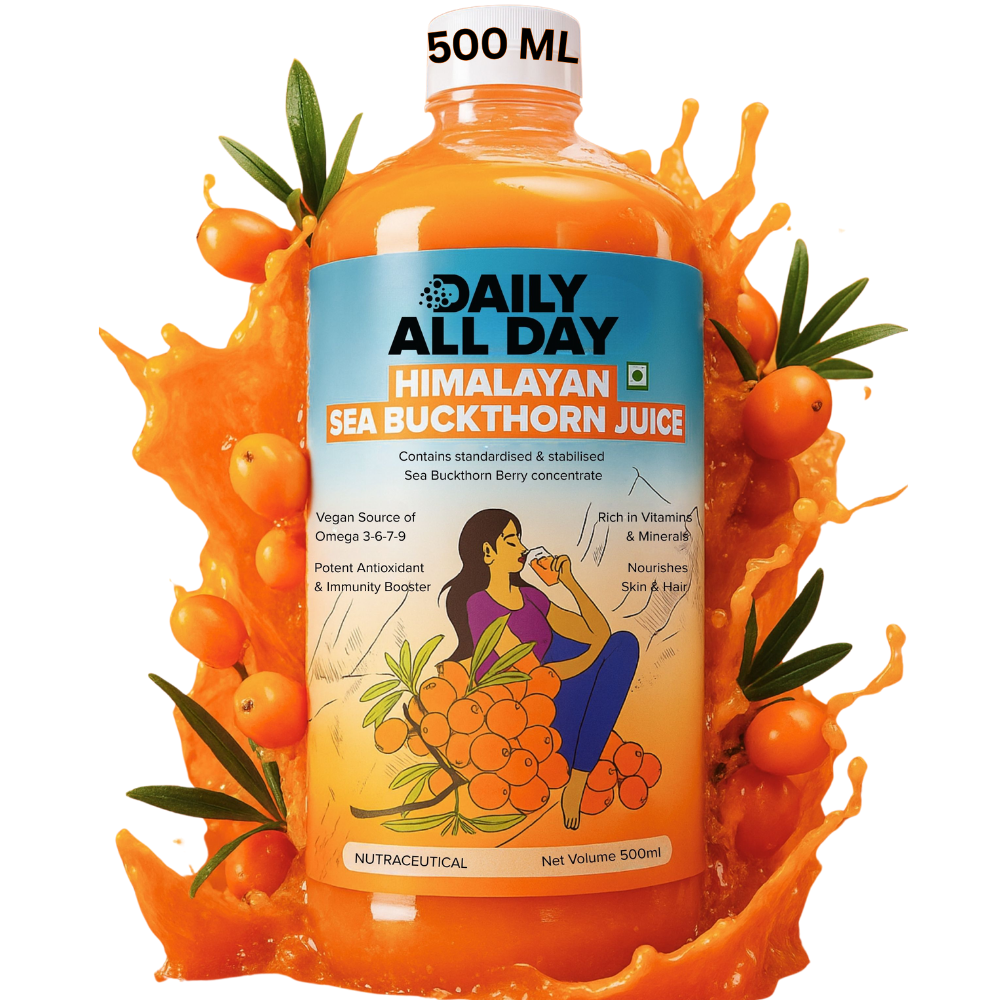
For Gut Health and Nutrient Absorption: Daily All Day Sea Buckthorn Juice
To counter the potential irritation from spices and support your gut, Sea Buckthorn is a fantastic choice.
- Soothes the Gut Lining: It’s rich in the rare Omega-7 fatty acid, which is known to support the health of mucous membranes, including the lining of your digestive tract. This can help calm irritation.
- Boosts Immunity & Skin Health: Packed with Vitamin C, antioxidants, and Omegas 3, 6, & 9, it helps fight oxidative stress and boosts your overall nutrient intake, leading to better immunity and glowing skin.
Frequently Asked Questions
- 1. Is it healthy to eat ghee every day?
- Yes, it can be healthy in moderation. A teaspoon or two of pure desi ghee per day is generally considered beneficial for most people. The key is to balance it with an overall healthy diet and an active lifestyle.
- 2. Can spicy food permanently damage your stomach?
- For most people, spicy food does not cause permanent damage like ulcers. However, it can certainly irritate the stomach lining and worsen symptoms of existing conditions like acid reflux, gastritis, or Irritable Bowel Syndrome (IBS).
- 3. How can I protect my gut while enjoying a Rajasthani diet?
- Balance is everything. Ensure you include plenty of fiber from salads and vegetables in your meal. Drink lots of water. Incorporating gut-soothing elements like yogurt or buttermilk (chaas) can also help. Supporting your gut with supplements like Sea Buckthorn juice can provide extra protection for the gut lining.
- 4. Does ghee really help with vitamin absorption?
- Yes, it does. Ghee is a fat, and vitamins A, D, E, and K are fat-soluble, meaning they require fat to be absorbed and utilized by the body. Adding ghee to your food can enhance the absorption of these essential vitamins.
- 5. What are the signs that a rich diet is negatively affecting my gut?
- Common signs include frequent bloating, gas, acidity, heartburn, a feeling of heaviness after meals, and inconsistent bowel movements (constipation or diarrhea). If you experience these regularly, it might be a sign that your diet is too rich for your digestive system to handle comfortably.

Finding Harmony in a Flavorful Diet
The traditional Rajasthani diet is a magnificent culinary experience, a testament to a rich culture that mastered flavor in an arid land. The generous use of ghee and a symphony of spices are what make it unique. While this diet offers benefits—ghee providing gut-loving butyric acid and aiding in the absorption of fat-soluble vitamins, and spices like turmeric offering anti-inflammatory perks[2]—it's a classic case of 'too much of a good thing'. For our modern, less physically demanding lifestyles, a constant intake of high fat and intense spice can challenge our digestive system. It can potentially lead to an imbalanced gut microbiome, inflammation, and hindered absorption of crucial nutrients.[5]
The key isn't to abandon this delicious heritage, but to find a sustainable balance. Listening to your body, incorporating fiber-rich foods, and staying hydrated are fundamental steps. For those who love this cuisine but worry about its long-term effects on cholesterol, blood sugar, and liver health, modern nutritional support can be a game-changer. Products like Daily All Day Gluco Wise, with its blend of Berberine, Cinnamon, and Milk Thistle, are designed to support metabolic health in the face of rich diets. Similarly, to soothe a gut potentially irritated by spices and to boost overall nutrient intake, Daily All Day Sea Buckthorn Juice offers a powerhouse of Omega-7, vitamins, and antioxidants to protect the gut lining and enhance wellness from within.[6] Embracing tradition while supporting your body with smart, targeted nutrition is the best way to enjoy the flavors you love without compromising your health.