
Table of Contents
- What is Research?
- Why Do We Need Research?
- Ingredients Deep Dive
- Quora QnA on Research
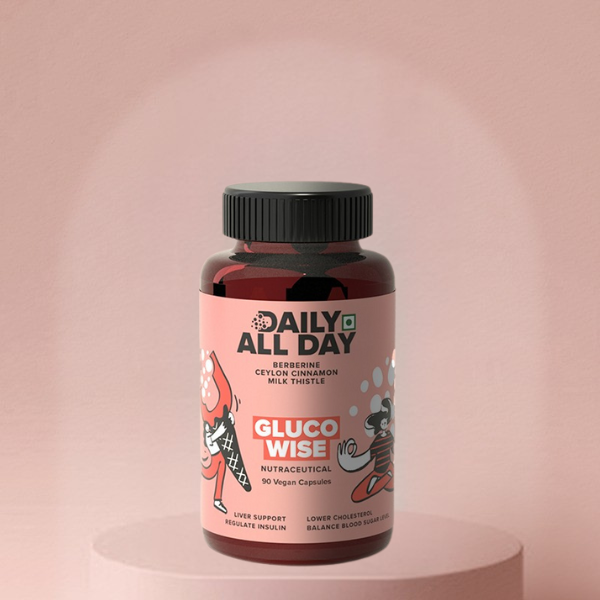
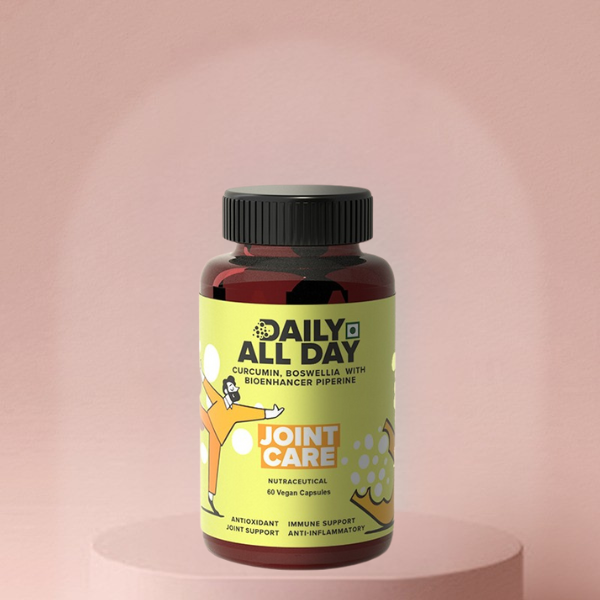
- Our Research-Backed Products
- Research in Daily Life: Real Examples
- Frequently Asked Questions
- Summary
What is Research?
Imagine you’re curious about why plants grow towards the light or why some foods help your body more than others. Finding the answer is the first step, but just guessing isn’t enough. That’s where research comes in—a careful process of asking, testing, and discovering answers through facts, not just opinions. Research uses experiments and studies, planned carefully by scientists, to get results we can trust. For example, how scientists find out the best natural ingredients for mental health through testing and studies.[1]
Why Do We Need Research?
- To solve problems: Whether it’s a health issue or a new technology, research helps us fix things.
- To make safe choices: Research tells us which ingredients or actions are safe and effective.
- For better products: Companies use research to create better medicines, foods, and supplements.
Without research, we might choose something just because someone said so, not because it truly works. For example, the rise of probiotics for gut health is backed by years of studies, not just trending news.[2]
Ingredients Deep Dive
Let’s take a closer look at how research helps us pick the best ingredients for top health benefits:
- Scientific method: First, researchers list all possible ingredients that might help a health goal (like turmeric for inflammation or ashwagandha for stress).
- Testing effectiveness: Ingredients get tested in labs and with volunteers to check the result.
- Checking safety: Research also checks if an ingredient could cause side effects.
- Ongoing improvement: As new research appears, products get better because companies can swap less effective ingredients for better ones.
For instance, ashwagandha has become very popular for stress relief, and its effects have been proven in several studies.[5] Because of this, many health brands, including Daily All Day, now offer high-quality ashwagandha supplements.
Quora QnA on Research
-
Why is research important in our daily lives?
- It helps us make better decisions, like eating the right foods or choosing good study habits.
-
What are the benefits of using research in healthcare?
- Doctors use research to pick the best treatments, making sure they actually help patients and have fewer side effects.
-
How do I know if a health product is really backed by research?
- Look for studies or links to research articles that show the product’s results are tested and proven—just like we do at Daily All Day.
As these answers show, research helps guide our everyday choices and proves whether something is actually safe and useful.[4]
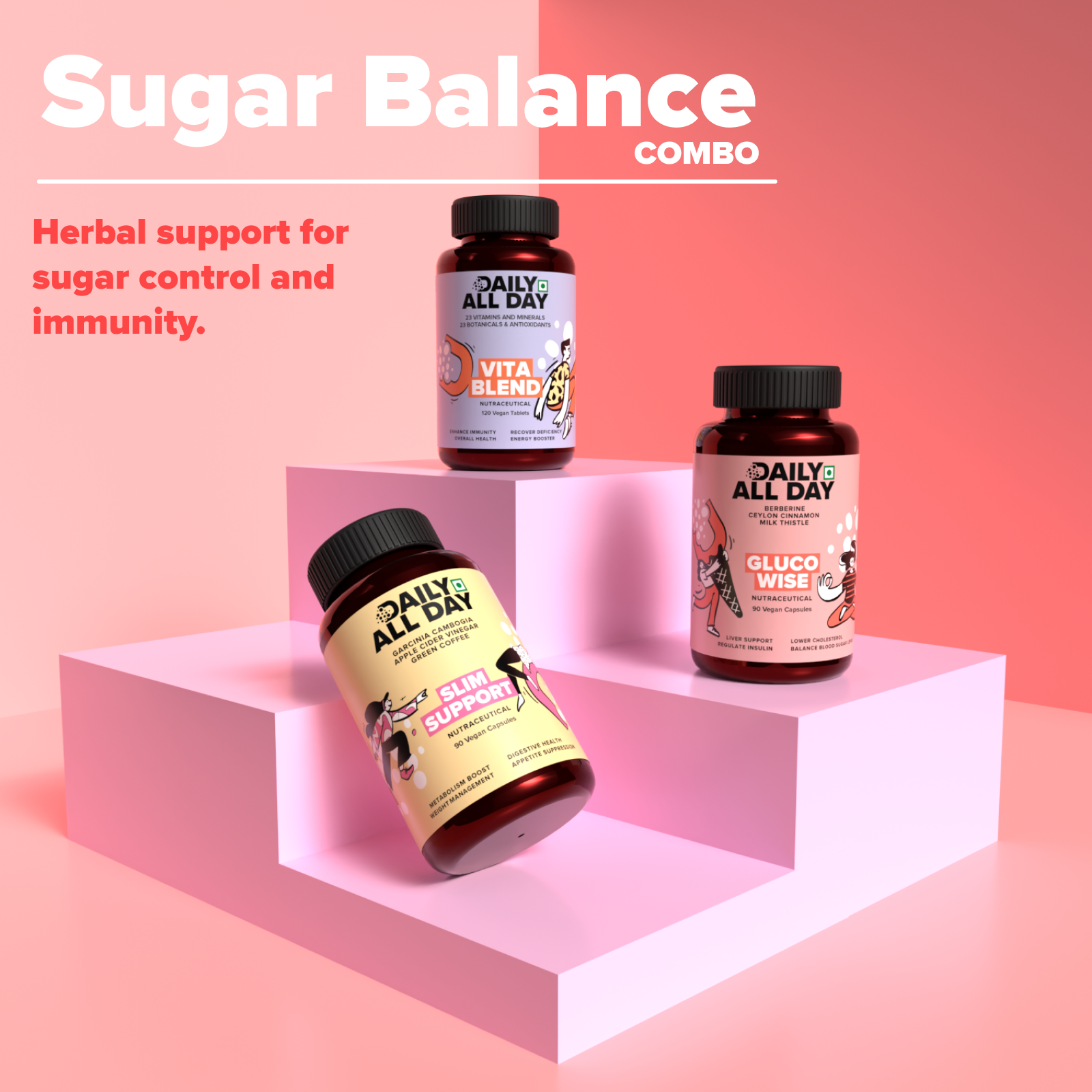
Our Research-Backed Products
At Daily All Day, every product is grounded in science. Here’s how:
- Scientific review: We select only ingredients with tested benefits.
- Constant update: Our team follows recent research to keep our products effective.
- Safety first: We use research to avoid unsafe or useless ingredients.
Examples:
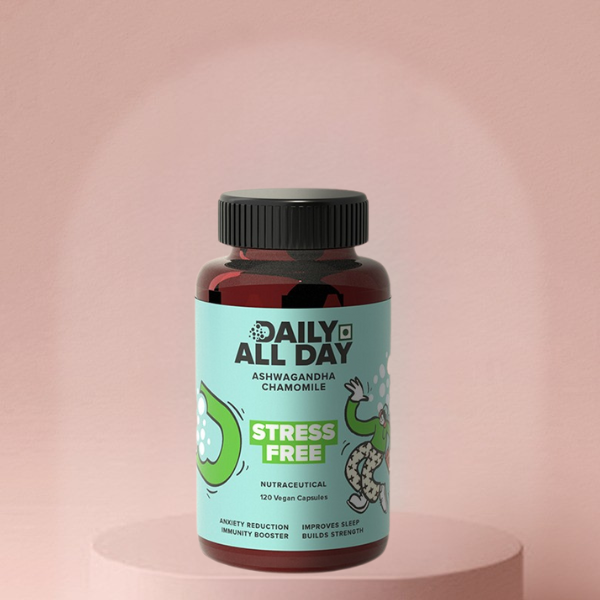
- Ashwagandha capsules – for calming the mind and lowering stress.
- Herbal mixes with moringa – supporting immunity and energy, with proven research.[6]
- Probiotic blends – for digestive health, inspired by international scientific findings.[2]
Research in Daily Life: Real Examples
These simple stories show why science and research are helpful every day:
- Health improvements: Grandma starts taking turmeric and feels less joint pain—because research showed it reduces inflammation.
- Better learning: A teacher tries out new ways of teaching math, based on studies, and students’ grades improve.
- Safe skincare: Teens choose face washes with safe natural ingredients, proven by research to handle acne better than harsh soaps.
Whenever you choose something because you read it was researched, you’re joining the chain of smart decision-makers!
Frequently Asked Questions
-
What is research?
- Research is a careful and planned way of finding out new facts and solving problems using tests, studies, and evidence. It avoids guessing and relies on facts.
-
How does research help in daily products?
- Research shows which ingredients are safe and work best, so you get quality and results you can trust.
-
Why is scientific research important for health?
- Scientific research helps doctors, nutritionists, and product makers choose the best ways to keep you healthy based on proof, not rumors.
-
Can I trust products that say ‘scientifically proven’?
- If they link to real studies or respected research, then yes. Always check if the proof is from trusted sources like PubMed or medical journals.
-
Are Daily All Day products based on research?
- Yes! Every ingredient in our product is chosen after reviewing recent scientific studies. Our experts keep up to date on new research findings.
Summary
Research guides us to make safer, smarter choices every day—whether in health, food, or study habits. Using science to back up our decisions means we live better, healthier lives. Let your curiosity lead you to facts, not just fads, and trust brands that take research seriously. Check out more on how scientific studies affect your choices in our other related blog posts!
In summary, research is an essential part of our daily lives, helping us solve problems, improve health, and understand the world around us. It brings truth out of confusion by using facts and detailed steps, just like scientists testing different medicines or teachers finding better ways to help students learn. Ingredients in our products are chosen based on strong scientific research, making them safe and effective. By using research, we also answer common questions from platforms like Quora, which millions rely on. Remember, embracing research-backed products—such as those from Daily All Day—can lead you to smarter, healthier decisions every day. Stay curious and trust information that's rooted in solid science. Check out related articles and facts in the links throughout this post to dig even deeper into how research guides your choices in life and health. [1] [2] [3] [4] [5] [6]