
Table of Contents
- Introduction: Changing Seasons, Shifting Health
- Food Habits Across Indian Regions (with Quora QnA)
- Seasonal Eating: The Central Indian Cycle
- Nutrition Gaps: What’s Missing and Why?
- Ingredients Deep Dive: Bridging the Gap with Daily All Day
- How to Fill the Gaps: Cultures, Food & Science
- Frequently Asked Questions
Introduction: Changing Seasons, Shifting Health
Imagine a hot summer, a cool monsoon, and a chilly winter—each season brings different crops to the markets of Central India. Yet, while farms bloom and wilt with the rains, people sometimes lose out on important nutrients. Seasonal eating is a tradition, but it also causes big nutrition gaps for families, especially in rural and tribal areas. Researchers have found that low diet diversity and seasonal shortages often lead to vitamin and iron deficiencies, making it hard for people to stay healthy all year round.[1]
Food Habits Across Indian Regions (with Quora QnA)
- South and East Indians often eat rice-based meals.
- Central and South-Central India (including Madhya Pradesh and Chhattisgarh) rely on millets like ragi and jowar.
More here - Many parts of Central India stick to simple, plant-heavy plates: jowar roti, dal, potatoes, and seasonal greens.
- The typical Indian meal—dal, sabzi, rice/roti, and salad—has very little protein and lots of carbs.
Learn why here - Vegetarian diets are common, which can cause vitamin B12 and iron deficiencies.
Why the difference? India’s vastness means each area grows unique crops and has its own traditions.
See Quora
Seasonal Eating: The Central Indian Cycle
How do the seasons affect what people eat?
- Monsoon (June–September): More tubers, leafy greens, and fruits; but heat and floods destroy some fresh produce and cause food shortages.
- Winter: Wheat, pulses, and stored grains dominate; fresh fruits and greens are less available.
-
Summer: Mango, cucumbers, and melon show up, but water scarcity and heat can limit food access.
UNICEF: Nutrition Diversity in India
These cycles shape what families put on their plates. During monsoon, for example, vitamin A-rich veggies become scarce. Storage problems and high costs make it worse, making it hard for families to get enough nutrients in every season.
Nutrition Gaps: What’s Missing and Why?
- Low Diet Diversity: Research shows that dietary diversity rates in Madhya Pradesh are just 14.1%, meaning most meals repeat the same limited grains and vegetables.[1]
- Iron Deficiency: Central India faces major iron gaps, leading to tiredness and poor focus, especially in children and women.[1]
-
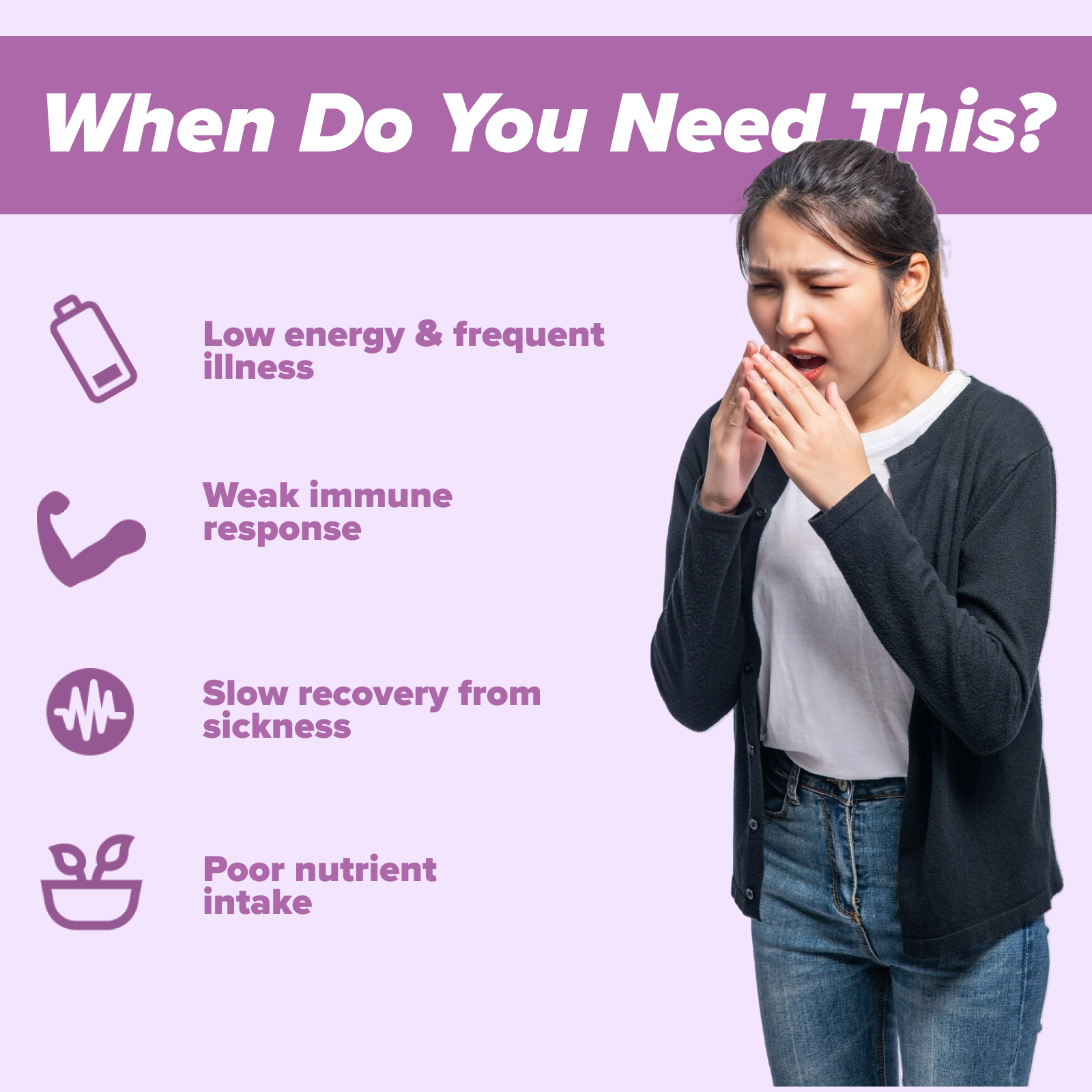
Vitamin A, D, B12 Gaps: Largely vegetarian diets fail to supply these, increasing risks for weak immunity, vision problems, and poor energy.
Quora Insight -
Protein Shortages: Plant-based meals often lack enough protein for muscle growth, healing, and daily energy needs.
Hidden hunger in tribal diets - Economic Inequality: The poorest families eat fewer calories and even less protein, leading to weaker health overall.[3]
- Women & Children Most at Risk: Hard work in fields plus household chores leaves women with little time to eat well, so they often face iron, protein, and vitamin gaps.[2]
- Cultural Traditions: Only 55% of families in Chhattisgarh grow their own vegetables, often only in monsoon, so diets are not diverse enough year-round.[5]
Ingredients Deep Dive: Bridging the Gap with Daily All Day
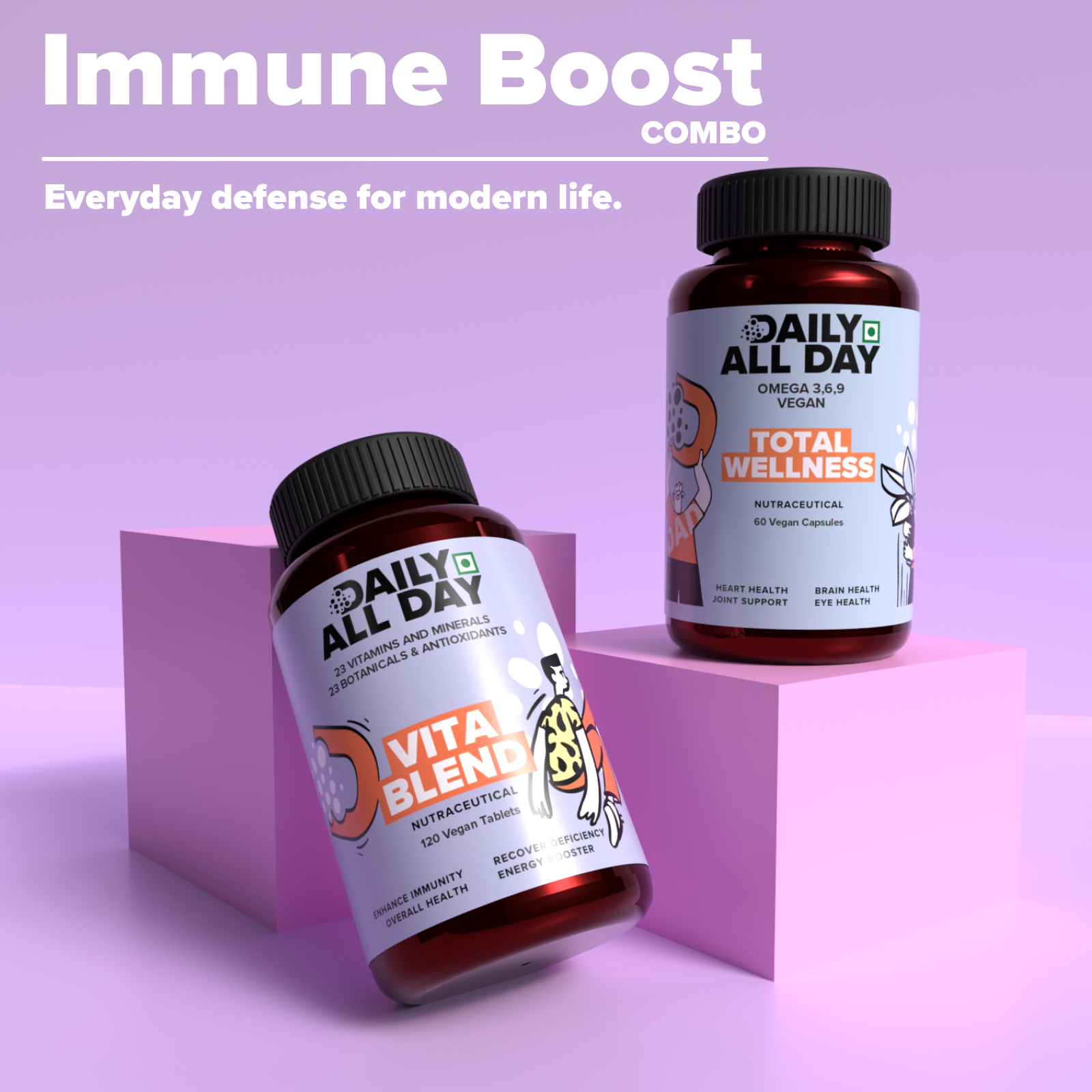
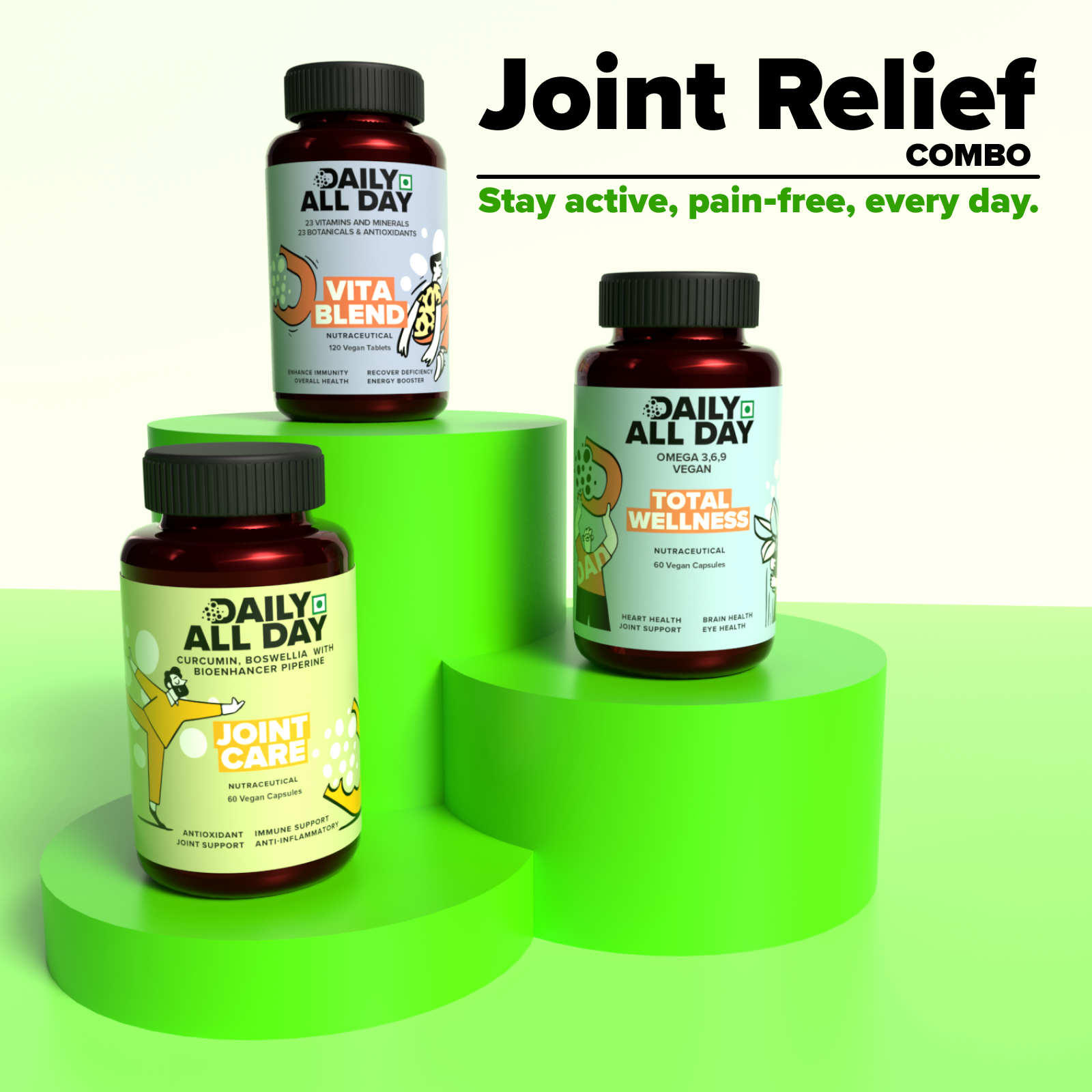
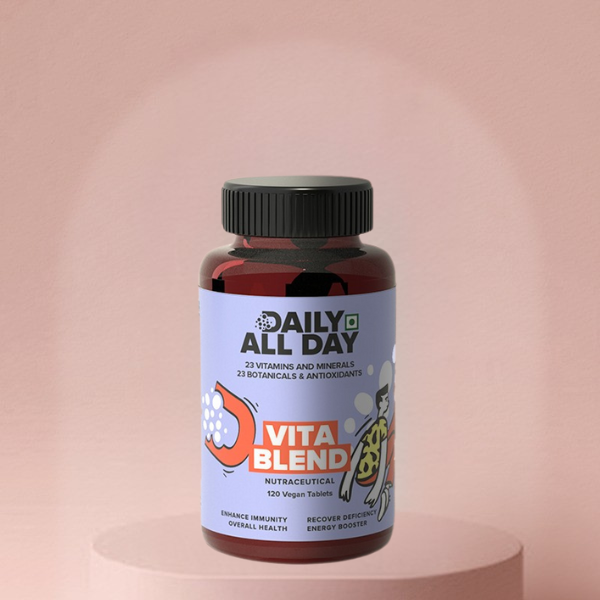
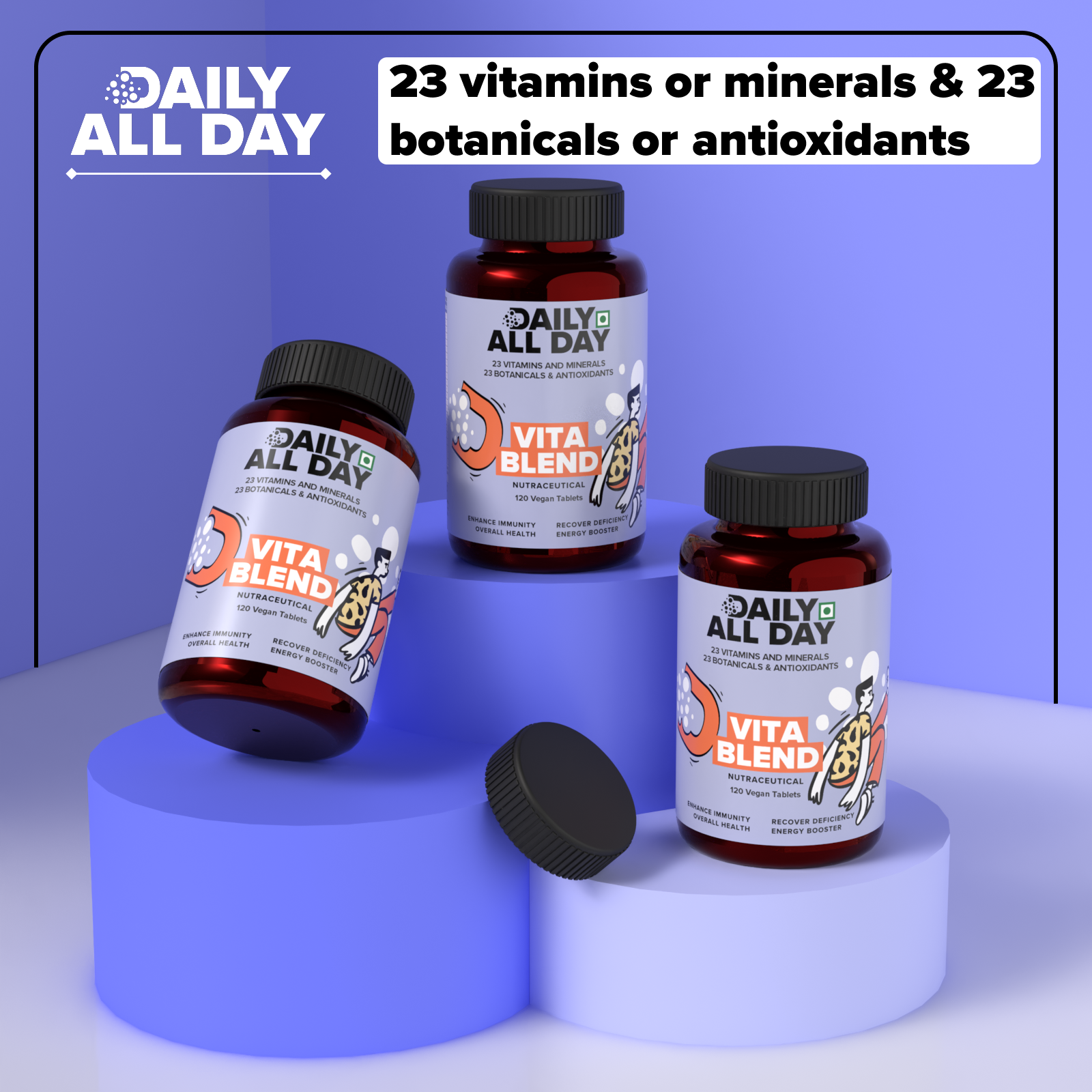
Supplements can fill these seasonal nutrition gaps. For example, Daily All Day Vita Blend is designed to help solve exactly these problems.
What’s Inside Daily All Day Vita Blend?
- 23 Essential Vitamins & Minerals: Includes Vitamin A (for eyes), B complex (energy, nerves), D3 (strong bones, immunity), E (antioxidant), Biotin (skin, hair), Iron (blood health), Zinc (immunity), and more.
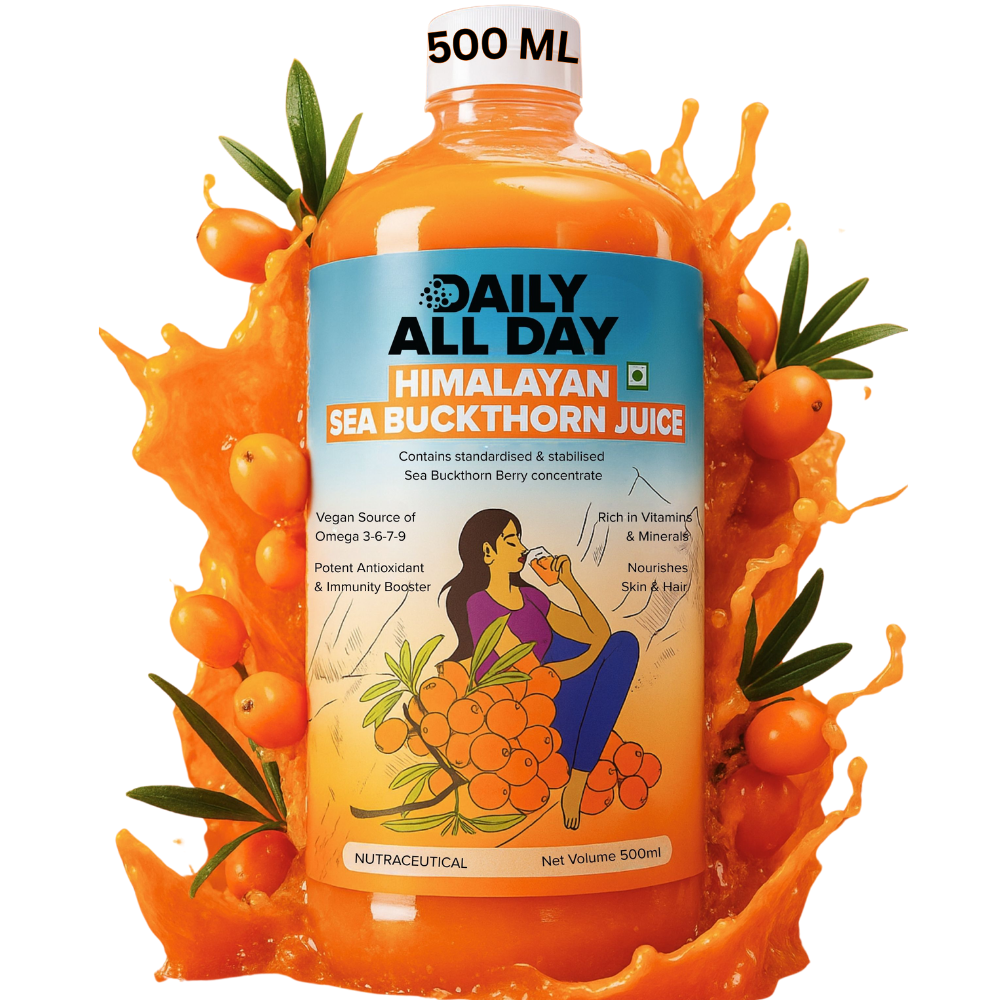
- 23 Potent Ayurvedic Herbs: Moringa and Ashwagandha for overall wellness and immunity; Curcumin (from turmeric) for fighting inflammation; Panax Ginseng for energy; Sea Buckthorn for skin and gut support; and Brahmi for mental clarity.
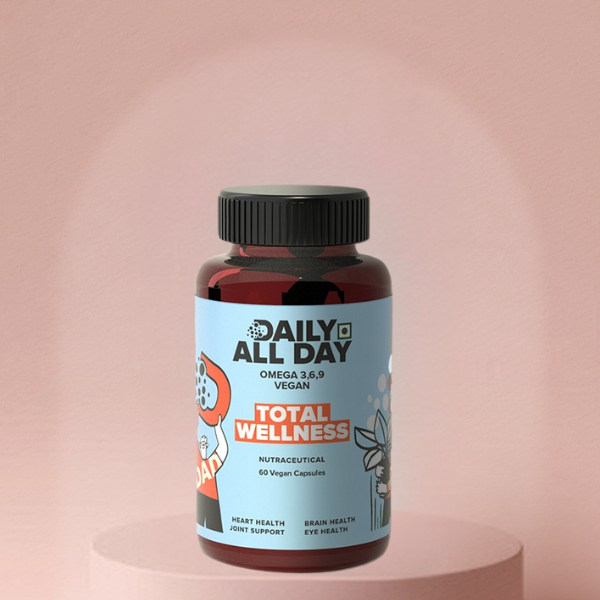
- Special Nutrients: Sunflower Phospholipids (brain health), Omega 3, 6, 9 (heart & brain), Astaxanthin (powerful antioxidant).
How Do These Ingredients Work?
- Improve Immunity & Energy: B vitamins, iron, zinc, and herbs like ashwagandha help your body fight infections and stay energized.[4]
- Support Gut Health: Moringa, sea buckthorn, and ginger support healthy digestion.
- Fill Protein Gaps: Certain herbs (like spirulina, moringa) are rich in plant protein and amino acids.
- Balance Seasonal Changes: Multivitamins fill gaps when foods are scarce or diets repeat too much.
See more about why natural diets still need nutrition support here.
Ingredient List Highlights: Per 600 mg Tablet
- Vitamin A (800mcg)
- Vitamin B12 (2.20mcg)
- Vitamin D3 (600 IU)
- Iron (10mg)
- Magnesium (180mg), Zinc (8mg)
- Astaxanthin (4mg), Sunflower phospholipids (10mg), Omega 3,6,9 (20mg)
- Ayurvedic extracts: Panax ginseng (10mg), Ashwagandha (5mg), Moringa leaves (10mg), Sea buckthorn (6mg), etc.
How to Use
Take 2 tablets daily after meals (one morning, one evening). Continue for at least 6-8 weeks for best results, along with a normal, varied diet and active lifestyle.
How to Fill the Gaps: Cultures, Food & Science
- Diversify Your Plate: Include as many different seasonal vegetables and fruits as possible. Try mixing grains (millets, wheat, and rice).
- Fortified Foods: Using fortified grains (like rice with added iron) is proven to fight anemia in poor regions.[5]
- Empower Women: When women have more say and time, families eat better.[2]
- Improve Storage: Dry or pickle surplus veggies & fruits to eat during lean seasons.
- Try Balanced Supplements: With products like Daily All Day, you get a blend that covers gaps ignored by seasonal foods.
Frequently Asked Questions
- 1. What is Ashwagandha?
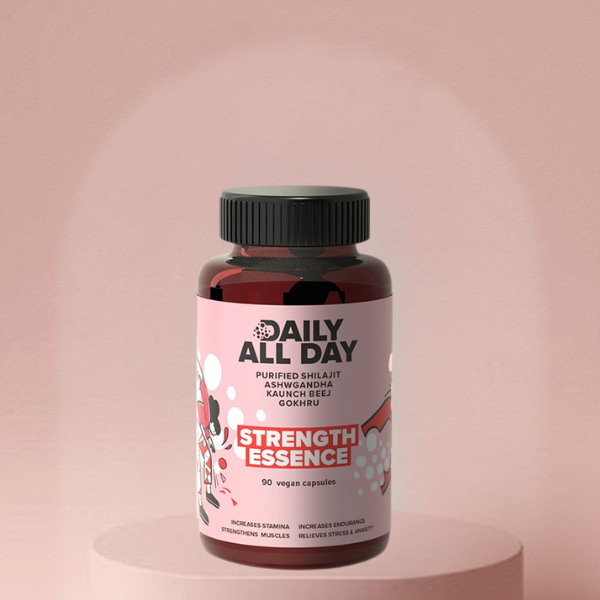
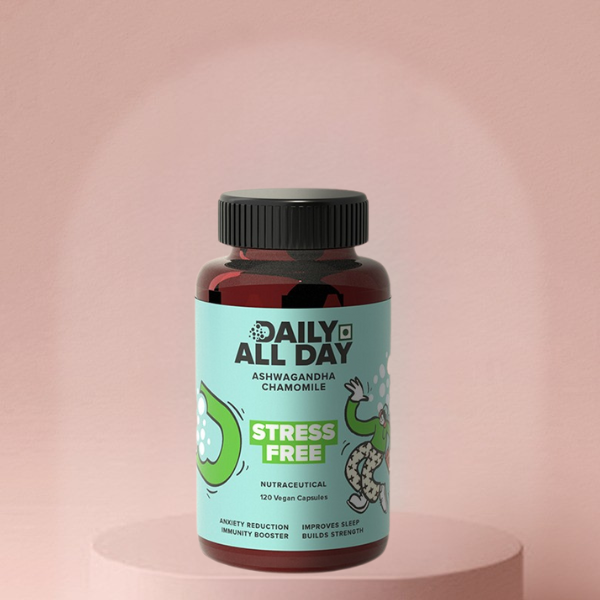
- Ashwagandha is a traditional Indian herb used for centuries to reduce stress, boost strength, and improve overall health.
- 2. How does Ashwagandha help with stress?
- It naturally lowers the body’s stress hormone (cortisol), helps relax the mind, and balances mood and energy.
- 3. Is Ashwagandha safe for everyone?
- Generally safe for adults, but not recommended for pregnant women or those with thyroid problems without a doctor’s advice.
- 4. What are the most common nutritional deficiencies in Central India?
- Iron, vitamin A, vitamin B12, and protein are most lacking, especially in poor or vegetarian families.[1]
- 5. Can supplements really help where diets are poor?
- Yes! Studies show that fortified foods and multivitamin supplements can raise nutrient levels and support better health in kids and adults.[4]
Want to learn more? Dive deeper into why men in India face nutrition gaps, or explore why natural diets alone don’t always meet your needs.
Seasonal eating in Central India is deeply influenced by agricultural cycles, limited diversity, and economic factors, leading to nutrition gaps, especially in rural and tribal populations. The lack of dietary variety, iron and vitamin deficiencies, and inadequate intake of other essential micronutrients contribute to the overall health burden. To address these, a focus on dietary diversity, women empowerment, improved storage, and affordable nutrition is necessary. Daily All Day Vita Blend provides a comprehensive solution with its mix of vitamins, minerals, and powerful Ayurvedic herbs, helping bridge these nutritional gaps and supporting families year-round. Remember, understanding the causes and finding sustainable, accessible solutions, like fortified foods and thoughtful supplementation, will help Central India move toward better wellness outcomes.
For more tips about the nutrition needs of the region and their solutions, check out our blogs on hidden hunger in tribal diets, why natural diets still need daily nutrition support, and men’s nutrition gaps in Indian diets.
Key takeaways are to combine seasonal foods with daily, broad-spectrum micronutrient support for protection against iron deficiency ([1]), and supplement when gaps persist, as research shows fortified foods and proper supplementation can drastically improve health outcomes for children and adults ([4], [5]).