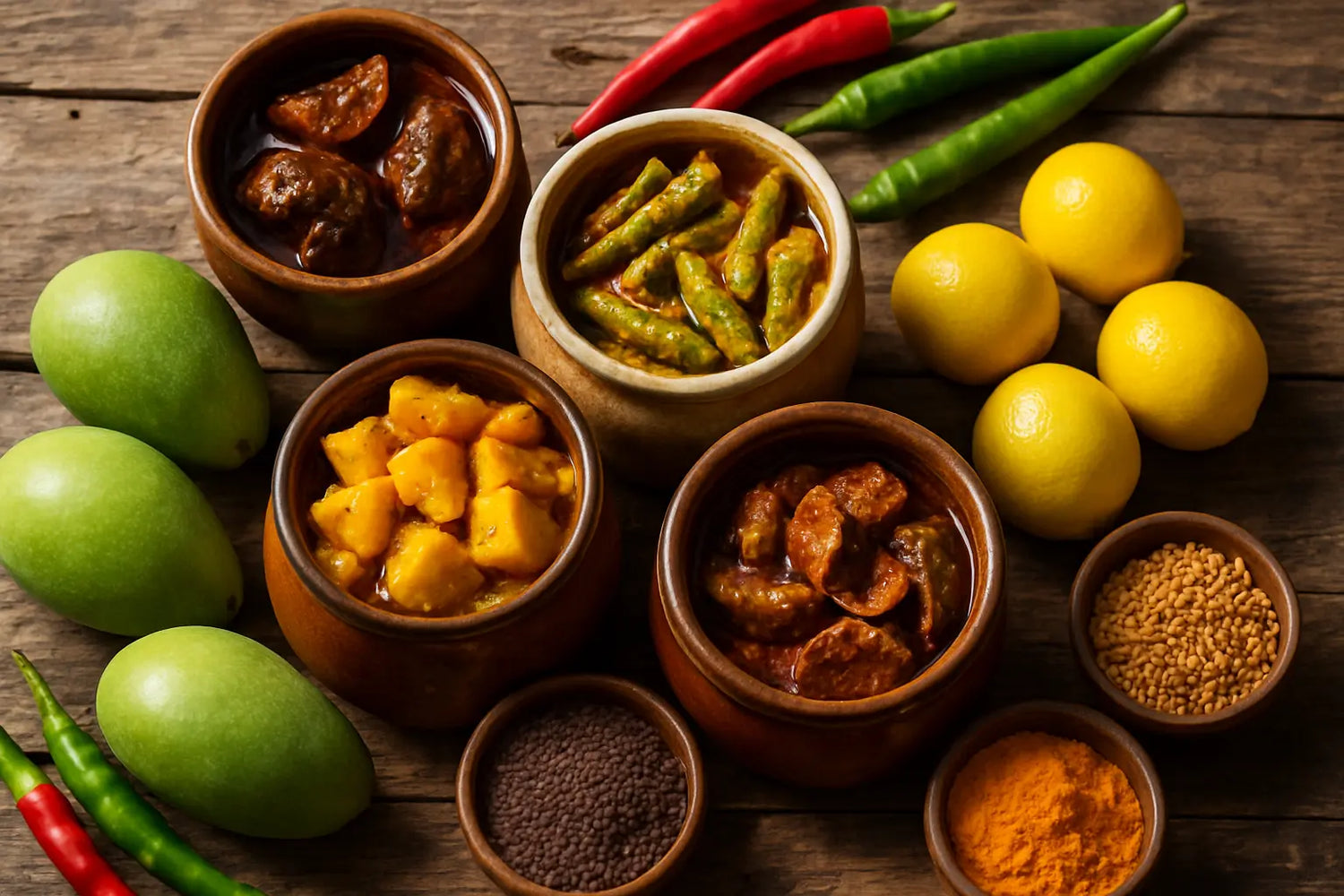
Picture a simple Indian meal: a plate of warm rice, a comforting bowl of dal, and a side of sabzi. What’s missing? For many, it’s that tiny spoonful of spicy, tangy pickle, or achaar, that instantly elevates the entire meal. This humble condiment has been a staple in Indian households for centuries. But beyond its explosive flavour, could this beloved Indian pickle actually be a secret weapon for your gut health? The answer is yes, but with a big 'if' attached—it all depends on how it’s made and, more importantly, how you eat it.
What Makes Traditional Pickles a Gut-Health Ally?
The magic of many traditional Indian pickles lies in one simple, ancient process: fermentation. Unlike the quick pickles you find in supermarkets that are just soaked in vinegar, our traditional recipes often involve letting salted vegetables or fruits sit for weeks. During this time, something amazing happens.
- Probiotic Power: Natural, good bacteria called lactic acid bacteria (LAB) get to work. They feed on the natural sugars in the ingredients and produce lactic acid. This not only preserves the pickle but also populates it with probiotics.[3] These are the same friendly bacteria found in yogurt and other fermented foods that are essential for a healthy gut.[4]
- Gut Microbiome Diversity: A healthy gut is like a bustling city with many different types of residents (bacteria). Probiotics from fermented pickles add to this diversity. A more diverse gut microbiome is linked to a stronger immune system, better digestion, and even improved mental health.[1] Studies have shown that traditionally fermented foods can significantly diversify your gut bacteria.[5]
- Improved Digestion: The spices used in pickles aren't just for flavour. They are powerful digestive aids that have been used in Ayurveda for centuries. They help stimulate the secretion of digestive juices, making it easier for your body to break down food and absorb nutrients.
Ingredients Deep Dive: The Heroes Behind the Jar
Let's break down what goes into a typical Indian achaar and why each component is special.
The Main Event: Fruits and Vegetables
Whether it's a tangy mango achaar, a sharp amla achar, or a fiery hari mirch ka achar, the base ingredient brings its own benefits. Mangoes and amla are rich in Vitamin C and antioxidants. Carrots, used in gajar ka achar, provide Vitamin A. These fruits and veggies also contain fibre, which acts as a prebiotic—food for your good gut bacteria.
The Spice Mix: A Symphony of Benefits
- Turmeric (Haldi): Known for its powerful anti-inflammatory compound, curcumin, turmeric helps calm gut inflammation and supports the intestinal lining.[6]
- Fenugreek (Methi): These small seeds are rich in soluble fibre, which helps with bowel regularity and can soothe an upset stomach.
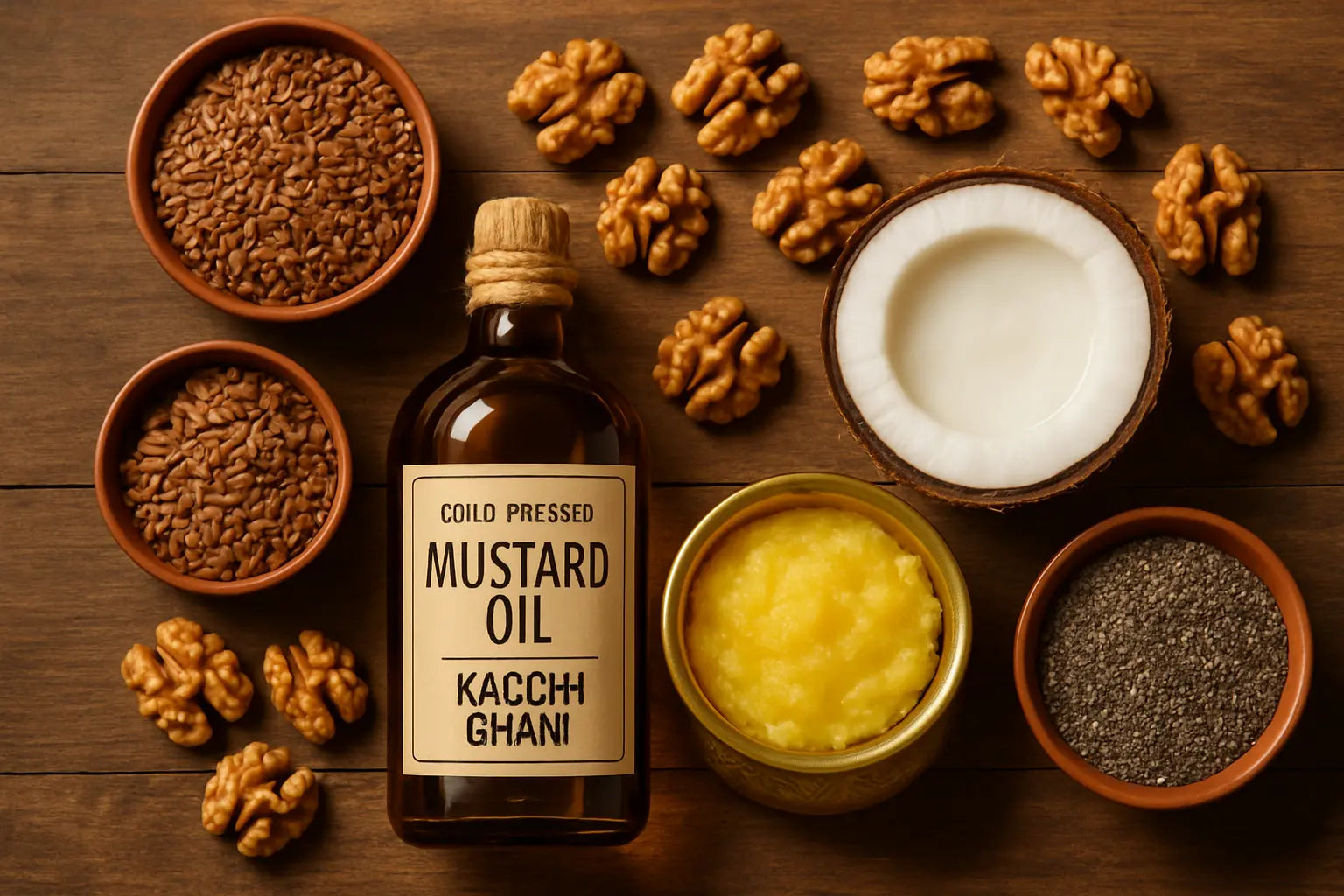
- Mustard Seeds (Rai): They have properties that can help stimulate appetite and aid digestion. The oil extracted from them is a traditional preservative.
- Asafoetida (Hing): A true gut-saver, hing is famous for its carminative properties, which means it helps prevent and relieve gas and bloating.
- Ginger and Garlic: Both are known for their antimicrobial properties, which can help keep harmful gut bacteria in check while supporting the good guys.
The Catch: When Pickles Can Harm Your Gut
So, if pickles are so great, why can't we eat them by the bowlful? This is where the “consume right” part comes in. The very things that preserve pickles can also cause problems if you overdo it.
- The Salt Overload: Traditional pickles use a lot of salt to prevent spoilage. While a little salt is necessary for our bodies, too much can lead to high blood pressure, water retention, and can even harm the delicate balance of your gut microbiome over time.
- The Oil Factor: Many pickles, especially the mango achaar or lal mirch ka achar, are submerged in oil. This high-fat content adds a lot of calories and can trigger acidity, heartburn, or GERD in sensitive individuals.
- The Spice-o-Meter: A spicy chilli pickle or mirchi ka achar can be delicious, but for someone with a sensitive stomach, IBS, or stomach ulcers, it can cause significant irritation and discomfort.
- Hygiene is Key: A poorly prepared or stored pickle can become a breeding ground for harmful bacteria and mould. Always use a clean, dry spoon and discard any batch that smells off or looks mouldy.
How to Eat Pickles the Right Way for a Happy Tummy
Enjoying pickles without any negative side effects is easy if you follow these simple rules:
- Portion Control is Everything: Think of pickle as a functional garnish, not a side dish. A teaspoon (about 5-10 grams) per meal is a good limit. This gives you all the flavour and benefits without the overload of salt and oil.
- Pair it Wisely: Don't eat pickles on an empty stomach. The best way to have them is with a balanced meal. The fibre from dal, rice, and vegetables helps buffer the spice and salt. Pairing a spicy mirchi achar with cooling curd or buttermilk is a classic combination for a reason—it balances the heat.
- Choose Traditional Over Commercial: Homemade or traditionally made pickles are your best bet. Many mass-produced pickles are made with excess vinegar, sugar, and synthetic preservatives, which lack the probiotic benefits of natural fermentation.
- Listen to Your Body: If you have health conditions like high blood pressure, kidney disease, or severe acidity, you need to be extra cautious. It's best to consult a doctor or nutritionist about whether you should include pickles in your diet.
Quora Q&A: Your Pickle Questions, Answered!
People are always curious about the health impact of pickles. Here's what the community thinks, backed by what we know:
-
Are pickles healthy for you?
Yes, they absolutely can be! As one Quora user points out, Indian pickles boost your gut's immunity. This is largely thanks to the fermentation process creating probiotics and the inclusion of powerful ingredients like turmeric, which has anti-inflammatory benefits.[7] -
Should we eat pickles?
Yes, in moderation. They add flavour and can offer health perks like improving digestion and balancing gut flora. The key is not to overeat them. Treat them as a taste enhancer. -
What are the health benefits of homemade pickles?
Homemade pickles are generally healthier because you control the ingredients. You can ensure high-quality oil, the right amount of salt, and avoid artificial preservatives. They are more likely to be properly fermented, thus offering more probiotic benefits for your gut.
Beyond Pickles: Supercharging Your Gut Health
While pickles are a great addition, a truly healthy gut requires a more comprehensive approach. If you frequently deal with issues like bloating, constipation, or gas, your body might need more support.
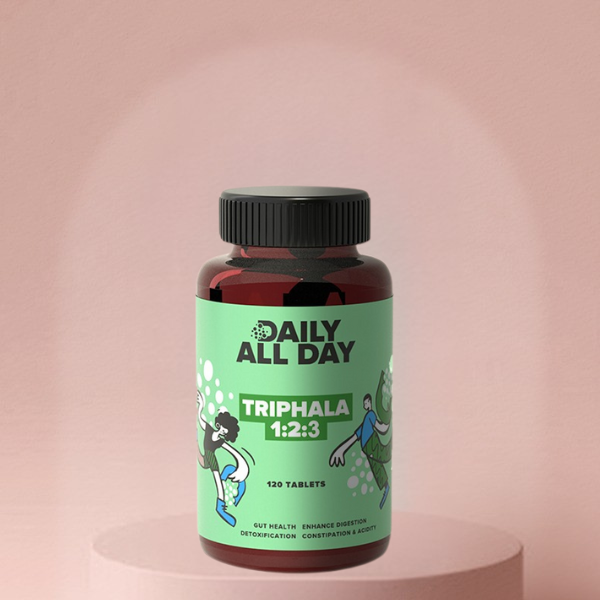
Daily All Day Triphala 1:2:3
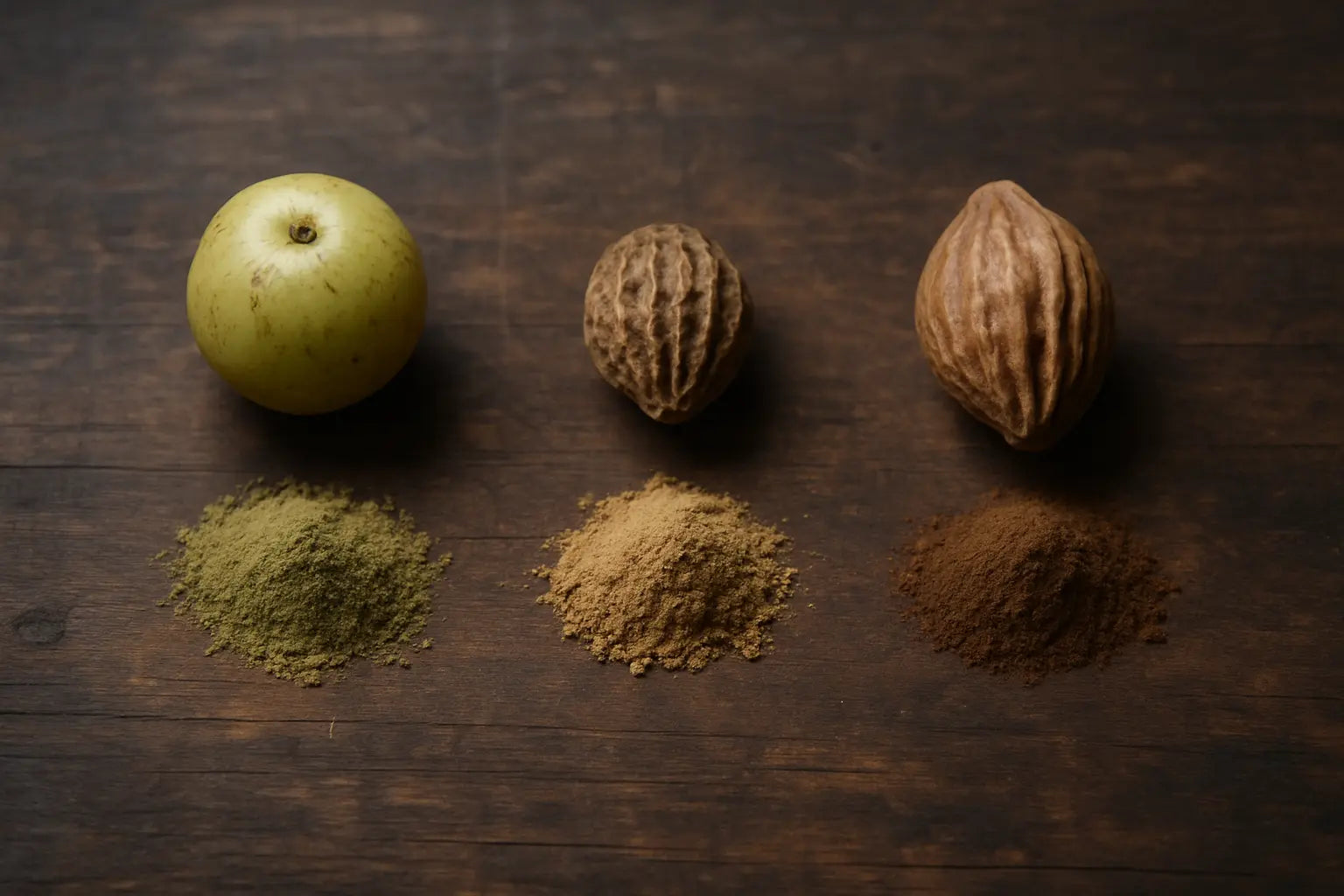
Triphala is a legendary Ayurvedic home remedy used for centuries in Indian homes for digestive wellness. Our Daily All Day Triphala 1:2:3 is based on a traditional formula from the ancient text Ashtanga Hridayam by Maharishi Vagbhata. It contains:
- Amla (250mg): Rich in Vitamin C, it helps boost immunity and cools the stomach.
- Baheda (167mg): Aids in detoxification and supports respiratory health.
- Harad (83mg): Famously known to improve digestion and relieve constipation.
This powerful blend helps reduce bloating, cleanses the colon, and promotes regular, healthy bowel movements, making it an excellent daily supplement for maintaining gut health.
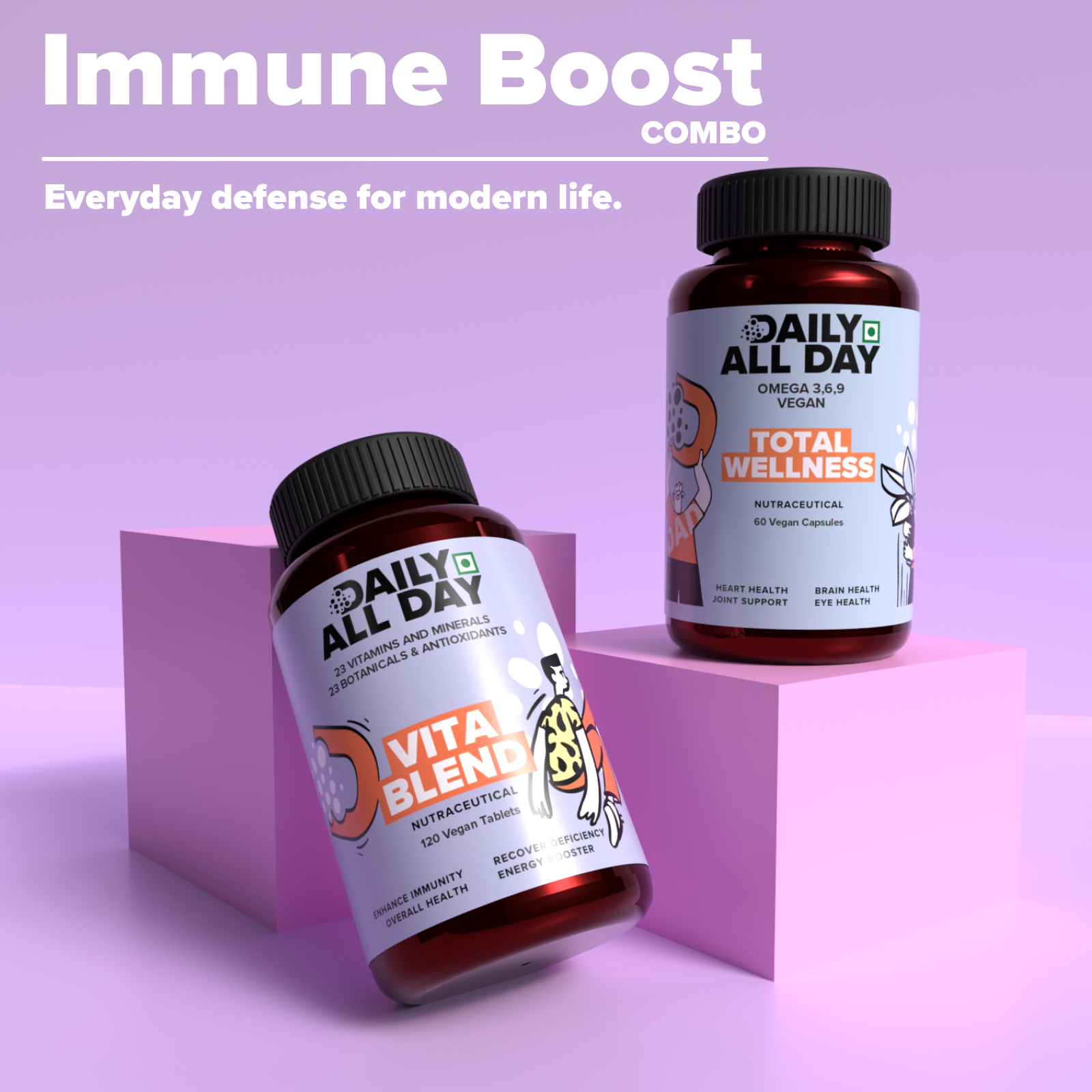
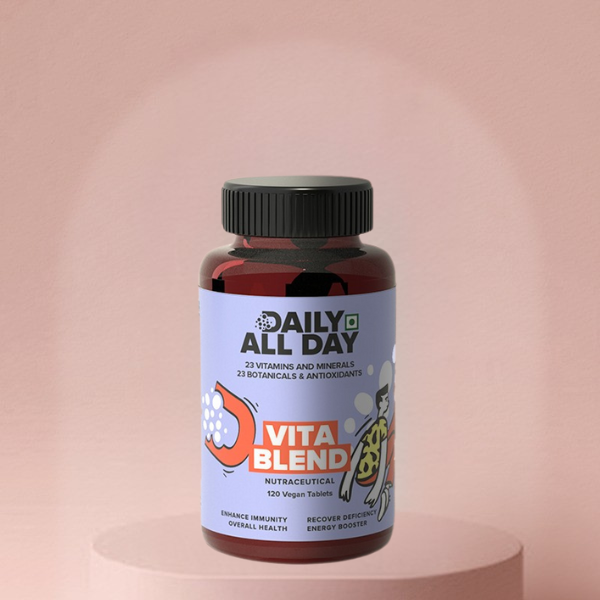
Daily All Day Vita Blend
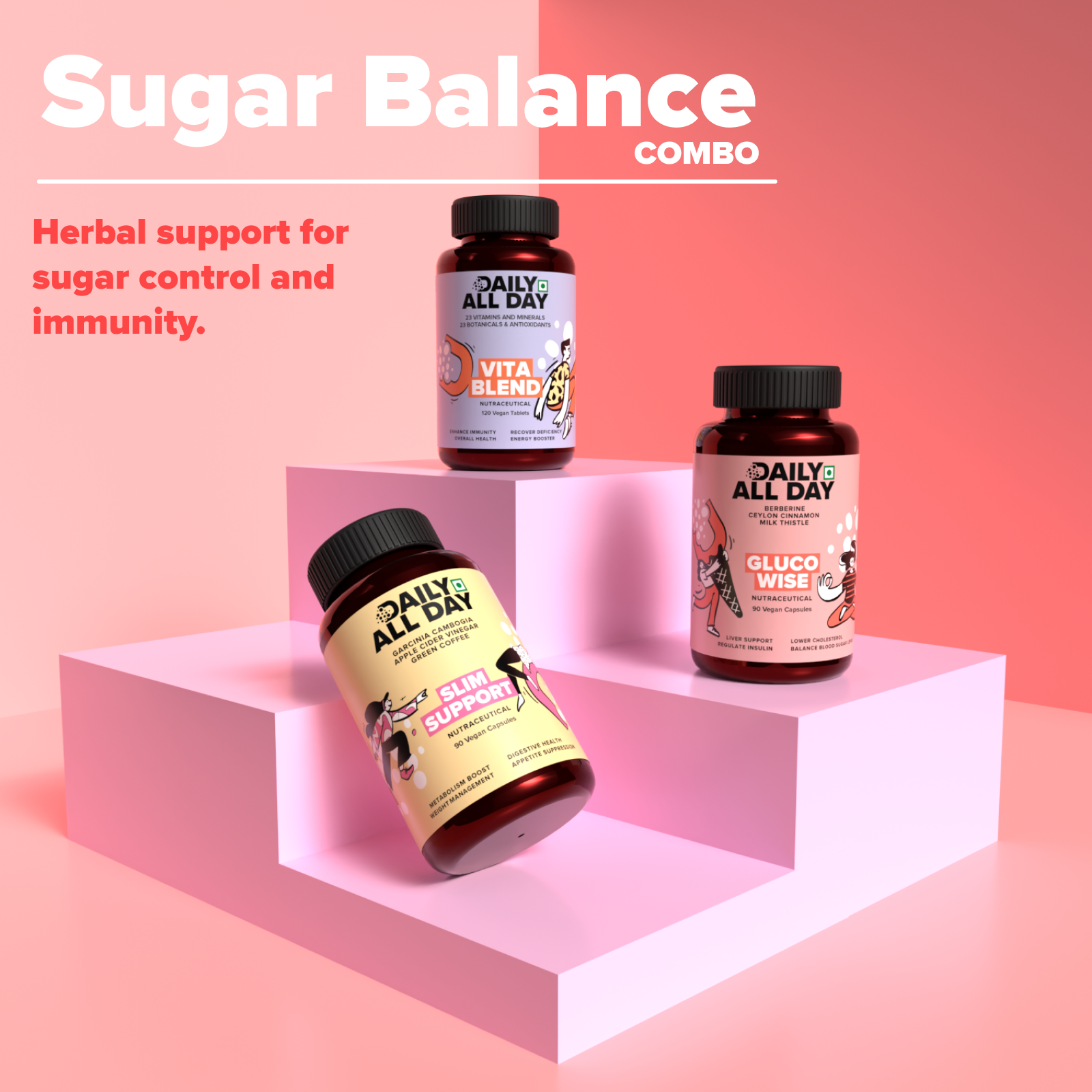
A healthy gut needs a wide range of nutrients to function optimally. A deficiency in key vitamins and minerals can impact everything from your energy levels to your digestive health. Daily All Day Vita Blend is a complete nutritional supplement designed to fill these gaps.
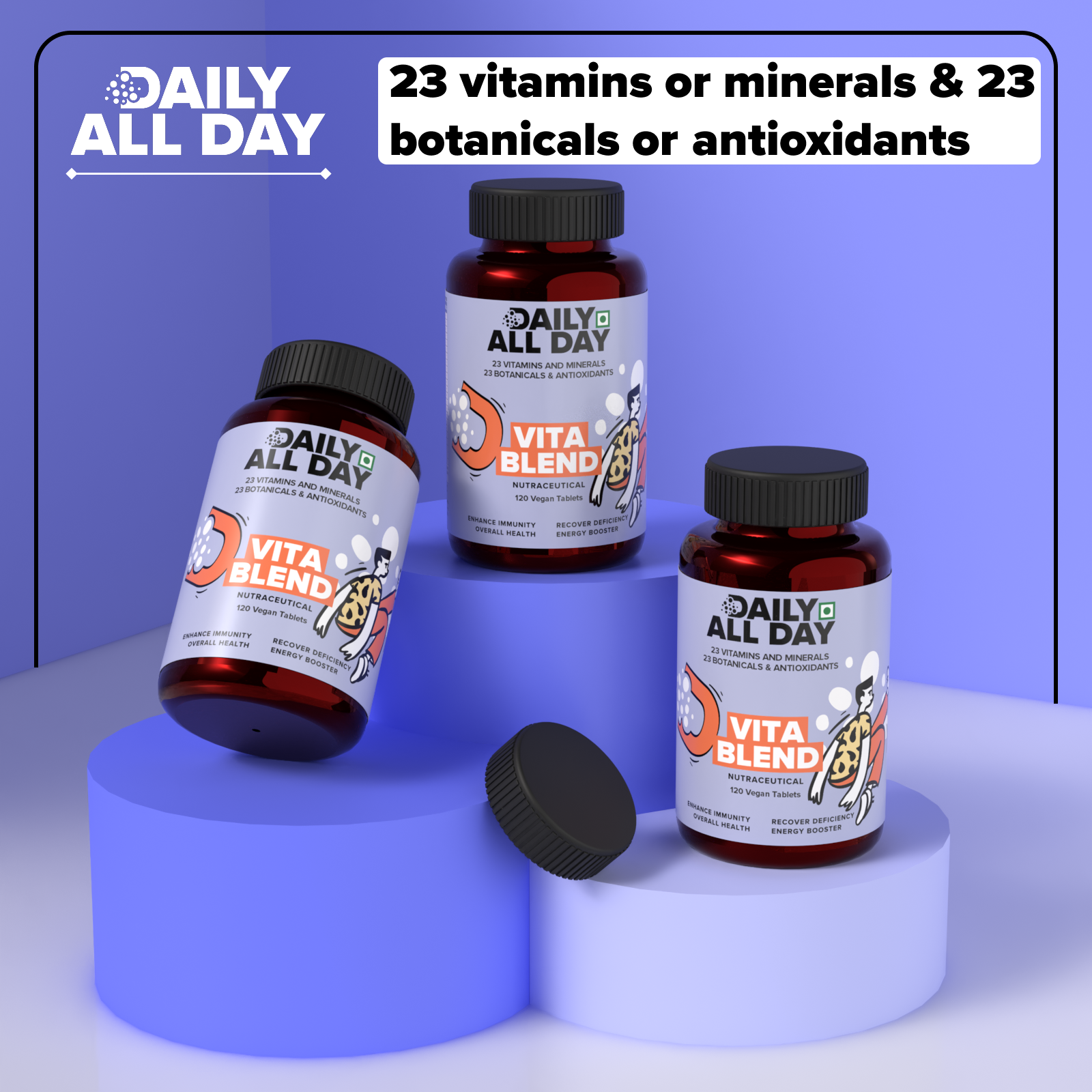
- 46+ Ingredients: It combines 23 essential vitamins and minerals with 23 powerful Ayurvedic herbs like Ashwagandha, Curcumin, and Moringa.
- Holistic Support: This blend not only improves gut health and nutrient absorption but also boosts immunity, increases energy, and enhances overall strength and wellness.
By pairing a mindful approach to diet with targeted supplements, you can create a strong foundation for lifelong health.
Frequently Asked Questions
- 1. Are all Indian pickles good for gut health?
- - Not all of them. The most beneficial pickles are those made through traditional fermentation, which contain live probiotics. Mass-produced, vinegar-based pickles that contain sugar and artificial preservatives do not offer the same gut-health benefits.
- 2. How much pickle should I eat in a day?
- - A small amount is best. Aim for about one to two teaspoons (5-10g) per meal, once or twice a day. This is enough to get the flavour and digestive benefits without consuming too much salt and oil.
- 3. Can pickles cause acidity?
- - Yes, for some people. Pickles that are very spicy, oily, or sour can trigger acidity or heartburn, especially if you have a sensitive stomach, GERD, or consume them on an empty stomach.
- 4. What is the difference between fermented pickles and vinegar-based pickles?
- - Fermented pickles are preserved using salt and the natural lactic acid produced by good bacteria. This process creates probiotics. Vinegar-based pickles are preserved in an acidic brine (vinegar), which is a faster process but does not create probiotics.
- 5. Are store-bought pickles healthy?
- - It depends. Many commercial pickles are not fermented and contain high levels of sodium, sugar, and artificial additives. Look for labels that mention “naturally fermented” and have a simple ingredient list. However, homemade or pickles from trusted small producers are often a better choice.

Traditional Indian pickles are more than just a flavourful side dish; they are a potential powerhouse for your digestive wellness. When made through natural fermentation, they introduce beneficial probiotics to your system, helping to diversify and strengthen your gut microbiome. The blend of digestive spices like turmeric, fenugreek, and asafoetida further supports a healthy gut. However, the secret lies in mindful consumption. Because of their high salt and oil content, pickles should be treated as a condiment—a small teaspoon to enhance your meal, not a large serving to replace a vegetable dish. Overconsumption can lead to issues like high blood pressure, acidity, and gut irritation, completely negating their benefits. The healthiest choice is always a traditionally prepared, homemade pickle with minimal preservatives.
To build a truly resilient digestive system, it’s wise to look beyond just one food item. A holistic approach that includes a balanced diet, regular exercise, and targeted nutritional support can make all the difference. For those looking to manage common digestive issues like bloating, gas, and constipation, supplementing with a trusted formula like Daily All Day Triphala 1:2:3 can provide gentle and effective relief. Its traditional Ayurvedic blend cleanses the colon and promotes regular bowel movements. For overall vitality that starts from within, Daily All Day Vita Blend offers a comprehensive mix of vitamins, minerals, and herbs to boost immunity, energy, and support optimal gut health. By enjoying your favourite achaar in moderation and supporting your body with the right nutrients, you can pave the way for a healthier, happier gut.[2]