
Table of Contents
- A Simple Start: Why Turmeric for Skin?
- Turmeric Ingredients Deep Dive
- How Does Turmeric Fade Dark Spots?
- What Science Says: Research & Proof
- How to Use Turmeric for Skin Care
- Quora Q&A: What Do Real People Say?
- Daily All Day Products with Turmeric & More
- Precautions: Can Turmeric Cause Side Effects?
- Frequently Asked Questions
A Simple Start: Why Turmeric for Skin?
Imagine walking through an Indian market—there’s the unmistakable spicy scent, the golden color of haldi (turmeric), and the sound of elders sharing family secrets for glowing, spot-free skin. One tip is passed down through generations: using turmeric for dark spots. But does it really work on pesky marks and
pigmentation? Can Curcuma longa (the Latin name for turmeric) and its active part, curcumin, give you clearer, even skin? Let’s break it down in simple terms using science and stories, all while answering “Can turmeric fade dark spots?” right in the beginning for anyone searching for answers.
Turmeric Ingredients Deep Dive
Turmeric is more than a kitchen spice. Here’s what’s inside that makes it so powerful for your beauty routine:
- Curcumin – The main hero of turmeric, curcumin, is a bright yellow pigment. It's famous for being an antioxidant (fights cell damage) and anti-inflammatory (soothes redness & spots). Most results you hear about turmeric for skin—are really thanks to curcumin[1].
- Turmerones & Essential Oils – These natural oils add extra benefits, such as protecting the skin barrier and keeping it soft.
- Vitamins & Phytochemicals – Turmeric contains vitamins like C, E, and plant chemicals that defend against pollution, dust, and UV damage, which can make dark spots worse.
- Other Names – You may hear turmeric called: haldi (Hindi), curcuma longa, turmeric kurkuma, c longa, curcumen, white turmeric (for Curcuma zedoaria), wild turmeric, kali haldi or black turmeric, kasturi haldi, and amba haldi.
How Does Turmeric Fade Dark Spots?
Dark spots form when your skin makes extra melanin—usually after a pimple, rash, or too much sun. Here’s how turmeric helps:
- Curcumin blocks tyrosinase, an enzyme that makes melanin. Less tyrosinase means less dark pigment!
- Soothes skin inflammation (redness and swelling), which can make dark spots look worse.
- Protects from oxidative stress, a fancy way of saying it shields your skin from pollution and bad things that age and damage skin[5].
- Helps skin healL—from old marks to small wounds, turmeric can speed up recovery and minimize scar tissue[3].
- Traditional recipes like haldi milk and turmeric teas have been used for glowing, spot-free skin.
That’s why “haldi powder in english” and “curcumin tablets” are so popular in beauty searches!
What Science Says: Research & Proof
- Studies show turmeric extracts reduce skin inflammation and even help skin retain moisture, so your skin barrier stays strong[1].
- Clinical tests find that creams with turmeric can lighten dark spots and even out skin tone by as much as 14% within four weeks (in some studies).
- Turmeric’s antioxidant power also helps skin heal faster after breakouts, reducing the chance of stubborn marks.
- Herbal creams blended with turmeric (and sometimes other natural ingredients) show antibacterial effects, fighting acne, blemishes, and uneven color[3].
- Even inside the body, turmeric curcumin fights inflammation—which is useful for joint pain and other swelling issues too[4].
- Turmeric is used in many trending products: kojic acid and turmeric cleansing pads, turmeric masks, turmeric milk, ginger turmeric shot, amla turmeric and ginger juice.
- See more about how traditional Indian cooking uses spices for gut health in our gut health blog.
How to Use Turmeric for Skin Care
Looking to try turmeric for your skin? Here’s what actually works, both at home and with products:
- Turmeric-infused creams or soaps: Regularly applying these can help fade dark marks over weeks[3].
- DIY Masks: Mix a pinch of turmeric powder (or organic turmeric powder) with honey or yogurt. Apply to clean skin for 10 minutes, then rinse off. Be careful—it stains!
- Turmeric with white haldi or kasturi haldi: Known to be milder and less likely to stain your face yellow.
- Pairing with black pepper (piperine): Ingested turmeric is better absorbed with piperine, which is why many supplements add it!
- Turmeric shots and amla, ginger, turmeric teas: These are famous for boosting inner body health which reflects on your face.
- For more on Indian herbs, check how ayurvedic herbs fit with modern diets.
Quora Q&A: What Do Real People Say?
-
Can turmeric help fade or lighten dark spots?
A: Yes! Turmeric, due to its powerful antioxidant curcumin, can help in fading and lightening dark spots. -
Does turmeric make you darker?
A: No, turmeric does not make you darker. Instead, it is known to lighten dark areas. -
How does turmeric remove dark spots?
A: Curcumin inhibits melanin production and soothes inflammation, which helps fade marks. -
Does turmeric work on pigmented spots?
A: It can lighten spots, reduce redness, and protect skin, though results may vary for different people. -
Is turmeric cream effective for scars?
A: Turmeric (curcumin) can fade dark spots and scars by fighting inflammation and blocking extra pigment. However, always patch test.
Daily All Day Products: Turmeric, Amla, Joint Care & More
For broader benefits beyond just your skin, Daily All Day offers unique Ayurveda-based solutions:
-
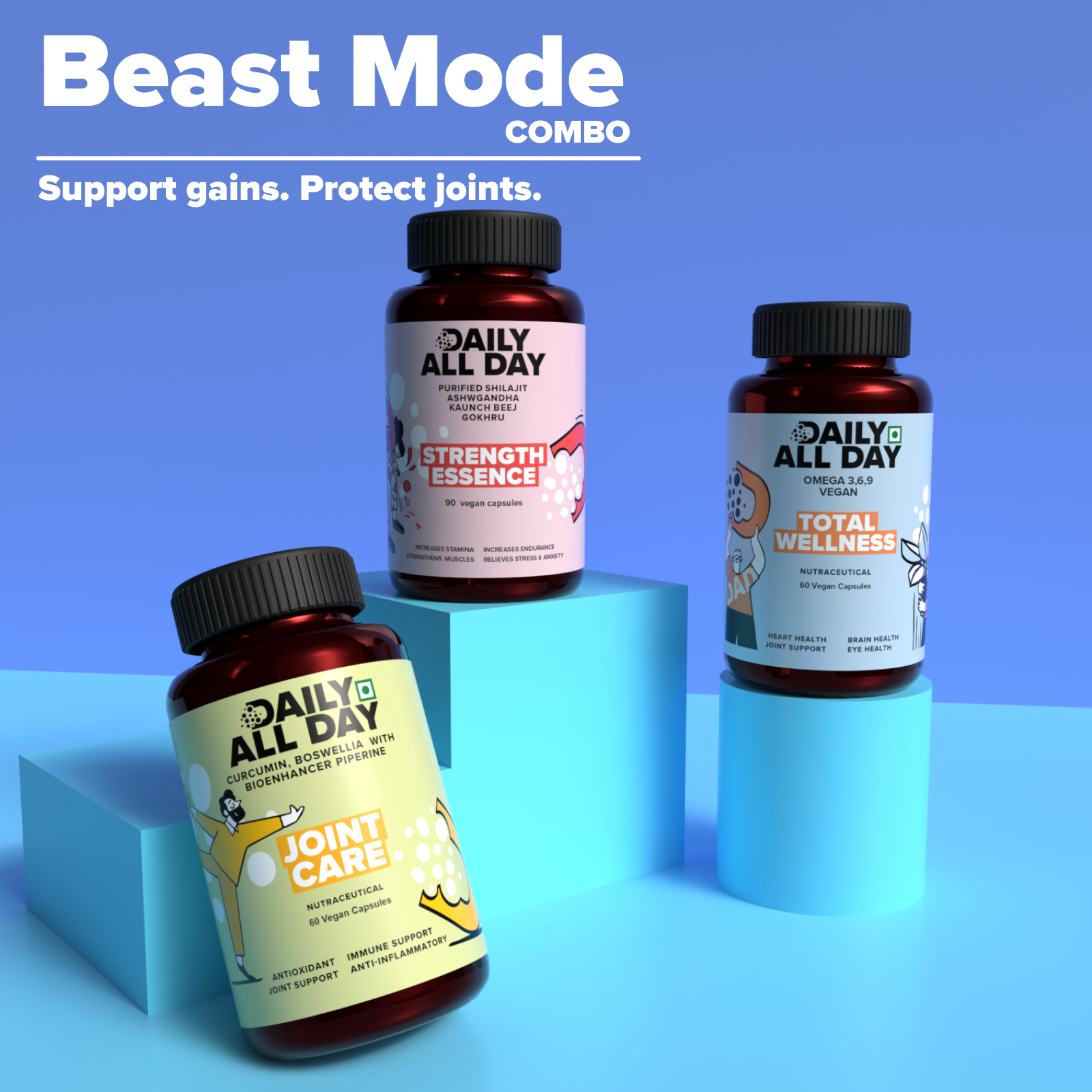
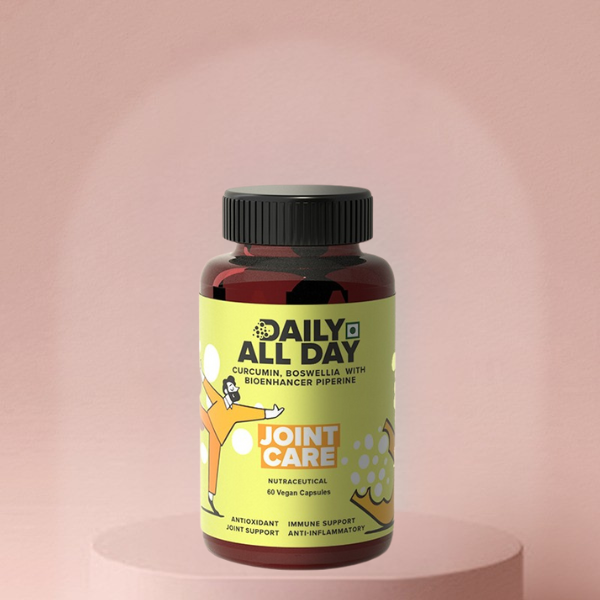
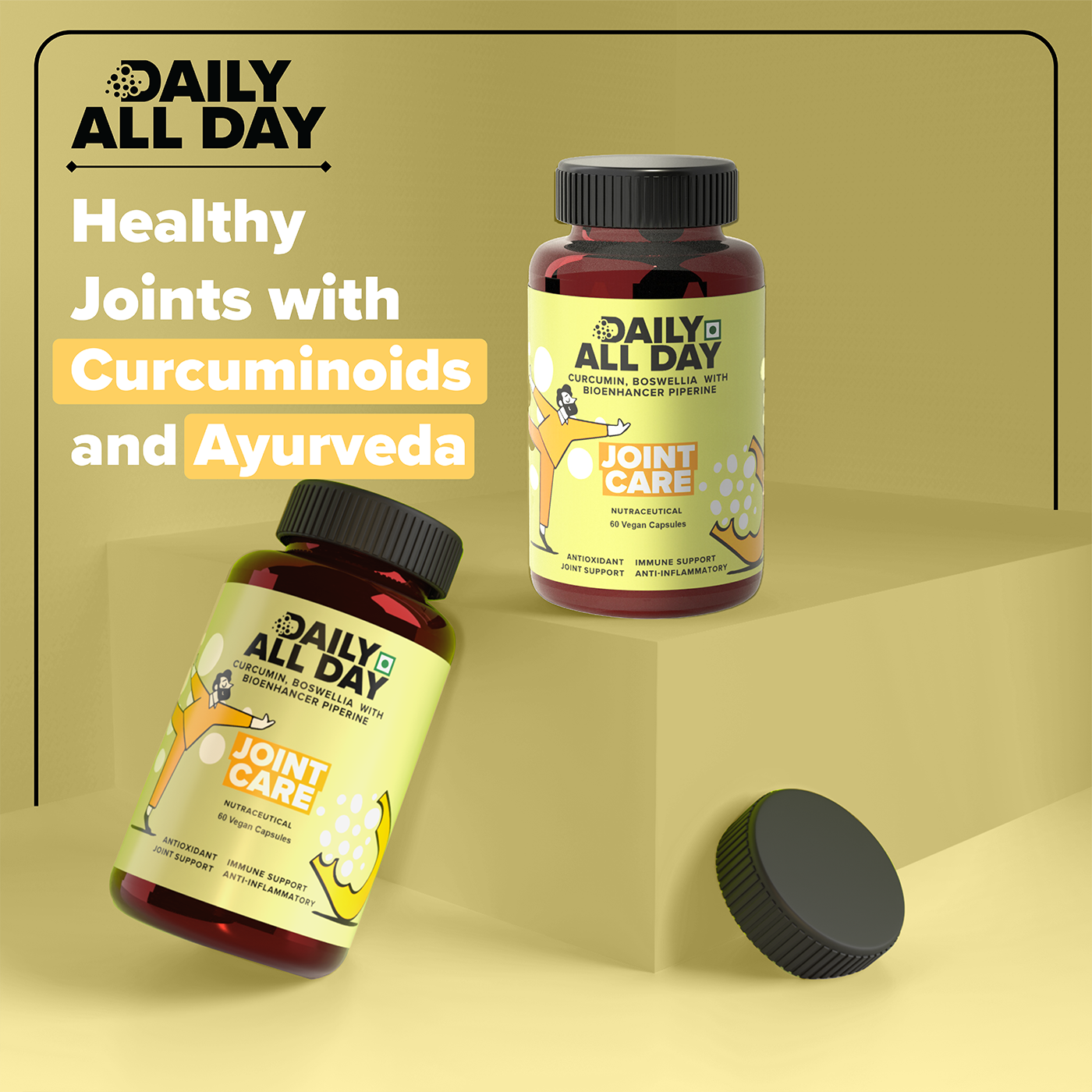
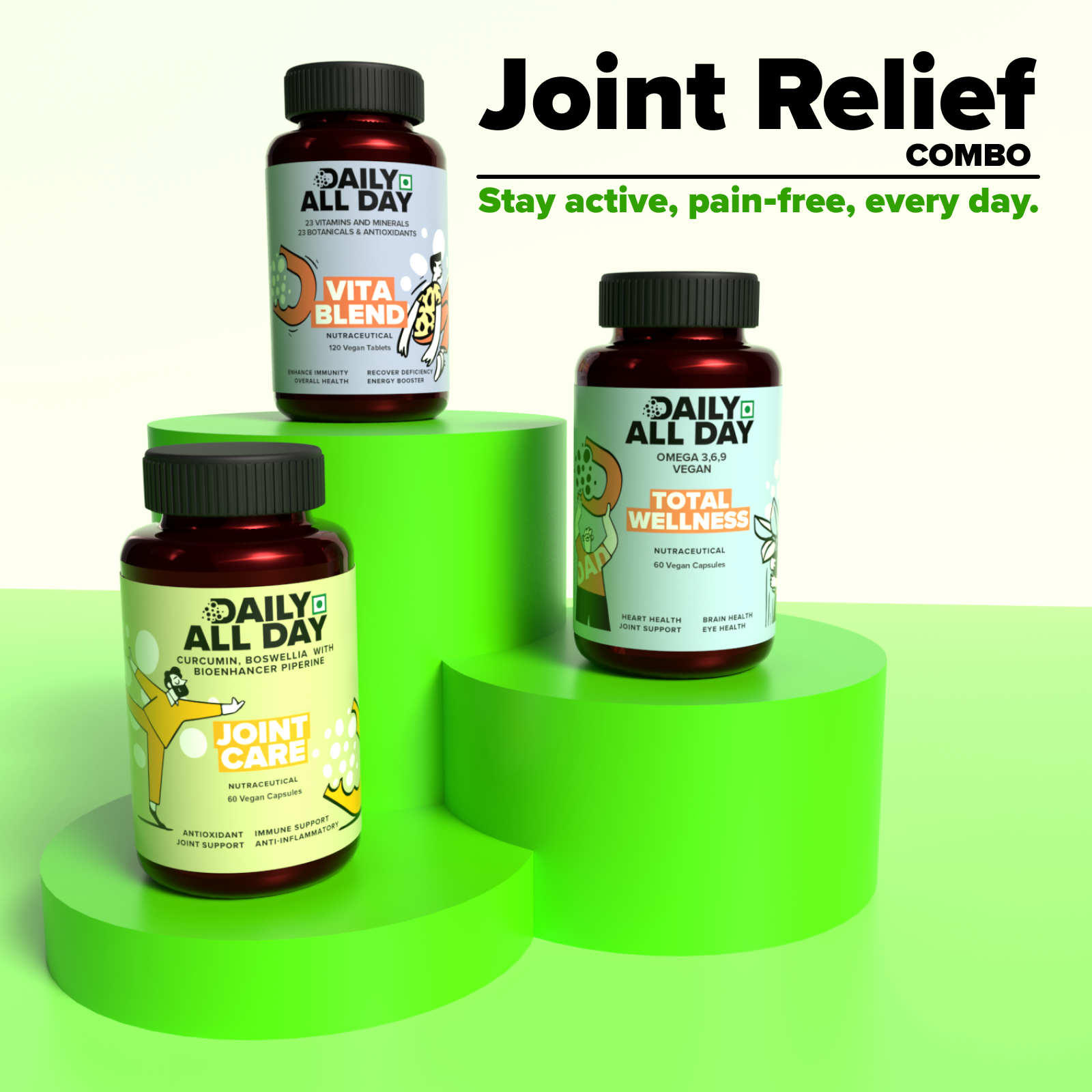
Daily All Day Joint Care (60 Capsules):
- Contains Turmeric Root Extract for inflammation reduction & joint comfort.
- Power of Curcuminoid (curcumin 95%) for pain relief and healing.
- Boswellia Serrata for cartilage and joint mobility.
- Piperine (black pepper extract) for boosting curcumin absorption.
- 100% vegetarian, non-toxic, lab-tested and certified.
- Unique point: Plant-based cellulose caps, never gelatin!
-
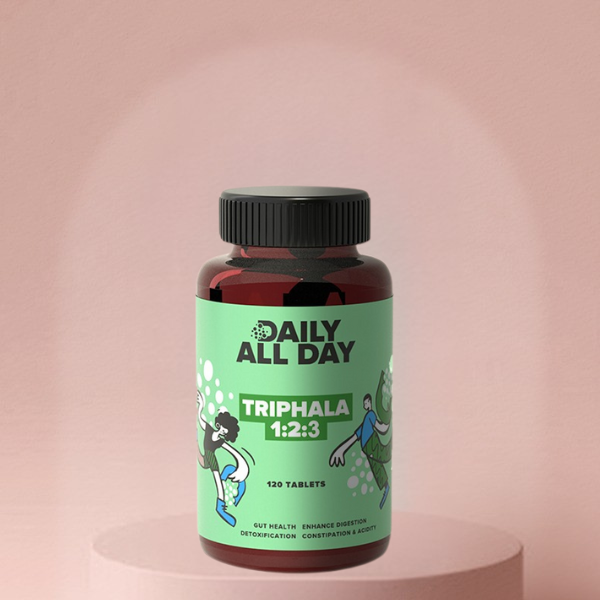
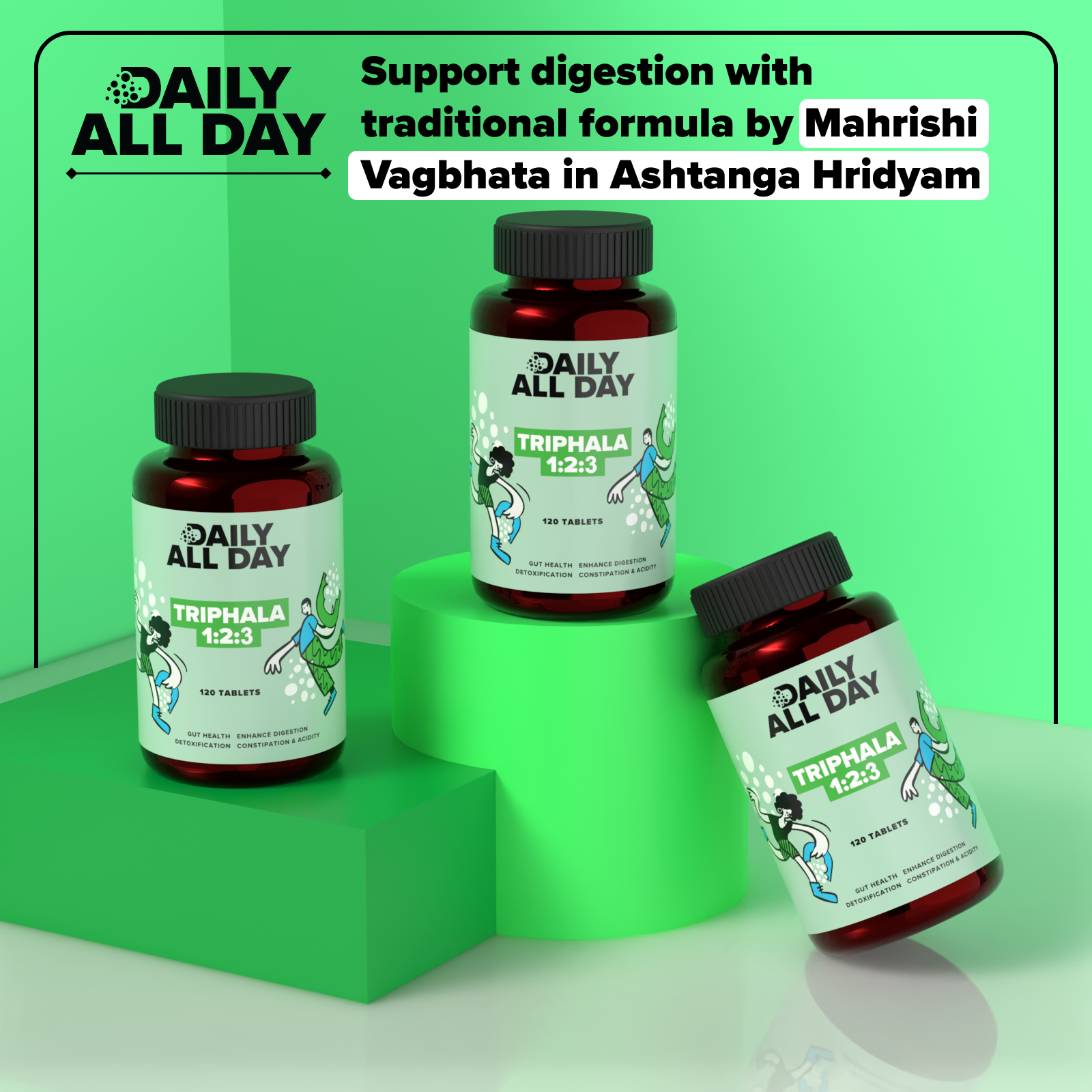
Daily All Day Triphala 1:2:3 (120 Tablets):
- Blends Amla (Vitamin C-rich, great for skin), Baheda, and Harad for detox and bowel health.
- Improves glow & digestion, flushes toxins, supports hair and skin.
- Perfect if you want natural gut-skin support (see full Triphala guide).
Triphala and joint care both rely on Ayurveda to help the body and skin stay healthy, reduce inflammation, and boost your glow from inside out!
Precautions: Can Turmeric Cause Side Effects?
- Always patch test on a small skin area first. Turmeric may sometimes irritate very sensitive skin.
- Turmeric powder can stain the skin and clothes (yellow/orange) but stains fade after a few washes.
- Don’t use turmeric if you are pregnant, breastfeeding, or allergic to it.
- If you take blood thinners or other strong medicines, check with a doctor before using large amounts of turmeric or curcumin tablets.
Frequently Asked Questions
-
What is Ashwagandha?
Ashwagandha is an ancient adaptogenic herb used in Ayurveda, well known for reducing stress and balancing energy. See our full details in the Ashwagandha blog. -
How does turmeric compare with ashwagandha for inflammation?
Both turmeric and ashwagandha help fight body stress and inflammation—but turmeric is more direct for skin and joint issues, while ashwagandha mainly eases anxiety and mood. -
Can turmeric darken skin rather than lighten it?
No. While turmeric’s color may temporarily make skin look yellow, its regular use lightens dark spots due to curcumin blocking melanin. -
How long before seeing results with turmeric for dark spots?
It may take 4 weeks or more of regular use (in creams or masks) to notice lighter, more even skin. Keep going, but always patch test. -
Is turmeric safe for every skin type?
It suits most, but those with super sensitive or allergy-prone skin should do a patch test. If irritation occurs, stop and consult a doctor.

Conclusion
Turmeric (Curcuma longa) stands out as a natural ingredient with science-backed benefits for skin care—especially for those bothered by dark spots and uneven skin tone. The active compound, curcumin, is not only a powerful antioxidant but also fights inflammation and reduces melanin production, which can help fade dark spots over time[1]. Multiple clinical studies and traditional uses support its reputation, although individual results may differ due to unique skin types and sensitivities[4]. Always use turmeric carefully to avoid skin irritation and stains.
Incorporating turmeric in the form of gentle topical products, or as a part of an Ayurvedic lifestyle alongside supplements like the Daily All Day Joint Care (60 Capsules), may usher in healthier, brighter skin while offering other wellness advantages. For those seeking radiance or relief from hyperpigmentation, turmeric is certainly worth a try—with the added assurance from both tradition and modern research[2], [3], [5], [6]. Just remember to patch test and consult a dermatologist for personalized advice.