Low Energy Levels in Rural India: Is Nutrition the Missing Link?
Table of Contents
- A Day in Rural India: Why Energy is Draining?
- Why Do People in Rural India Feel Tired All the Time?
- Most Common Nutrition Deficiencies
- Typical Rural Indian Diet: What's Missing?
- How Exactly Does Nutrition Affect Energy?
- Daily All Day Vita Blend: Deep Dive into Nutrition, Science & Ayurveda
- What Quora Says: User Questions & Nutrition Answers
- Frequently Asked Questions
A Day in Rural India: Why Energy is Draining?
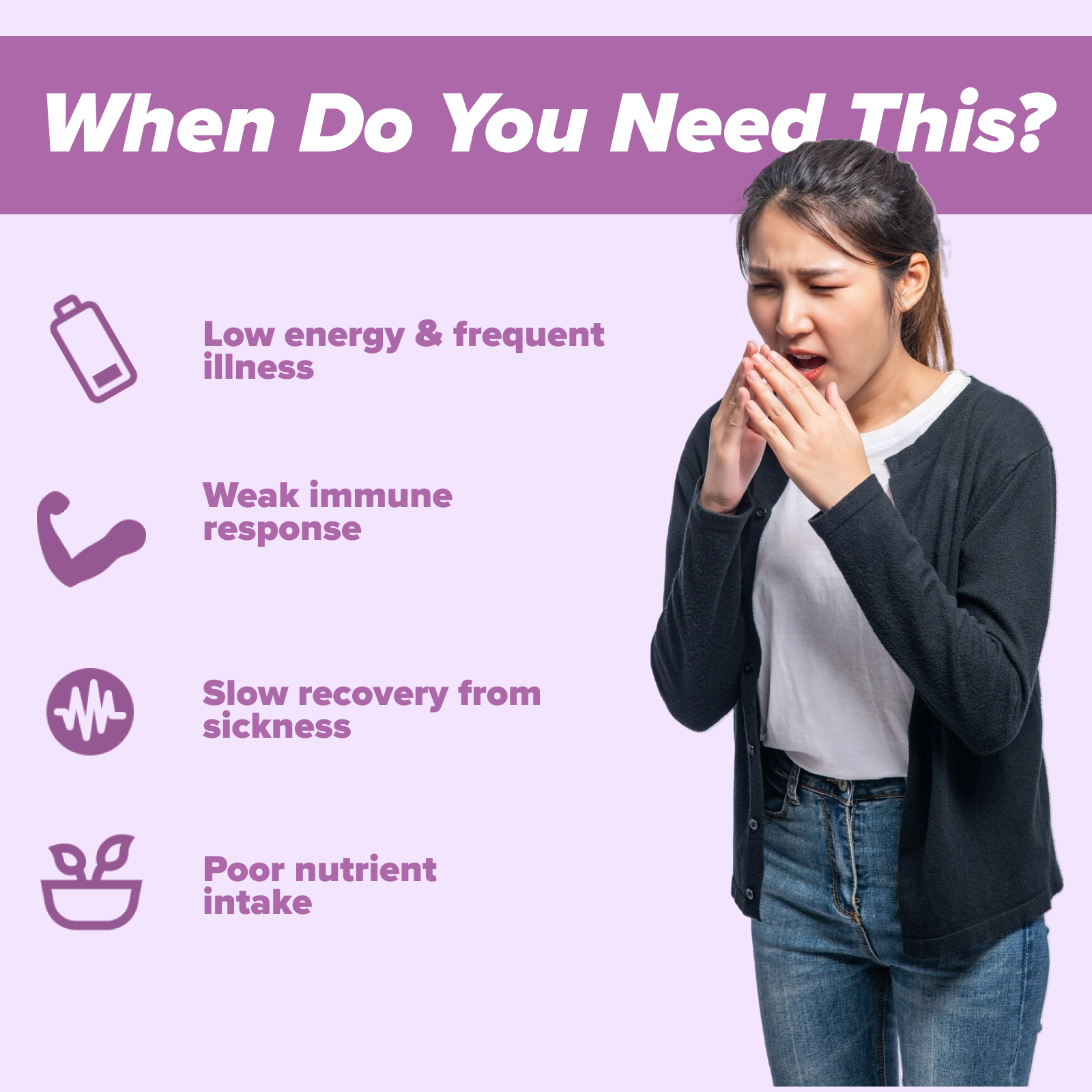
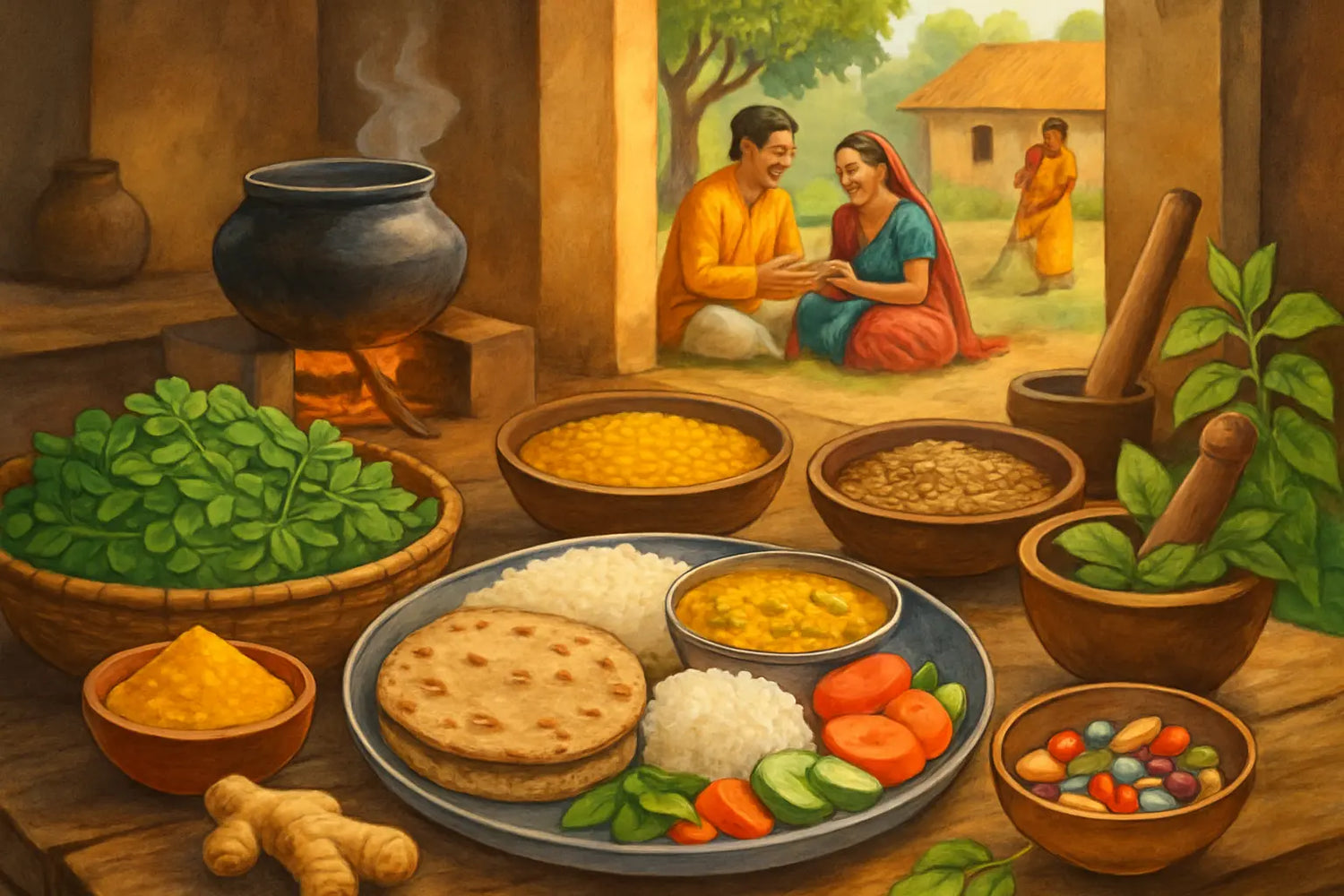
Imagine waking up at sunrise in a small village, surrounded by fields. You start your day with tea and some roti or rice. It sounds simple and healthy, but by mid-morning, most people already feel tired. School kids, farmers, shopkeepers – everyone seems to battle low energy levels, feeling dull or weak. But is a lack of sleep the main problem? Or is there a hidden reason inside what we eat? Low energy levels in rural India often point to one key thing: not getting the right nutrition.
Why Do People in Rural India Feel Tired All the Time?
Rural India may have fresh air and a slower pace of life, but its diet often lacks balance. Here are some real reasons why nutrition matters so much:
- Monotonous diets: Daily meals are almost the same – rice, wheat, maybe lentils.
- Limited variety: Seasonal fruits and vegetables aren’t always available or affordable.
- Poor protein intake: Very little milk, eggs, pulses, or nuts in daily meals.
- Micronutrient gaps: Not enough vitamins like B12, D, iron, and zinc.
- Fewer healthy fats and omega-3s: Missing from a typical rural meal.
- Fast, filling, but low-nutrient foods like potatoes, white rice, and wheat dominate the plate (see how rice-heavy diets affect blood sugar and nutrients).
What’s surprising? Even with lots of sunlight, vitamin D deficiency is severe in India – adding to tiredness and muscle aches. Iron deficiency, especially among women and children, is a major cause behind frequent fatigue and even headache or dizziness.
Most Common Nutrition Deficiencies in Rural India
Research and surveys show:
- Iron Deficiency Anemia: Major cause of weakness, pale skin, poor concentration, and slow growth in kids and teens ([1]).
- Vitamin B12 Shortage: Linked to exhaustion, numbness, and mental fog—worse for strict vegetarians ([4]).
- Vitamin D Deficiency: Causes weak bones, joint pain, and is common even with regular sun exposure ([5]).
- Zinc and Magnesium: Important for immune power, digestion, and energy; yet missing from many plates ([2]).
- Protein Deficiency: Affects muscle health, immunity, and stamina – and widely under-consumed (learn more here about protein and vitamin D gaps).
- Folate/Folic Acid: Needed for making red blood cells and preventing birth defects.
- General Calories: Many people, especially girls and elders, simply don’t eat enough every day (see poor nutritional assessment results).
Studies show both anemia (often from iron lack) and undernutrition can be life-threatening or lower the quality of life ([5]). In women, iron deficiency can also hurt menstrual and reproductive health ([3]).
Typical Rural Indian Diet: What's Missing?
- Mainly carbohydrates foods: rice, roti, potatoes.
- Low on protein: dal (lentils) given in small amounts, milk or eggs rarely included, so little egg nutrition or milk protein per 100g.
- Vegetable variety is missing; mushrooms nutrition, peas nutrition, green leafy vegetables are rare.
- Very few high-calorie fruits like bananas, bananas nutrition and watermelon nutrition (banana nutrition facts are often unknown to villagers).
- Seasonal dependence and repeated cultivation reduce the natural minerals and vitamins in food (see more on Quora).
Even though some foods like chana (chana protein per 100g), potatoes (potato nutrition), and bananas are common, the nutritional value of mushrooms, peas, and green leafy vegetables is lost when not eaten regularly. Many diets lack nutrients like omega-3 fatty acids, vitamin B12, vitamin D, and minerals such as iron, magnesium, and zinc.
Read more about why micronutrient gaps matter.
How Exactly Does Nutrition Affect Energy?
- Iron: Carries oxygen in our blood. Low iron = less oxygen = always tired ([1]).
- B Vitamins (B12, folate, etc.): Support healthy nerves and red blood cells. Lacking these leads to weakness, numbness, and poor focus ([4]).
- Vitamin D: Needed for strong muscles and fighting infections, also for energy. Deficiency here affects both rural and city folks ([5]).
- Magnesium and Zinc: Key for brain and body energy, missing leads to tiredness and slow development ([2]).
- Protein: Builds muscles, repairs cells, keeps you active. No protein leads to weak bodies and more infections.
Real-life checks using blood tests (like Patra index and Mentzer index) help tell if this is due to iron deficiency or other anemia types. Even in elderly people, these deficiencies can cause more sickness and less lifespan ([5]), proving this isn’t just a 'children’s problem'.
Daily All Day Vita Blend: Deep Dive into Nutrition, Science & Ayurveda
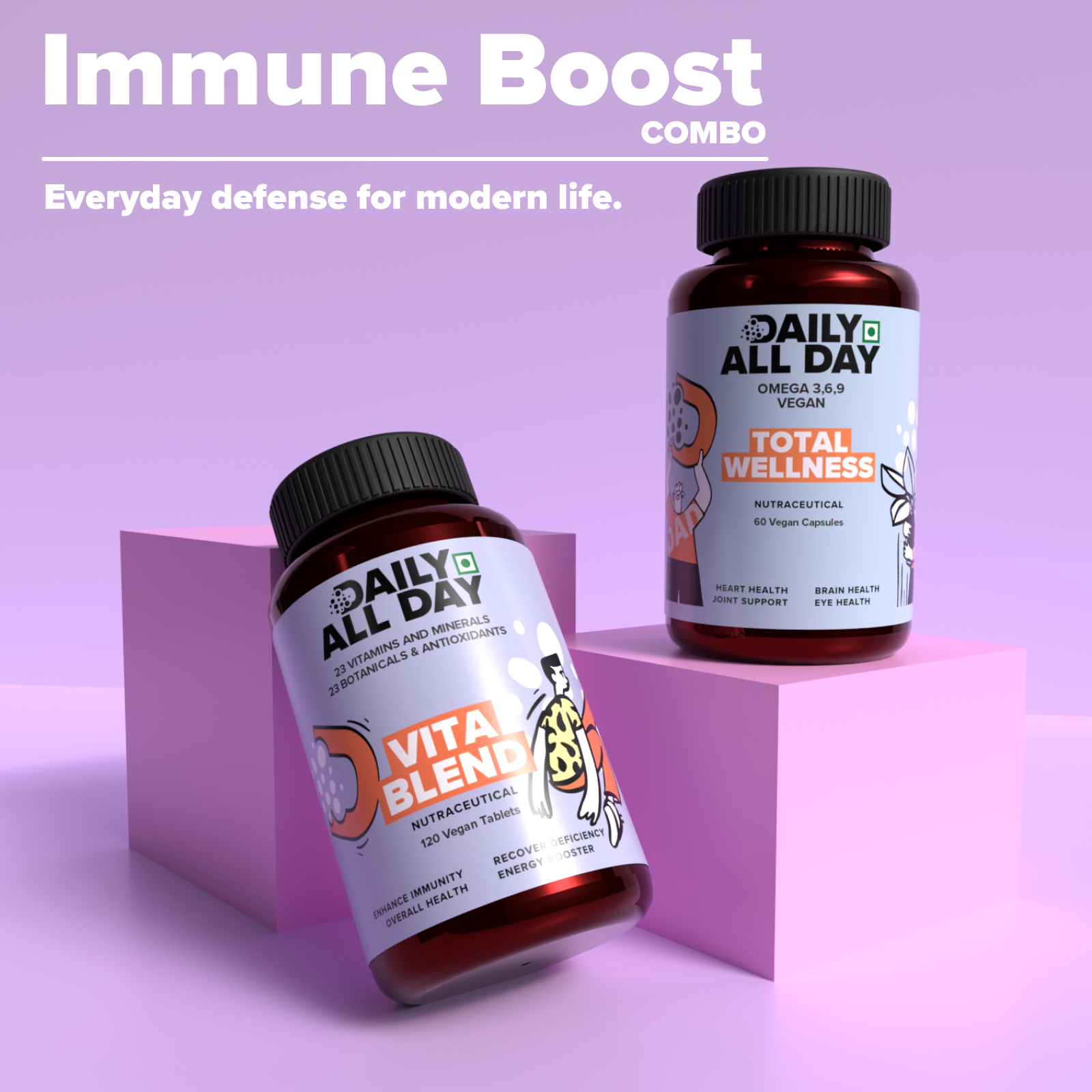
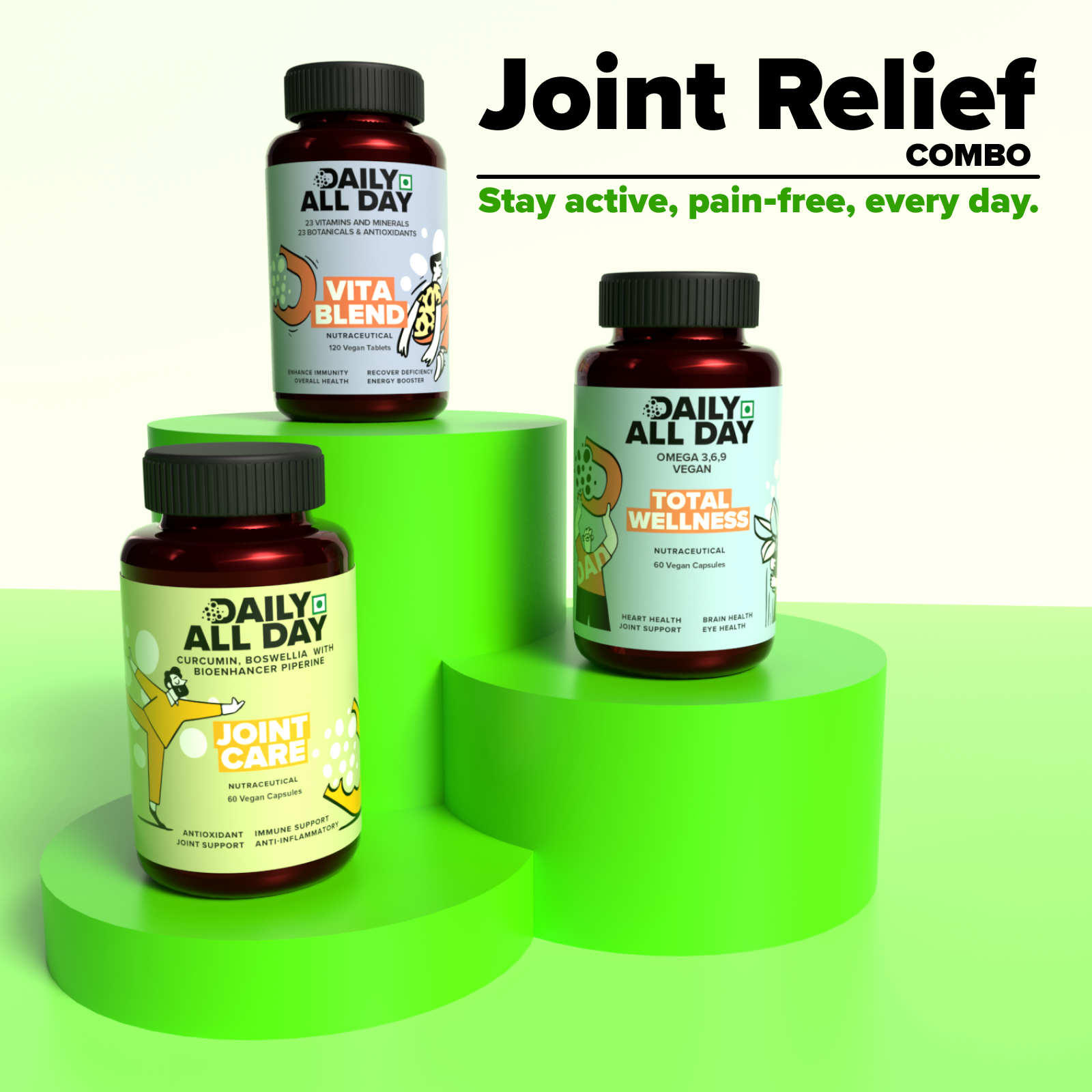
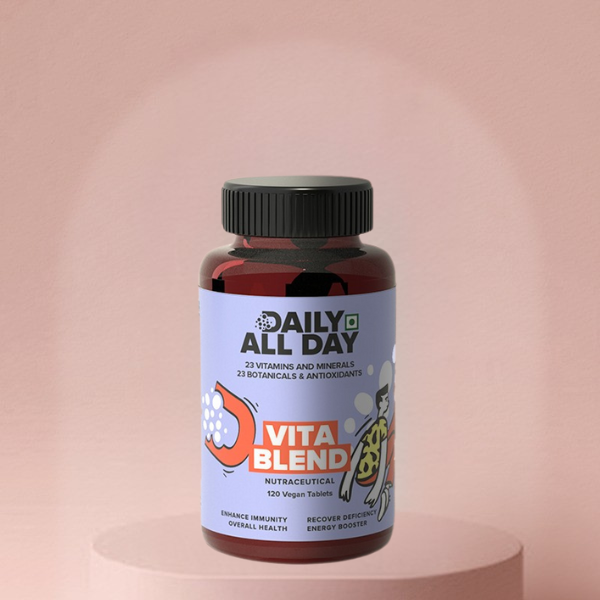
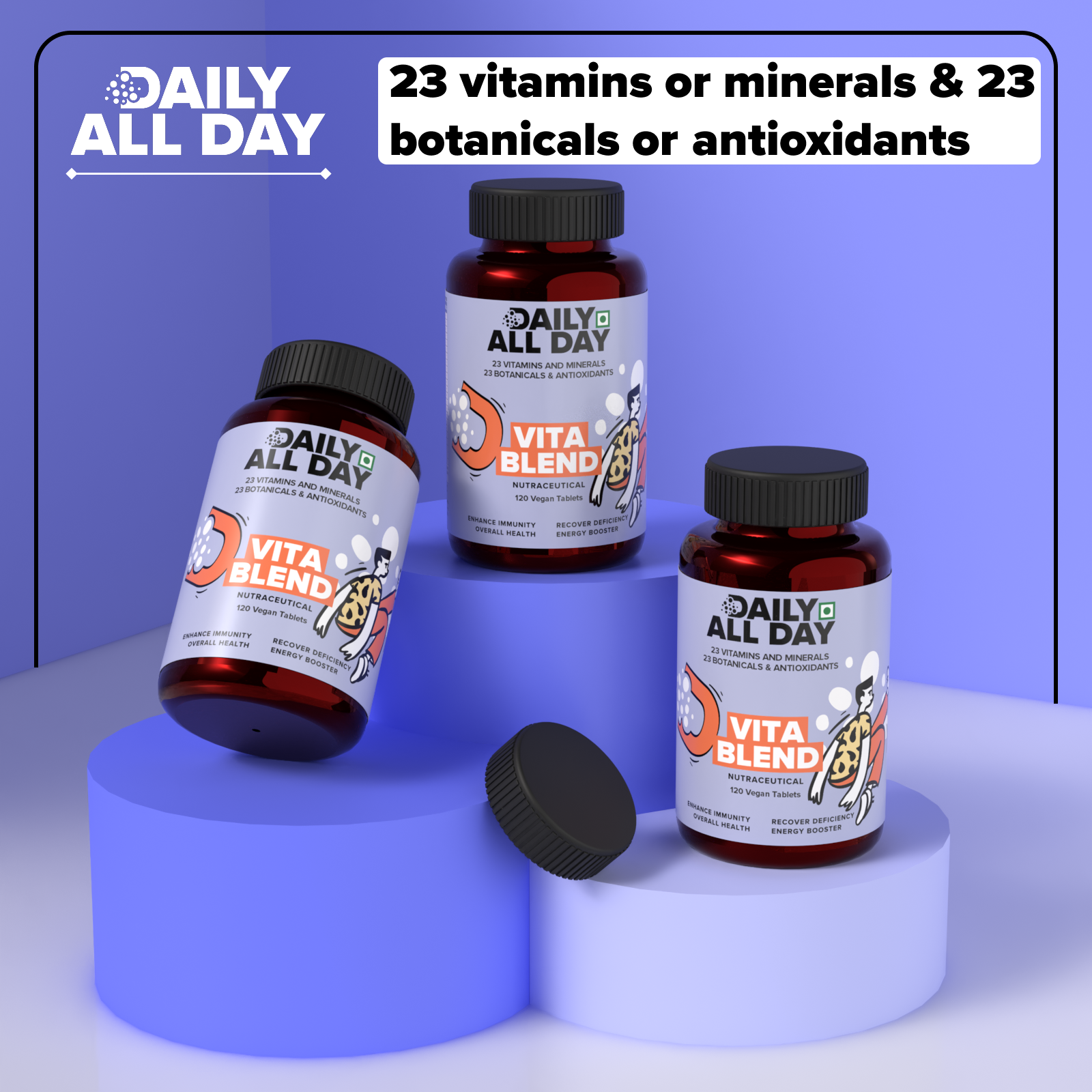
Daily All Day Vita Blend (120 Tablets) is made for people struggling with low energy, poor immunity, and nutrition gaps. It follows both modern nutritional science and traditional Ayurvedic wisdom:
- Vitamins and Minerals (23 types): Vitamin A, B complex (thiamine, riboflavin, niacin, pyridoxine, B12, biotin, folic acid), C, D3, E, K2, magnesium, selenium, iron, zinc and more, all at safe RDA levels. These are what most rural Indian diets lack.
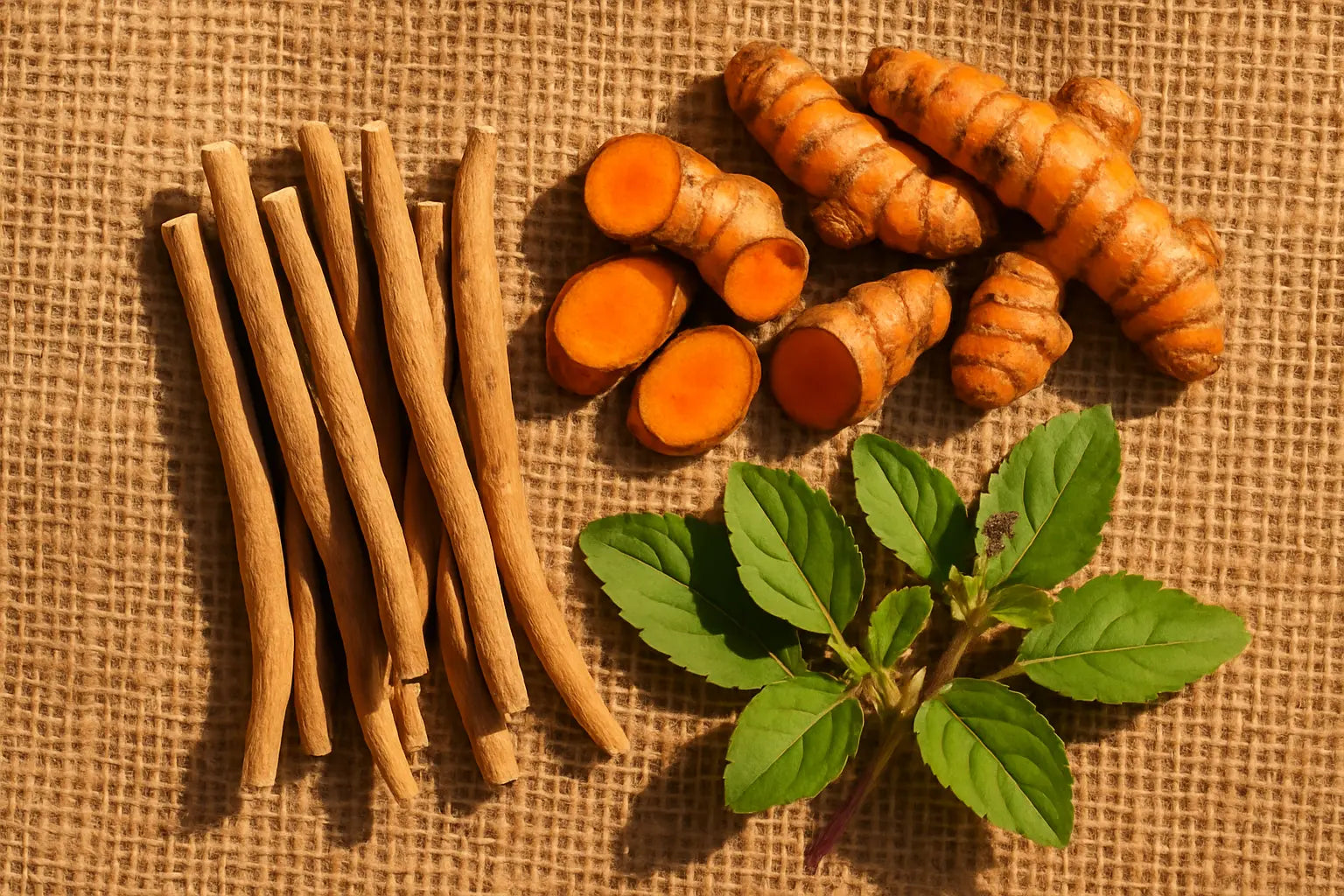
- Ayurvedic Herbs (23 powerful ingredients): Moringa (superfood leafy green), Ashwagandha (for stress and stamina), Curcumin (from turmeric), Panax Ginseng (energy booster), Brahmi (brain support), Tulsi, Licorice, Arjuna, Ginkgo, Grape seed, Milk thistle, Giloy, Green Tea and more. Read in-depth about vitamins and herbal ingredients here.
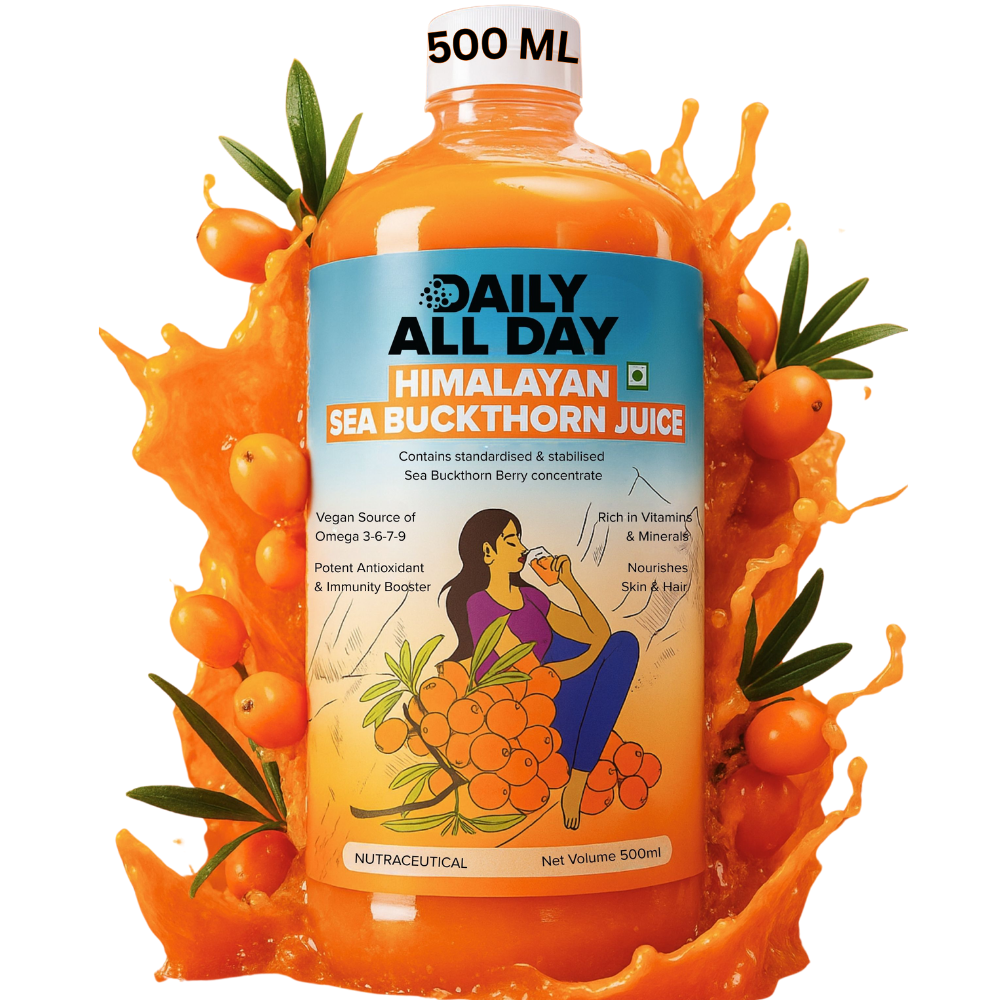
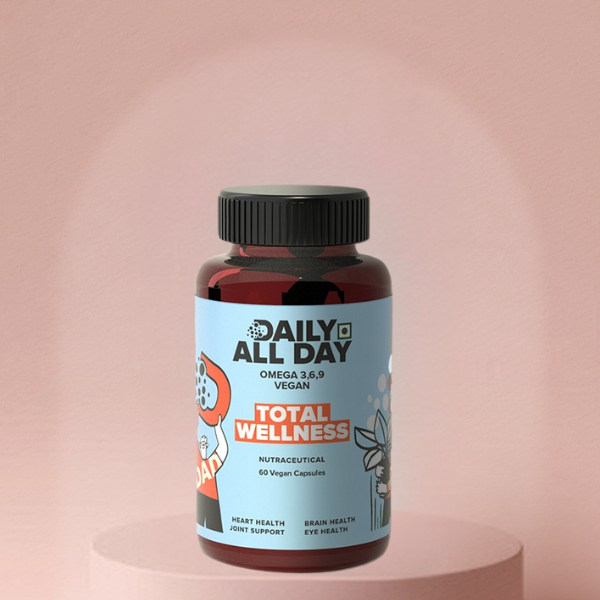
- Modern Nutrients: Omega 3, 6, 9 from vegetarian sources, sunflower phospholipids, natural Astaxanthin (strong antioxidant), spirulina, sea buckthorn for rare minerals.
Benefits:
- Boosts immunity and safeguards from frequent cough, cold, and infections.
- Delivers smoother, longer-lasting daily energy without dramatic highs and lows.
- Helps in better digestion and absorption of nutrients – especially vital for kids and elderly.
- Fills energy and nutrition gaps for those with undernutrition, slim/weak bodies, or acne-prone skin.
- Purely vegetarian, non-toxic, lab-tested, and quality-assured (FSSAI, ISO, HACCP, GMP).
Suggested use: Take 2 tablets daily after meals, for at least 6-8 weeks alongside a balanced diet.
What Quora Says: User Questions & Nutrition Answers
Here’s what people on Quora are asking and answering about India’s nutrition problems:
-
Does India face undernutrition's burden presently? Why?
YES. Economic issues and limited access to balanced foods are major factors. Read more -
What nutrition does the Indian vegetarian diet lack? And how can one compensate?
Often lacks B12, iron, vitamin D, calcium, omega-3, zinc, protein, and calories. Increasing food variety and supplementing can help. Source -
Is it true that the Indian diet lacks protein and vitamin B12?
Indian diets are often low in B12 unless dairy or eggs are included. Protein can be low in some regions. See community answers -
Does protein deficiency exist in India? Is there a solution?
Yes, it’s a widespread problem with up to 73% of the population possibly deficient. Full discussion here -
Why do many Indians suffer from vitamin D deficiency despite the sun?
Poor diet, less exposure, skin pigmentation, and genetics. More details here
Frequently Asked Questions
-
What is Ashwagandha?
Ashwagandha is an adaptogenic herb used in Ayurveda. It helps the body manage stress and supports overall health and energy. -
How does Ashwagandha help with stress?
It lowers levels of cortisol (the main stress hormone), calms the mind, and can improve sleep and concentration. -
Is Ashwagandha safe for everyone?
While safe for most, pregnant or breastfeeding women and those with special health conditions should avoid it or consult a doctor. -
How long should I use Daily All Day Vita Blend to see results?
Use regularly for at least 6-8 weeks with a healthy diet for best results. Individual responses may vary. -
Can supplements replace a balanced diet?
No. Supplements help fill the nutrition gap but should be used with good foods for best energy and health.
Read more on topics such as vitamin D deficiency in sunny places, how Indian high-carb meals affect B vitamins and energy, and how Indian cooking methods lower nutrition.
Nutritional gaps stand out as a major culprit behind low energy levels in rural India, especially considering issues like iron deficiency, lack of vital vitamins, and chronic undernutrition among specific populations. Addressing these issues through a multi-faceted supplement that delivers balanced vitamins, minerals, and Ayurvedic herbs—like the Daily All Day Vita Blend—can fill the gaps left by traditional rural and vegetarian diets. Such approaches not only help maintain better energy, immune health, and overall wellness but also offer a promising, safe, and sustainable path to combating persistent fatigue and health issues. Integrating these nutrition strategies into daily life, even in the most remote corners, is crucial for energizing our villages and supporting brighter, more productive lives.
Relevant research highlights: Iron and vitamin deficiencies remain extremely prevalent in India and globally, with significant health impacts, especially in children, pregnant women, and the elderly. Advanced diagnostic tools and biomarkers are improving detection and treatment strategies for these deficiencies ([1], [2], [3], [4], [5], [6]).