Table of Contents
- Story: The Power of Traditional Foods in the Northeast
- What Are Fermented Foods?
- Popular North-East Indian Fermented Foods
- Ingredients Deep Dive
- Gut Health Benefits of Fermented Foods
- Quora QnA: Indian Foods & Gut Health
- Daily All Day Products for Gut & Metabolic Health
- Frequently Asked Questions
Story: The Power of Traditional Foods in the Northeast
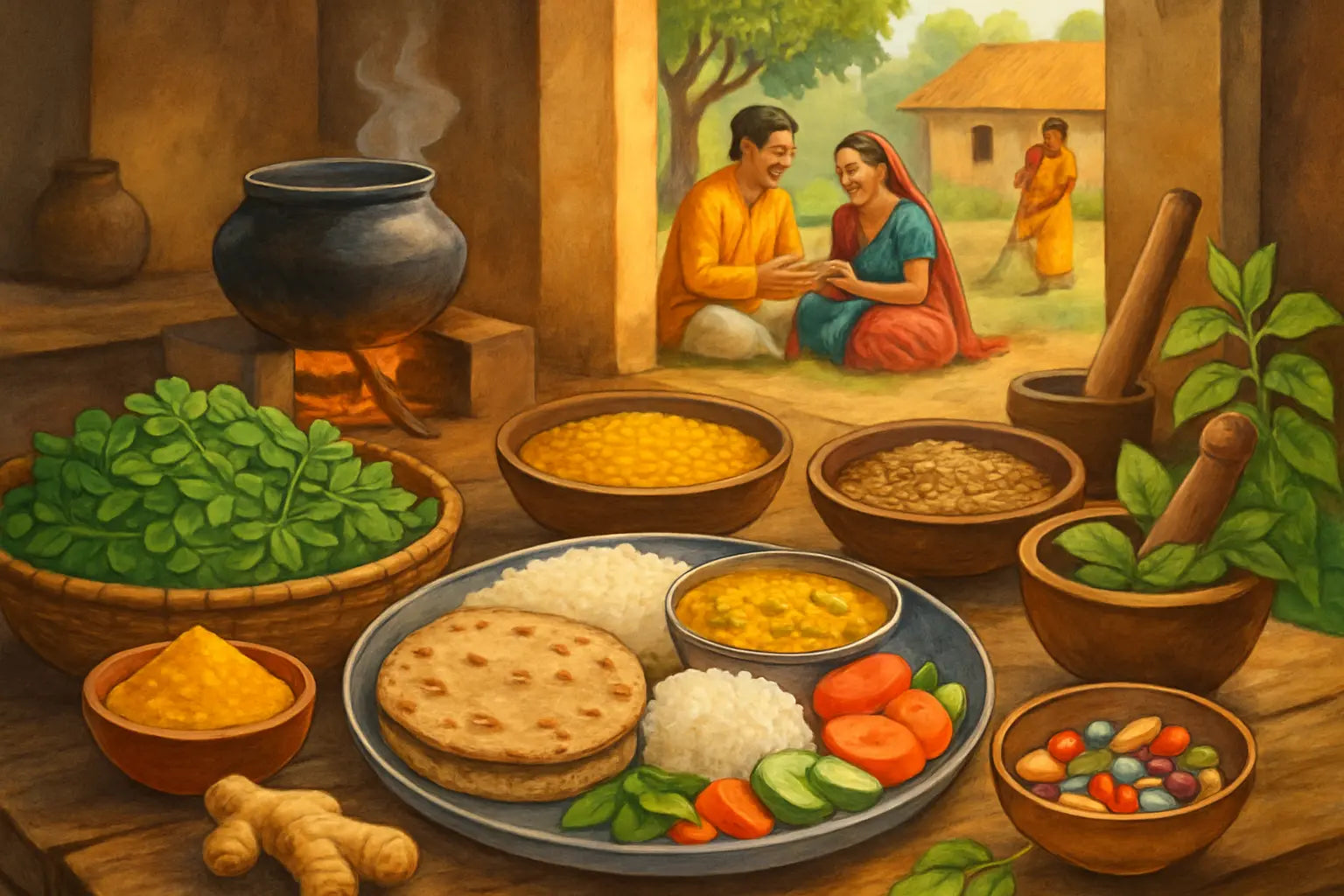
If you travel through the mountains and valleys of North-East India, you’ll notice local kitchens bubbling with flavors that are fiesty, unique, and quite different from the rest of India. Beyond taste, the region’s love for fermented foods like kinema, fermented rice, gundruk, bamboo shoot pickles, and others is not just about tradition. These age-old foods are secret protectors of gut health. Just one spoonful from a Naga, Mizo, or Khasi kitchen can fill your tummy—and feed the trillions of bacteria living inside you (your gut microbiome) with what they love most.
But why are fermented foods so famous for digestion and immunity? Let’s explore the unique wisdom behind the bubbling jars and spicy aromas of North-East India.
1. What Are Fermented Foods?
Fermentation is a natural process where good bacteria, yeast, or fungi break down food. This makes the food last longer, gives it a tangy flavor, and creates probiotics (good bacteria). Examples from around the world include kimchi and surströmming. In India, especially the Northeast, special dishes like fermented rice, soy-fermented kinema, and mustard greens are staples.
- Fermented foods are rich in probiotic bacteria such as Lactobacillus and Bifidobacterium[3].
- These good bacteria help improve our digestive system, boost immunity, and reduce inflammation.[1]
- They also support the production of important vitamins, like Vitamin B12 and K.
2. Popular North-East Indian Fermented Foods
The region is famous for its unique local flavors. Some top dishes are:
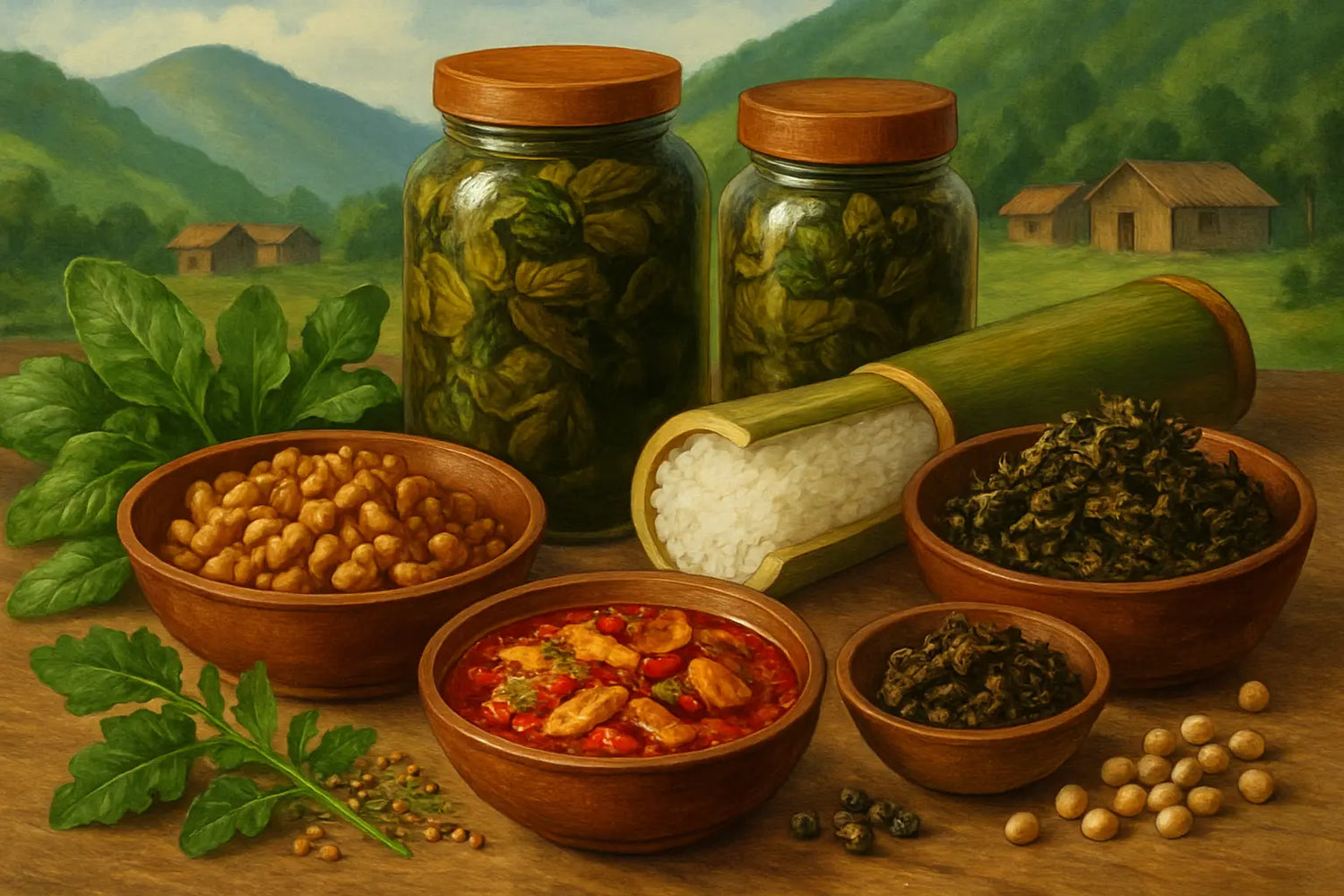
- Kinema: Fermented soybean, sticky and strong smelling, famous in Sikkim and neighboring areas. It is closely related genetically to Japanese natto.[4]
- Bekang: Fermented beans, popular in Mizoram; similar to kinema and natto.
- Gundruk: Fermented leafy greens, especially mustard leaves, from Nepalese communities in North-East India.
- Fermented Bamboo Shoots: Essential part of Naga, Assamese, and Manipuri cuisine, used in pickles and curries.
- Fermented Rice (Apong & Pakhala): Rice soaked and fermented, famous for its mild tangy flavor and easy digestion.
- Soibum: Fermented bamboo shoot from Manipur.
- Fermented Mustard (Tâm-um, Mizoram): Rich in antioxidants and anti-inflammatory compounds.[6]
- Chhurpi: Fermented milk cheese, found in Sikkim and Arunachal Pradesh.
Just like kefir grains make probiotic milk drinks in Europe, these traditional foods are treasure troves of beneficial bacteria!
3. Ingredients Deep Dive
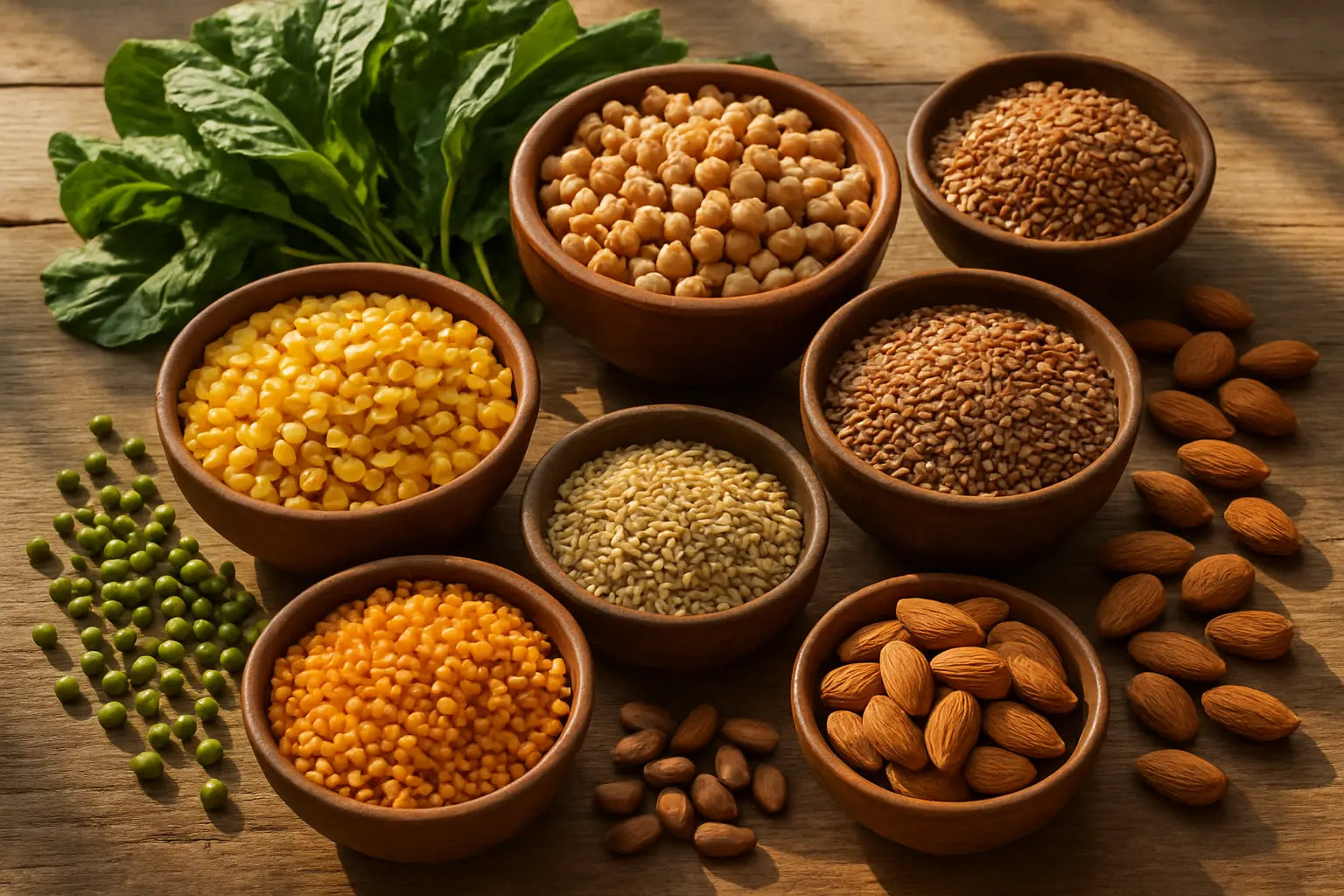
- Soybeans (Kinema & Bekang): Soybeans are loaded with protein, fiber, and minerals. When fermented, their nutrients are easier to digest and they develop beneficial enzymes. They also develop a unique ‘umami’ flavor found in natto and soybean sauce.[4]
- Mustard Leaves (Tâm-um, Gundruk): Mustard greens are rich in antioxidants, Vitamin A and C. Fermentation produces bioactive glucosinolates, which have strong antioxidant and anti-inflammatory effects.[6]
- Bamboo Shoots: These shoots are low in calories and a good source of fiber, potassium, and beneficial plant compounds. Fermentation softens the texture and makes it safer to consume.
- Local Legumes: Not only soybeans, other local beans are also fermented for chutneys and pastes, adding protein and gut-friendly fiber to meals. These legumes help promote the growth of beneficial gut bacteria.
- Rice: Fermenting rice with water transforms it into a light, easy-to-digest meal, producing mild acids and probiotics.
- Bacterial Strains: Traditional methods often encourage the growth of Lactobacillus, Bifidobacterium, and Limosilactobacillus fermentum. These strains can inhibit harmful pathogens and support gut and even cognitive health.[1] [3]
4. Gut Health Benefits of Fermented Foods
- Replenish Probiotics: These foods add good bacteria like Lactobacillus and Bifidobacterium for a healthy digestive tract.[3]
- Boost Immunity: Probiotics from fermented foods strengthen the immune system and help fight infections[1].
- Improve Digestion: Fermentation breaks down food and helps people with weak digestion, IBS, or dairy intolerance.
- Balance Gut Microbiome: Eating a mix of legumes, greens, and seeds, like in Northeast Indian dishes, supports good bacteria balance.[2]
- Control Inflammation: Fermented mustard, for example, reduces inflammation in the body and gut, keeping you healthy.[6]
- Promote Cognitive Health: Psychobiotics in fermented foods support brain function through the gut-brain axis.[3]
5. Quora QnA: Indian Foods & Gut Health
- Which Indian food is good for gut health? Read on Quora
- Fermented foods like idly, dosa, dhokla, and curd are excellent for gut health. They contain good bacteria which help in digestion.
- Which Indian foods are good for gut bacteria? Read on Quora
- Curd (dahi), lassi, idli, dosa, and traditional fermented foods are the best choices for gut bacteria.
- Do Indians eat a lot of fermented foods? Read on Quora
- Yes, many regions, especially in the North-East and South, use fermented foods like kimchi (influenced by Korean tradition), yogurt, and special rice-based ferments daily.
- Is it okay to have fermented foods daily? Read on Quora
- Yes, as long as the food is fresh (unpasteurised) and not overconsumed, daily intake supports gut health.
- How do fermented foods support gut health? Read on Quora
- Fermented foods introduce beneficial probiotics, enhance digestion, and keep the gut microbiome balanced.
6. Daily All Day Products for Gut & Metabolic Health
Daily All Day Slim Support (90 Capsules)
- Apple Cider Vinegar: Boosts digestion and gut balance.
- Garcinia Cambogia: Burns fat, reduces appetite.
-
Methi (Fenugreek), Ginger & Triphala: Aid digestion; support gut lining and detox.
See the details and ingredients. - Gurmar, Green Coffee & Green Tea: Control appetite, burn calories, and boost metabolism.
- Plant-based, non-toxic, lab-tested, and safe for daily use.
If you are interested in a full ingredient science breakdown, see our research-backed post.
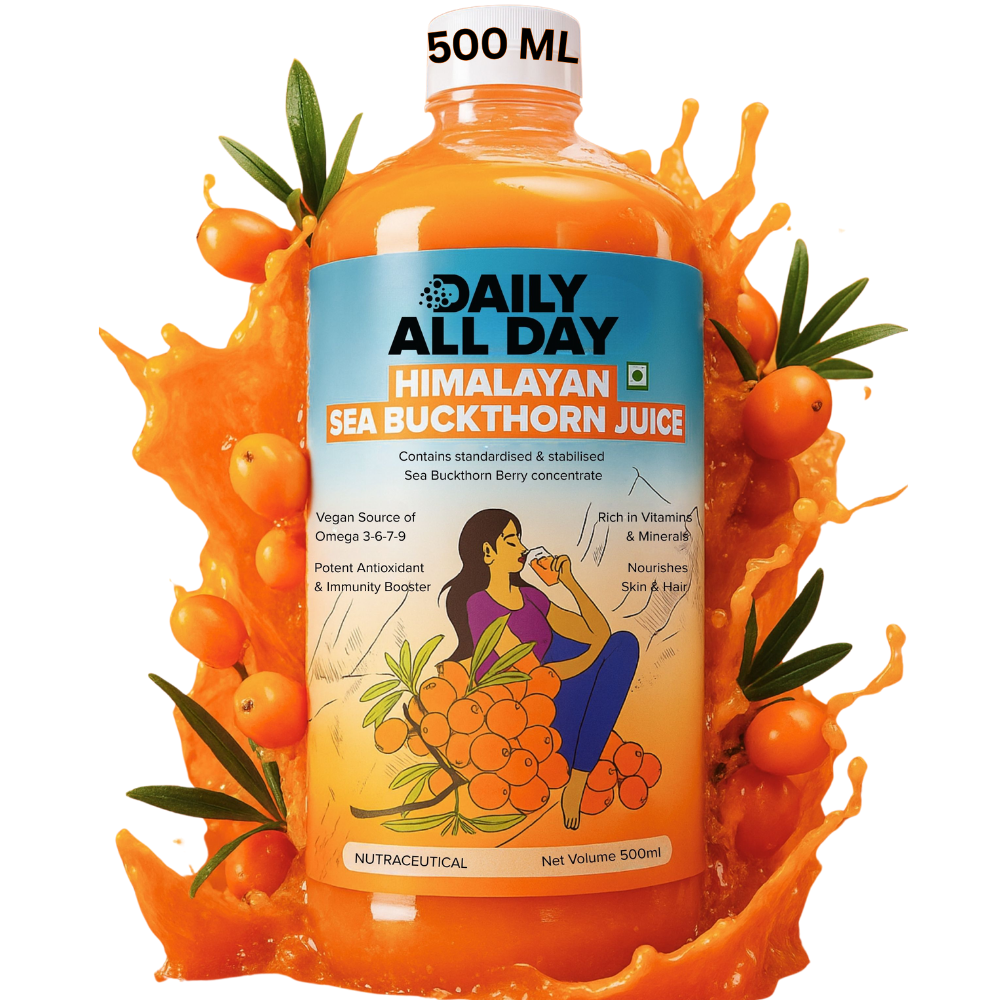
Daily All Day Sea Buckthorn Juice (500ml)
- Pure sea buckthorn pulp: Full of Omega 3-6-9, Vitamin C, E, and rare Omega-7.
- Improves skin, boosts immunity, supports gut lining, reduces IBS discomfort.
- All-natural, no sugar or preservatives.
See the details and gut benefits.
Read more about the power of Triphala for gut health and spices and gut-brain connection.
7. Frequently Asked Questions
-
What are the best North-East Indian fermented foods for gut health?
Kinema, bekang, gundruk, fermented bamboo shoots, fermented mustard (tâm-um), rice-based drinks, and chhurpi cheese are excellent and probiotic-rich. -
How do fermented foods help IBS and bloating?
Probiotics in these foods restore gut bacterial balance, reduce harmful bacteria, break down food, and produce nutrients and acids that soothe the gut lining. -
Are fermented foods enough for vitamin B12?
Some, like curd and fermented soy (kinema, natto), provide small amounts. But vegetarians may still need B12-rich foods or supplements. Learn more in our post on B12 for vegetarians. -
Is fermented food safe for children and elderly?
Yes, if the food is well-prepared and free from mold or spoilage. Start with small servings and increase slowly. -
Can you ferment foods at home safely?
Yes! Wash all ingredients, use clean jars, and ferment at room temperature. Smell and taste for spoilage before eating. There are plenty of simple recipes online for rice, legumes, and vegetable ferments.
North-East India’s traditional fermented foods are a powerhouse for gut health, offering a wide variety of unique flavors and rich probiotic content. From the hearty kinema and bekang (related to Japanese natto)[4] to tangy fermented mustard from Mizoram[6] and probiotic-rich bamboo shoot dishes, these foods help maintain gut flora, support digestion, elevate immunity, and even provide cognitive benefits[3]. Research shows beneficial bacteria like Lactobacillus can boost both digestive and mental wellness, while antioxidant compounds in mustard and soy-based ferments fight inflammation and protect gut lining.[2] For those wanting to supplement a gut-friendly, traditional Northeast Indian diet, Daily All Day Slim Support and Sea Buckthorn Juice combine time-tested herbs and superfoods for metabolism, digestive comfort, and holistic health. Embrace these age-old flavors not just for taste but for a balanced body, mind, and strong immunity.
Citations: [1] [2] [3] [4] [5] [6]