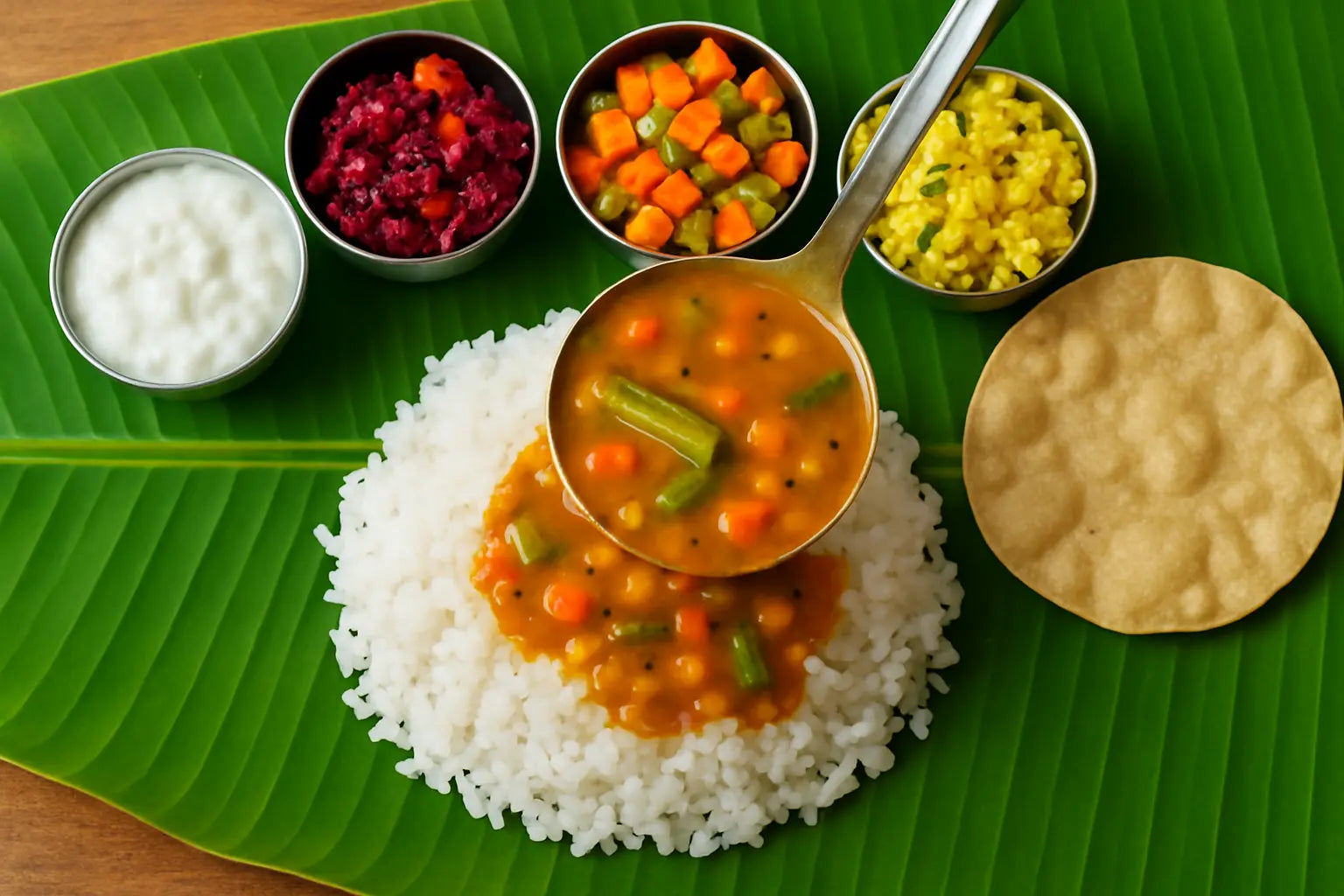
Picture this: a steaming plate of aromatic Hyderabadi biryani, loaded with tender meat and fragrant long-grain rice, served alongside rich, spicy kebabs. It’s a feast for the senses, a taste of royalty that’s hard to resist. But have you ever wondered what happens inside your body after such a glorious meal? While your taste buds are celebrating, your gut might be sending out an SOS. Understanding how Hyderabadi high-carb and high-meat meals affect gut balance is the first step to enjoying this incredible cuisine without compromising your health.
Table of Contents
- The Anatomy of a Hyderabadi Meal
- How High Carbohydrates Affect Your Gut
- The Impact of a High-Meat Diet on Gut Bacteria
- The Double Trouble: High-Carb + High-Meat Together
- The Micronutrient Problem: Why You Might Not Be Absorbing Vitamins
- Ingredients Deep Dive: Natural Support for Your Gut
- Finding Balance: Tips for a Healthy Gut Diet
- Insights from Quora
- Frequently Asked Questions
The Anatomy of a Hyderabadi Meal
Hyderabadi cuisine is famous for its richness. The star of the show is often biryani, which is made with polished white rice (a simple carbohydrate) and a generous amount of meat, usually mutton or chicken. Add to that other delicacies like Haleem, Nihari, and various kebabs, and you have a meal that is very high in both refined carbs and animal protein. While delicious, this combination can be quite a challenge for your digestive system.
How High Carbohydrates Affect Your Gut
Your gut is home to trillions of tiny organisms, collectively called the gut microbiome. Think of it as a garden. To keep it healthy, you need to feed it the right things. Simple carbohydrates, like the white rice in biryani or the maida in naan, are like sugar for your gut bacteria. They are digested very quickly.
- Feeds the 'Bad' Guys: Some bacteria in your gut love sugar. When you eat a lot of simple carbs, these bacteria multiply rapidly, potentially overpowering the 'good' bacteria that help with digestion and immunity.
- Causes Cravings: Ever notice how you crave more carbs after eating a carb-heavy meal? It’s because the sugar-loving bacteria in your gut are sending signals to your brain, asking for more of their favorite food!
- Can Lead to Bloating: An imbalance in gut bacteria can lead to fermentation in your gut, causing gas, bloating, and general discomfort.
The Impact of a High-Meat Diet on Gut Bacteria
Meat, especially red meat, also has a significant effect on your gut. While it is a great source of protein, consuming it in large quantities can shift the balance of your gut microbiome. To learn more about this, check out our detailed guide on meat and gut health.
- Shifts the Microbiome: Studies show that a diet high in animal protein encourages the growth of bacteria that are good at digesting fats and proteins, but this can crowd out the bacteria that thrive on plant fibers.
- Produces Byproducts: The digestion of meat can produce compounds like trimethylamine N-oxide (TMAO), which in high amounts, isn't ideal for long-term health.
- Lacks Fiber: Meat contains no fiber. Fiber is essential food for the beneficial bacteria in your gut. A diet centered around meat without enough vegetables and whole grains can starve these friendly microbes.
The Double Trouble: High-Carb + High-Meat Together
When you combine high carbs and high meat in one meal, you're creating a perfect storm for your gut. Your digestive system has to work overtime to process everything. This combination often lacks fiber, which is crucial for smooth digestion and feeding the good gut bacteria. The result? You might feel heavy, bloated, and lethargic after your meal. This is a clear sign that your gut is struggling to keep up.
The Micronutrient Problem: Why You Might Not Be Absorbing Vitamins
A balanced gut is essential for absorbing micronutrients—the vitamins and minerals your body needs to function. When your gut microbiome is out of balance (a condition called dysbiosis), your ability to absorb these vital nutrients is reduced. Even if you are eating nutritious food, you might not be getting the full benefit.
This can lead to deficiencies in key nutrients like:
- Iron: Leading to fatigue and anemia.
- Vitamin B12: Crucial for nerve function and energy.
- Vitamin D: Important for bone health and immunity.
- Magnesium and Calcium: Essential for bones, muscles, and nerves.
So, a diet that constantly challenges your gut can leave you feeling tired and weak, not because of what you're eating, but because of what you're not absorbing.
Ingredients Deep Dive: Natural Support for Your Gut
When your diet is rich and heavy, turning to traditional remedies can offer powerful support. Here’s a look at some key ingredients that can help maintain gut balance:
For Digestive Harmony: Daily All Day Triphala 1:2:3
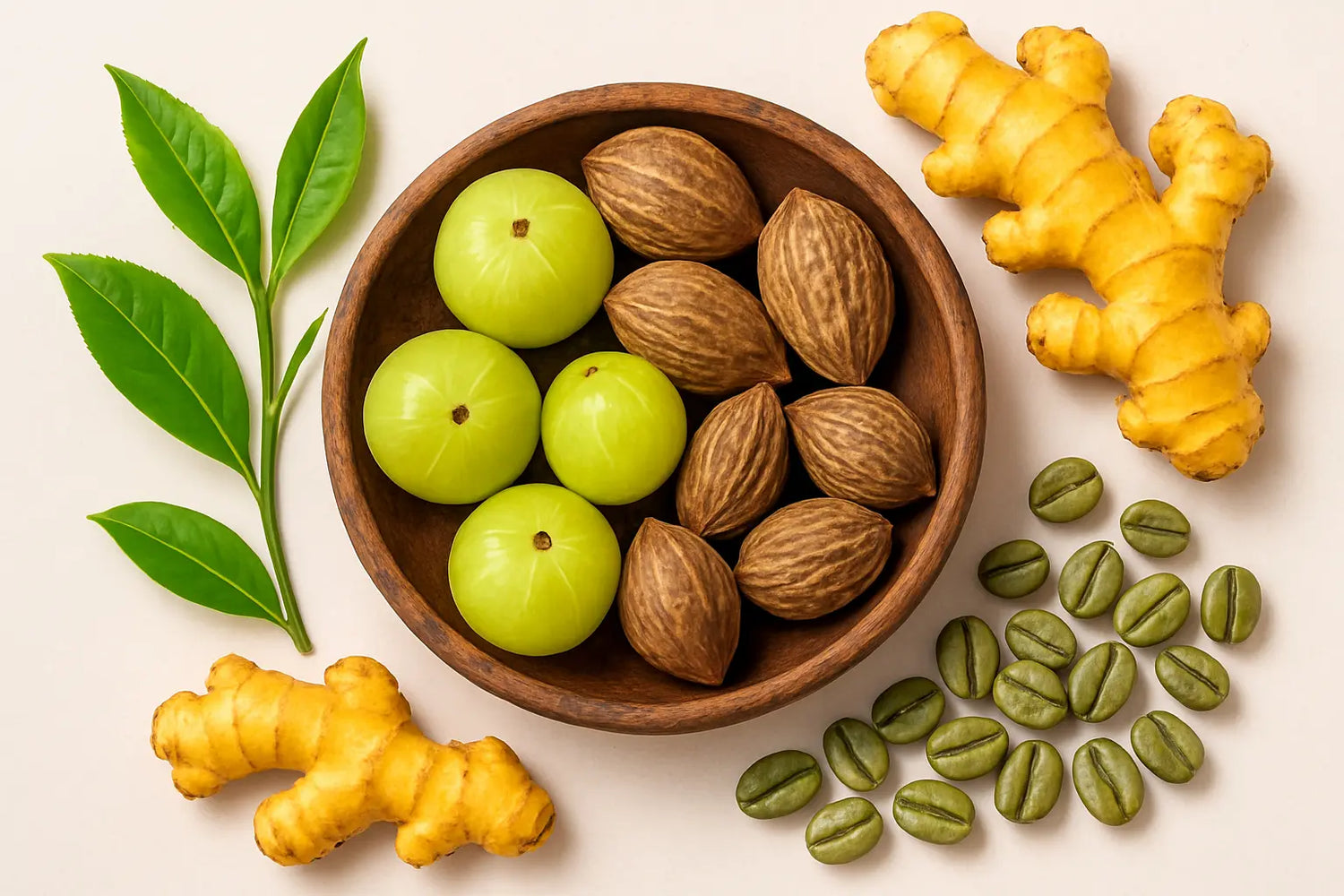
Our Daily All Day Triphala 1:2:3 is based on a traditional formula from Maharishi Vagbhata. It’s a gentle yet effective way to support your gut.
- Amla: Rich in Vitamin C, it’s a powerful antioxidant that supports your immune system and skin health.
- Baheda: Known for its detoxifying properties, it helps cleanse the body and supports respiratory health.
- Harad: A classic digestive aid, it helps relieve constipation and gets your bowels moving regularly.
Together, this trio helps reduce bloating, cleanse the colon, and promote overall bowel health—making it a perfect companion for those who enjoy rich foods.
For Metabolism and Weight Management: Daily All Day Slim Support
A high-carb, high-meat diet can also impact your metabolism and weight. Daily All Day Slim Support is designed to help.
- Apple Cider Vinegar & Garcinia Cambogia: This powerful duo helps suppress appetite and aids in fat burning.
- Green Coffee Beans & Green Tea: Both are known to boost metabolism, helping your body burn calories more efficiently.
- Triphala: Included in this formula for its detoxification and digestive benefits, supporting your weight management journey from the inside out.
Finding Balance: Tips for a Healthy Gut Diet
You don't need to banish Hyderabadi food from your life. The key is balance and moderation. Here are some simple tips to build a healthy diet for gut health:
- Add Fiber: Start your meal with a fresh salad. Include vegetables in your gravies. Choose whole wheat roti over naan.
- Portion Control: Enjoy a smaller portion of biryani and fill the rest of your plate with vegetables or dal.
- Include Probiotics: Have a bowl of curd or a glass of buttermilk (chaas) with your meal. These contain good bacteria that support digestion.
- Hydrate: Drink plenty of water throughout the day to help your digestive system function smoothly.
- Give Your Gut a Break: If you have a heavy meal for lunch, opt for a light, easy-to-digest dinner like khichdi or soup.
For more ideas, explore our guide on the best diet for gut health in India.
Insights from Quora
Here are some common questions and answers from Quora that shed more light on this topic:
-
How does eating a lot of carbohydrates affect your gut microbiome?
Yes, it produces more of the bacteria that enjoys breaking them down. If you are craving carbs all the time it is because of this reason. -
How does meat destroy your stomach's gut bacteria?
To the best of my knowledge, eating meat does not destroy gut bacteria. However, heavy use of antibiotics will. On the other hand, excessive [consumption can shift the balance].
Frequently Asked Questions
- 1. Can I still eat Hyderabadi biryani if I want a healthy gut?
- Absolutely! The key is moderation and balance. Think of it as a treat rather than a daily meal. When you do have it, try to pair it with a side of salad or yogurt to add fiber and probiotics, which aid digestion.
- 2. What are the first signs of an unhealthy gut?
- Common signs include frequent gas, bloating, constipation, diarrhea, and heartburn. You might also experience fatigue, skin irritation, food intolerances, and even mood swings, as the gut and brain are closely connected.
- 3. How can Triphala help after a heavy, rich meal?
- Triphala is a classic Ayurvedic remedy for digestion. It acts as a mild laxative, helping to clear the bowels and relieve feelings of heaviness and bloating. It also helps detoxify the digestive tract, making it a great supplement to take after indulging in rich foods.
- 4. Is a high-meat diet always bad for you?
- Not necessarily. The quality and type of meat matter, as does what you eat with it. A diet high in processed meats is linked to more health risks than one with lean, unprocessed meats. Balancing meat intake with plenty of fiber from vegetables, fruits, and whole grains is crucial for maintaining a healthy gut bacteria diet.
- 5. How long does it take to improve gut health?
- The gut microbiome can start to change within a few days of making dietary changes! However, for long-lasting improvements, consistency is key. Aim for a balanced diet and supportive supplements for at least 6-8 weeks to notice significant benefits in your digestion and overall health.

Finding Your Balance in the City of Nawabs
Enjoying the rich, flavorful cuisine of Hyderabad doesn’t have to mean sacrificing your health. While traditional high-carb, high-meat meals are a delight, understanding their impact is the first step toward finding a sustainable balance. These heavy meals can shift your gut microbiome, favoring bacteria that thrive on sugar and fat, leading to bloating, sluggishness, and poor nutrient absorption. This is why incorporating a healthy gut diet is crucial.
The key isn't to give up your favorite biryani or kebabs forever but to eat them mindfully. Balance them with fiber-rich foods, stay hydrated, and give your digestive system the support it needs. When your gut is happy, it can efficiently absorb essential vitamins and minerals, boosting your energy and overall well-being.
For extra support, consider natural solutions like Daily All Day Triphala 1:2:3. Its traditional Ayurvedic formula helps cleanse the colon, reduce bloating, and restore digestive harmony. If managing weight and metabolism is also a goal, Daily All Day Slim Support combines powerful ingredients to boost metabolism and control cravings. By making small, conscious choices and using trusted Ayurvedic support, you can savour the taste of Hyderabad while keeping your gut health in check.
Citations:
- https://www.newindianexpress.com/nation/2025/Oct/01/high-carb-saturated-fat-leading-to-diabetes-and-obesity-icmr-study
- https://www.thehansindia.com/news/national/high-carb-saturated-fat-low-protein-intake-driving-diabetes-obesity-in-india-icmr-study-1010949
- https://www.hindustantimes.com/india-news/carbheavy-diet-linked-to-rising-diabetes-obesitystudy-101759258525826.html
- https://onlinelibrary.wiley.com/doi/10.1111/j.1753-0407.2009.00050.x
- https://www.nature.com/articles/s41591-025-03949-4
- https://timesofindia.indiatimes.com/life-style/health-fitness/diet/what-is-wrong-with-the-indian-diet-apparently-a-lot-claims-uk-based-cardiologist-dr-aseem-malhotra/articleshow/75742419.cms
- https://pmc.ncbi.nlm.nih.gov/articles/PMC8707693/
- https://www.myprotein.co.in/blog/nutrition/state-of-indian-diets-do-we-have-a-problem/